WIGI HAIR
WIGI HAIR
Bring BEAUTY to your life


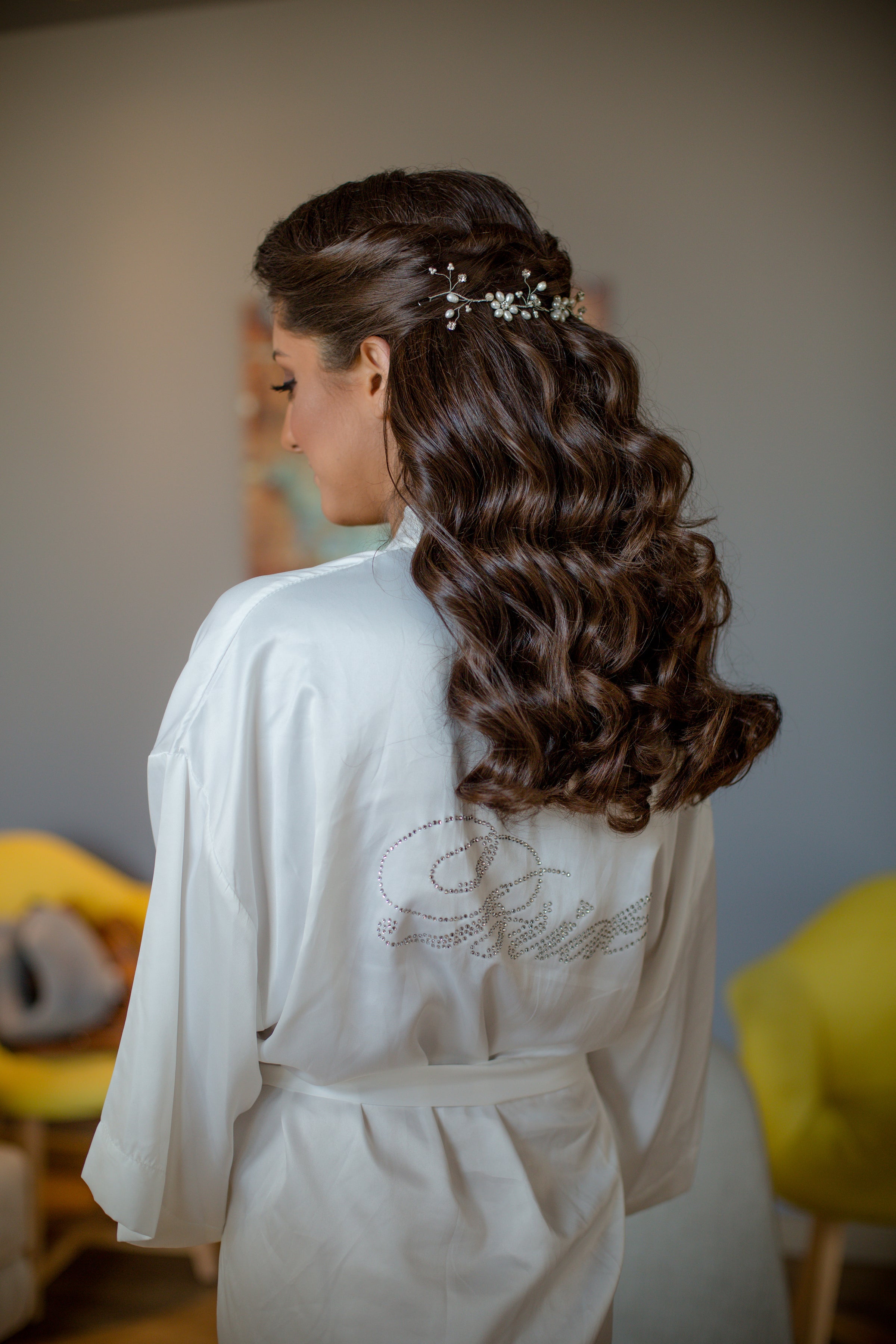

Looking for how to braid in hair extensions the right way? You’re not alone. If this is your first time braiding with extensions, slipping, tangling, or stiff-looking braids are the most common frustrations beginners face. In fact, most braiding mistakes don’t come from technique — they come from choosing the wrong hair extensions from the start.
In this beginner-friendly guide, you’ll learn how to braid hair extensions for beginners, step by step — from selecting the right extensions to braiding them in smoothly without slipping. No salon skills required. Just simple techniques you can follow at home.
Choosing the wrong hair extensions is the fastest way to fail at braiding. Before technique, before tools, before styling—the extension choice determines 70% of your final result. Once you get this part right, the actual braiding process becomes much easier — especially for beginners. Instead of overthinking it, focus on three key factors only: hair type, texture match, and weight.

When it comes to braiding hair extensions, one of the first decisions you’ll make is whether to go with human hair or synthetic hair. Human hair extensions blend seamlessly with your natural hair and move naturally when braided. They’re ideal for visible braids, loose ends, and everyday styles. Synthetic extensions, while less natural in movement, are lightweight, affordable, and great for structured styles like box braids or cornrows.
To help you make an informed decision, let’s break down the key differences between human and synthetic hair extensions in the table below:
|
Human hair extensions |
Synthetic hair extensions |
|
|
Tip: For natural-looking braids, human hair is the way to go. Synthetic extensions can be used, but they may not have the same versatility or comfort for a long-term braided style.
For a deeper comparison and expert insights on choosing between synthetic and human hair, you can explore our full guide: Synthetic vs Human Hair Wigs and Extensions: How to choose, Pros and Cons

Many beginners focus only on color, but texture mismatch is what makes braids look fake.
Straight Hair: Choose sleek, straight extensions for a seamless look.
Wavy Hair: Opt for wavy or body wave extensions to match the natural texture of your hair.
Curly or Coily Hair: If you have natural curls, look for kinky or Afro-textured extensions to blend seamlessly with your hair.
When in doubt, yaki texture extensions are a great match for most hair types, as they replicate the natural, slightly coarse texture of real hair.
Most beginners make this mistake: Choosing extensions that are too smooth, which causes the braid to loosen quickly.
When it comes to braiding, heavier isn’t better. Extensions that are too thick can pull on your scalp and make braiding uncomfortable. Too thin, and your braid may look flat or unfinished.
For beginners, medium-weight extensions offer the best balance between fullness, comfort, and control. If your braid feels heavy or painful early on, that’s a sign you’re using too much hair.
Once you’ve selected your extensions, you need the right tools to ensure a smooth, professional-looking braid. Here’s what you’ll need to successfully braid hair extensions at home:

Rat-Tail Comb: Essential for creating clean, sharp parting lines. Use the pointed end to section hair evenly for neat, balanced braids.
Sectioning Clips: Keep hair separated and organized while braiding, preventing tangling and helping secure sections as you work.
Hair Elastics: Use small, clear elastics to secure braid ends neatly without adding bulk or disrupting the braid shape.
Styling Gel or Leave-In Conditioner: A light gel or cream smooths frizz, improves grip, and helps extensions stay in place. Apply a small amount after braiding to add shine and control flyaways.
Scissors: Useful for trimming stray or uneven ends after braiding to maintain a clean, polished finish.
Now that you’ve selected your extensions and gathered the necessary tools, let’s dive into the step-by-step guide for braiding hair extensions. Follow this process carefully, and you’ll be on your way to flawless braids.

The key to a smooth and lasting braid begins with the preparation. You want to start with hair that’s clean, smooth, and ready for braiding. Here’s how to prep:
Wash and Condition
Start by washing your hair and your hair extensions with a gentle shampoo and conditioning it to restore moisture. This will make your hair more manageable and help prevent tangling while you braid.
If you're not yet familiar with how to properly cleanse your hair extensions, make sure to check out our How to Wash Hair Extensions Properly for Long-Lasting Beauty guide.
Detangle Your Natural Hair
Use a wide-tooth comb to carefully detangle your natural hair. Start from the ends and work your way up to the roots to avoid unnecessary breakage.
Apply Leave-In Conditioner or Styling Gel
If your hair tends to frizz, apply a small amount of leave-in conditioner or light styling gel to improve grip, smooth the hair, and help extensions blend more easily.
Prepare Your Extensions
Make sure extensions are securely attached and tangle-free before braiding. Clip-ins should be ready to install, while tape-ins or sew-ins must be firmly placed and evenly distributed.
Tip: If you’re using extensions with different textures, make sure to comb through them before starting to braid. This ensures they blend seamlessly with your natural hair.

Divide your hair into small, manageable sections. The number of sections depends on how thick you want your braid. Use sectioning clips to keep everything organized and out of the way.
For basic braids, divide your hair into 3 sections. One section for each strand of the braid. You’ll work with these sections as the foundation for your braid.
For fishtail or more intricate braids, or if you're braiding smaller sections, divide your hair into more than 3 sections. The smaller the sections, the finer the braid detail will be.
Once you’ve parted your hair, use sectioning clips to hold each part in place. This keeps your hair organized and ensures that no sections get tangled or out of place during the braiding process.
This step is crucial for getting the extensions to blend smoothly with your natural hair. Depending on the type of extensions you’ve chosen (clip-ins, tape-ins, or sew-ins), here’s how you should proceed:
Start at the nape of your neck and work your way up, clipping in each piece of extension. Make sure the clips are securely fastened close to the scalp.
If you’re using clip-in wefts, overlap the sections slightly to create a seamless blend.
Tape-In or Sew-In Extensions:
Make sure the extensions are securely attached to your natural hair. When braiding, avoid starting from the very root if you're using tape-ins or sew-ins — focus on blending them into the braid.
Hold the extensions at the base or middle of the hair section to ensure they don’t slip out while you braid.
Tip: Before starting, gently pull on the extensions to make sure they’re firmly secured. You don’t want the extensions to shift while you’re braiding.

If you prefer learning visually, watching a step-by-step demonstration can make the braiding process much easier to follow. This video guide, The Ultimate Summer Hairstyle Guide – 24 Braids for Beginners by EverydayHairInspiration, offers clear, beginner-friendly examples that pair perfectly with the steps below.
Now that your extensions are securely in place, start braiding:
Divide Your Hair and Extensions:
Take the section of natural hair you want to braid and divide it into three equal strands. Add the extension hair into one of these strands.
Start Braiding:
Begin by crossing the outer strands of hair over the middle strand, just like you would do with a traditional braid. As you do this, gradually incorporate the extension hair into each of the strands.
For a Regular Braid: Cross the outer strands of hair (including the extensions) over the middle strand, continuing down the length of the hair.
For a French or Dutch Braid: Start braiding from the top of the head and incorporate more hair into each strand as you move downward.
Smooth, Even Tension & Gradual Extension Integration
For great braids, maintain even tension—secure but not tight—to avoid discomfort or hair damage. As you braid, gradually add small pieces of extension hair to blend smoothly with your natural strands, ensuring no lumps or gaps.
Tip: Don’t rush the process. Take your time to ensure the extensions are smoothly integrated into your natural hair. Keep the braid tight enough to hold but loose enough for comfort.
Once you’ve braided all the way down to the end, you’ll need to secure the braid properly to avoid it unraveling. Here’s how:
Use an Elastic Band:
Secure the end of the braid with a small, clear elastic band. This helps to keep the braid in place without making the finish look bulky or out of place.
Seal the Braid:
If you’re using human hair extensions, you can apply a small amount of styling cream or hair oil to smooth any frizz and seal the ends of the braid. This will help the braid last longer and keep it looking polished.
Trim the Ends (If Necessary):
After securing the braid, trim any uneven ends or stray hairs to give your braid a clean, finished look.

Braiding hair extensions close to the scalp (cornrows) requires a different technique than traditional braids. It demands precision, controlled tension, and proper integration of extensions to avoid bulkiness. When done right, cornrows lay flat against the scalp, last longer, and protect natural hair.
A cornrow is not braided downward—it is braided forward along the scalp.
The braid is anchored by the scalp, not by gravity.
Each stitch must capture a clean slice of natural hair.
Extensions must be integrated gradually to avoid bulky roots or scalp discomfort.
If the base is wrong, no amount of braiding skill will fix the result later.
Cornrows begin with architecture, not braiding.
Use a rat-tail comb to create sharp, straight, and intentional parting lines.
Decide the braid direction before starting (straight back, curved, zigzag, or side-swept).
Each section must be consistent in width from start to end. Uneven sections cause:
Lumpy braids
Uneven tension
Premature loosening at the crown
Tip: For beginners, wider cornrows are easier to control. Ultra-thin cornrows require advanced hand coordination and should be avoided at first.
Apply a light braiding gel directly along the part to:
Control flyaways
Improve grip
Make scalp lines visibly cleaner
One of the most common beginner mistakes is adding extensions too early.
Start every cornrow using only natural hair for the first 2–3 stitches.
Why this matters:
It anchors the braid firmly to the scalp
Prevents extension slippage
Reduces tension and pulling at the hairline
Use your fingers to divide the section into three strands and begin braiding tightly—but never painfully—keeping your hands low and close to the scalp.
This is where cornrows with extensions succeed or fail.
Instead of adding one large bundle, professionals use the feed-in method:
Separate the extension hair into small, even pieces before starting
As you braid forward, gently insert a thin piece of extension hair into one strand at a time
Continue feeding gradually as the braid progresses along the scalp
This technique:
Keeps the braid flat
Creates a natural-looking root
Prevents bulky, raised cornrows
Reduces scalp stress
Pre-stretched synthetic hair or yaki-textured human hair offers better grip and control, especially for beginners. Overly smooth extensions cause slipping and uneven tension.
Cornrows must be secure, not aggressive.
Firm tension at the base
Even pressure with every stitch
Relaxed hands (death-gripping leads to pain and breakage)
If the client—or yourself—feels burning, tightness, or soreness during braiding, stop and adjust immediately. Healthy cornrows should feel snug, not painful.
Professional rule: A braid that hurts on day one will damage hair by week two.
Once you reach the end of the scalp:
Stop feeding extension hair
Continue braiding downward normally
Keep strand distribution even to avoid thinning ends
Secure with an elastic or seal depending on extension type.
Apply a small amount of lightweight oil along the braid for shine and scalp comfort—never heavy grease, which attracts buildup.
Cornrows with extensions are ideal when:
You want a long-lasting protective style
You plan to install wigs, crochet braids, or sew-ins
You need a neat, low-maintenance hairstyle
You want to minimize daily manipulation and breakage
When executed correctly, cornrows are not just a hairstyle—they are a technical base that elevates every style built on top of it.

If you’re new to braiding close to the scalp, a visual guide can be very helpful. You can refer to the YouTube video “Easy and Quick Braid For Natural Hair + Extension Simple Guide | Learner? No problem!” by nkemjeffrey to see how cornrows are sectioned, started, and braided with extensions step by step.
Q1. Can I braid in extensions if I have short hair?
Yes, it’s absolutely possible! For shorter hair, it’s important to use smaller extensions and secure the roots carefully. You can also use bobby pins to tuck away any shorter pieces.
Q2. How do I prevent my hair extensions from slipping during braiding?
Ensure that the extensions are securely blended with your natural hair. If you’re using clip-ins or sew-ins, ensure the clips or threads are firmly placed at the root, and start braiding lower to avoid slippage.
Q3. How long do braided extensions last?
Braided extensions can last anywhere from 2 to 4 weeks depending on your hair care routine. Be sure to keep your braids clean, moisturized, and avoid too much manipulation to extend the lifespan of your style.
Read more: Can You Dye Synthetic Hair Extensions? Tips for Coloring and Care
Learning how to braid in hair extensions is a valuable skill that can transform your hairstyle and give you endless styling options. By choosing the right extensions, preparing properly, and following the right technique, you can achieve stunning, professional-looking braids—without stepping foot in a salon.
Remember, practice makes perfect. Start with simple braids, and gradually try more complex styles as you become more comfortable with the process. Keep experimenting, and soon you’ll be braiding like a pro!

If you’re ready to take your braiding game to the next level, explore WIGI Hair ’s premium collection of ready-to-wear human hair extensions today and make braiding easier, smoother, and more natural — even on your first try.


Leave a comment