WIGI HAIR
WIGI HAIR
Bring BEAUTY to your life


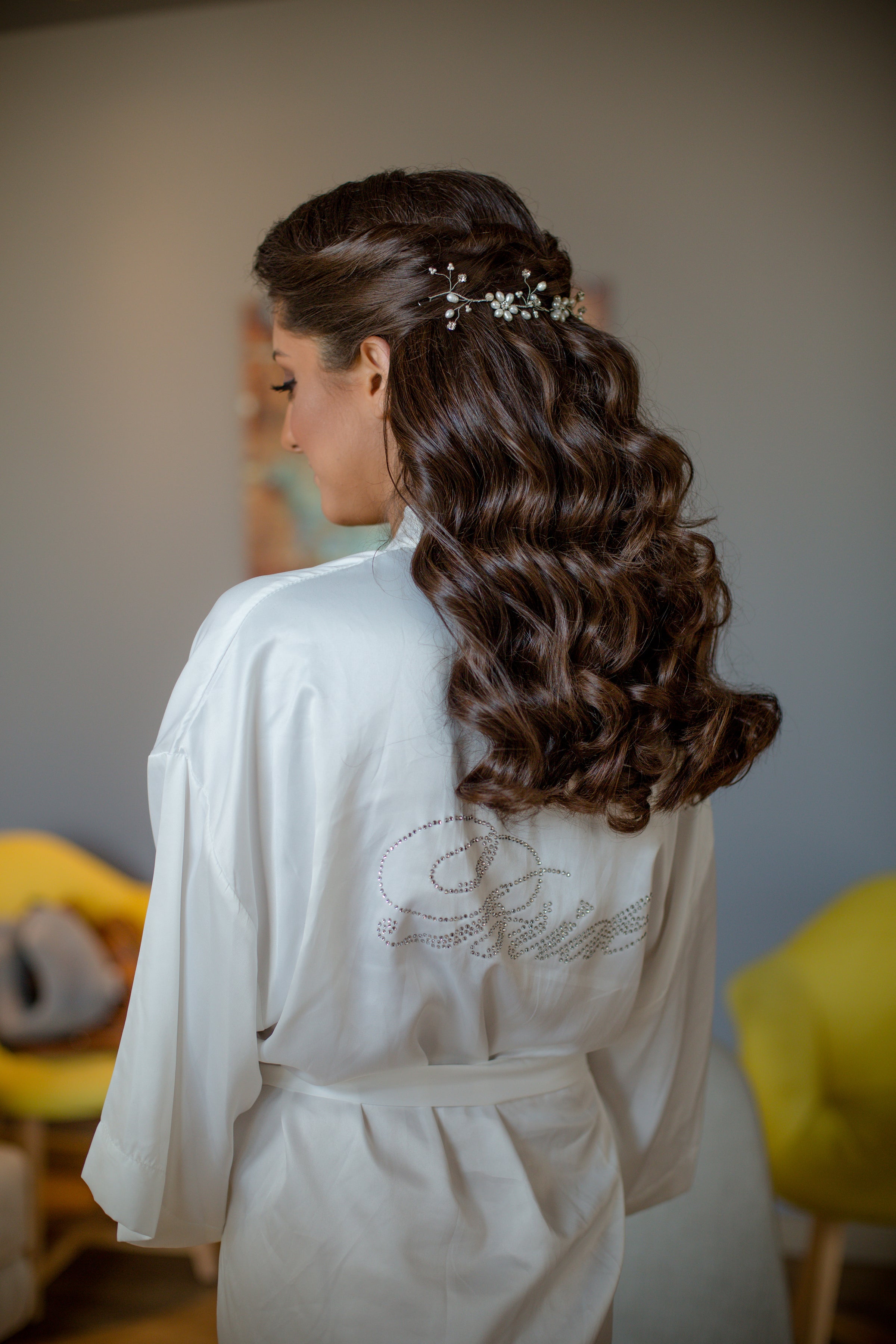

How long does 20 inch hair actually look in real life? On most people, 20 inches of hair falls around the mid-back, creating a noticeably long yet natural look. However, texture changes everything – 20 inch straight hair shows the full length, while 20 inch curly hair often appears shorter because curls add volume and shrink. This guide breaks down the real 20 inch hair length, how curly and straight styles differ, and what to expect from 20 inch hair extensions before and after.

When people see “20 inch hair” on a product page or hair length chart, the number alone doesn’t say much. What most people really want to know is simple: How far does it actually fall on your back?
In real life, 20 inches of hair is considered long. On most people, it reaches around the middle of the back, sitting comfortably between shoulder-blade length and waist-length hair. It’s long enough to create that flowing, “Instagram hair” look, but still practical for everyday styling.
In standard measurement:
20 inches = approximately 50.8 cm
Hair manufacturers and salons almost always use inches rather than centimeters, following the U.S. measurement system. They’re referring to the full length of the hair strand measured from the root to the tip.
This measurement is taken while the hair is completely straight. If the hair has waves or curls, it is stretched during measurement to determine its official length. That’s why 20 inch curly hair may visually appear shorter once styled naturally.
The exact placement of 20 inch long hair depends on a person’s height, but on an average adult it usually lands around mid-back.
Here’s a practical way to picture it:
On someone around 5'4"–5'6", the ends sit roughly at the middle of the back
On shorter people, the same length may reach closer to the lower back
On taller individuals, it may appear slightly higher, closer to the shoulder blade area

Seen from behind, 20 inch hair creates a classic long-hair silhouette. The ends typically fall well below the shoulder blades, giving the hair noticeable movement when styled in waves, curls, or braids.
Typical visual characteristics include:
Ends resting between shoulder blades and waist
Enough length for large curls or waves
Ideal length for braids or half-up styles
Another factor that changes the final look is hair density. Thick bundles or high-density extensions will make 20 inches hair look fuller and more dramatic, while finer hair may appear slightly longer but lighter at the ends.
This balance between length and manageability is why 20 inch extensions remain one of the most requested lengths in salons.

Hair length numbers only start to make sense when you place them next to each other. In the length charts, the most commonly chosen lengths sit between 16 and 24 inches, with 20 inch hair right in the middle of the “long hair” category.
It’s long enough to create a noticeable transformation, but still practical for daily wear—one reason why 20 inch hair extensions are one of the most widely chosen lengths.
Many people hesitate between 16, 18, and 20 inch hair because the numbers seem close, yet the final look can feel quite different. These three lengths are often compared together since they represent the most common steps when transitioning from medium-length hair to truly long hair.
16 inch hair: Typically falls around the top of the shoulder blades. It’s considered medium-long hair and works well for layered cuts or natural-looking volume extensions.
18 inch hair: Drops slightly lower, usually landing just below the shoulder blades. This length begins to create a longer silhouette but still feels subtle and easy to maintain.
20 inch hair: Reaches the mid-back area, giving hair a clearly long appearance. At this point, styles like waves, loose curls, or braids start to look fuller and more dramatic.
The step from 18 to 20 inches hair may sound small, but visually it often makes the biggest difference. Those extra inches allow the hair to move past the shoulder blades and fall more freely down the back.

Beyond 20 inches, hair starts moving into extra-long territory. Among longer options, 22, 24, and 26 inch hair are the most commonly compared because they represent the typical steps people choose when they want hair that reaches the lower back or waist.
22 inch hair: Extends toward the lower back, creating a noticeably longer, more glamorous look.
24 inch hair: Often reaches waist level, which is considered dramatic length in most hairstyles.
26 inch hair: Usually falls around the waist or slightly below, creating an extra-long look that stands out immediately, especially in waves, curls, or long braids.
While longer extensions can look striking, they also require more care. Hair that reaches the lower back tangles more easily and usually needs more frequent conditioning and gentle detangling to stay smooth.
For this reason, many first-time buyers choose 20 inch hair extensions as a starting point—it delivers visible length without the extra maintenance of ultra-long hair.
20 inch hair length is often chosen by people who want their hair to look clearly long without going to extreme lengths. It strikes a balance between noticeable length and everyday wearability, which is why it’s one of the most popular options when people start exploring longer hairstyles.
This length tends to work especially well for:
People with shoulder-length natural hair, since the transition to 20 inches creates visible length while still blending naturally.
Anyone who wants long, layered hairstyles, as mid-back length gives enough room for soft layers, waves, or loose curls to show dimension.
First-time users of 20 inch hair extensions, because the result feels dramatic enough to notice but not overwhelming to maintain.
If the natural hair is very short—such as a chin-length bob – starting with 18 inch extensions can sometimes create a smoother blend. Moving straight to 20 inches may require more layering to avoid a visible difference between natural hair and the added length.
Further reading: How to Know What Hair Length Suits You – Expert Tips for Every Face Shape

One of the biggest surprises for people buying 20 inch hair is that the same length can look completely different depending on the texture. Although a bundle may be labeled 20 inches, texture can change how long it appears.
Straight hair usually shows the full length and falls around mid-back. Curly hair, however, often looks shorter because curls create natural shrinkage. Depending on the curl pattern, 20 inch curly hair may visually appear closer to 16–18 inches.
In practical terms:
20 inch straight hair usually shows nearly the full length and falls around mid-back.
20 inch curly hair may appear closer to 16–18 inches depending on the curl pattern.
The tighter the curl, the more noticeable the shrinkage becomes. For this reason, many experienced buyers choose slightly longer curly extensions if they want the final result to reach the same mid-back length as straight hair.
Before choosing 20 inch hair, it’s important to think about how this length will look with your own hair and proportions. The same length can appear slightly different depending on several personal factors.
Your natural hair length: If your natural hair is around shoulder length, 20-inch extensions may be noticeably longer (often reaching mid-back). You may need layering or trimming for a more natural blend.
Your hair texture: 20 inch straight hair typically shows the full length and falls around mid-back, while 20 inch curly hair may look shorter due to natural curl shrinkage.
Your height and body proportions: On most people, 20 inches falls around the mid-back, but on shorter individuals it may reach closer to the lower back.
Your desired volume: If you want fuller styles like a 20 inch hair weave or thick waves, make sure the hair density or number of bundles is enough so the ends don’t look thin.
That wraps up our guide to understanding how 20 inch hair looks in real life. As you’ve seen, the final appearance can vary depending on factors like texture, height, and hair density – which is why the same length may look slightly different from person to person.
We hope this guide has helped you better visualize what 20 inches of hair actually means before choosing extensions. If you’re considering longer styles, you can explore WIGI Hair’s collection of 100% human hair extensions, carefully designed to create a natural mid-back length with balanced density and soft movement. Whether you prefer sleek straight hair or fuller waves and curls, the right 20 inch extensions can add noticeable length while still blending comfortably with everyday wear.


Leave a comment