WIGI HAIR
WIGI HAIR
Bring BEAUTY to your life


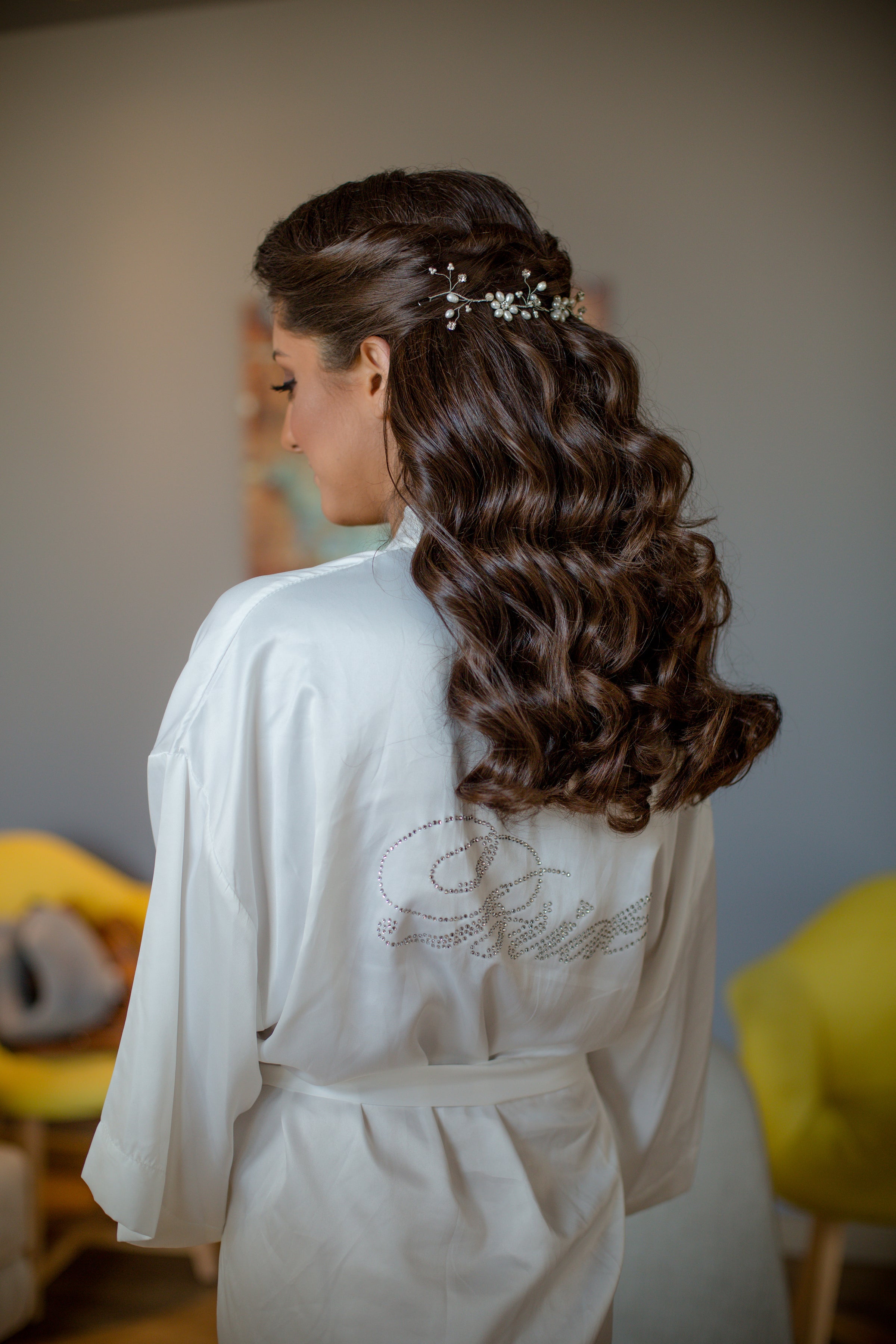

Many wig wearers wonder whether standard heat protectants are necessary for synthetic or heat-friendly fibers, or if they simply cause buildup. In reality, using hot tools without proper protection often leads to frizz, stiffness, and a shortened wig lifespan. To clear up this confusion, this guide from WIGI Hair shows you how to choose the right formulas, shield your pieces safely, and restore a smooth texture without heavy residue.
When styling alternative hair pieces, one of the most common questions is whether applying a thermal shield is genuinely necessary or just an unnecessary extra step. The short answer depends entirely on the fiber type and how you style your pieces.

Human hair wigs react to thermal tools much like biological growing hair, meaning high temperatures strip away moisture, weaken the cuticle, and cause breakage over time.
Heat-friendly synthetic fibers, on the other hand, are engineered to withstand higher temperatures than standard synthetics, but they lack natural cellular repair mechanisms.
Once thermal damage occurs on synthetic strands, the polymer fibers melt microscopically, resulting in permanent stiffness and distortion. A proper protectant creates an invisible thermal barrier that distributes heat evenly across the surface rather than allowing direct, intense contact to scorch individual fibers.
Comparison: Standard Hair Protectants vs. Wig-Specific Sprays
|
Feature / Aspect |
Standard Hair Products (Drugstore) |
Wig-Specific Sprays |
|
Formula & Ingredients |
Heavy oils, waxes, and dense silicones designed to penetrate biological roots. |
Lightweight polymers engineered for artificial or treated hair fibers. |
|
Interaction with Sebum |
Assumes natural sebum production from a living scalp. |
Tailored for alternative hair that lacks natural scalp oils and moisture renewal. |
|
Residue & Build-up |
Sits heavily on the surface, trapping dust, dirt, and styling residue. |
Forms an even, ultra-fine thermal barrier without a sticky or heavy film. |
|
Impact on Lifespan |
Weighs down cap construction and makes fibers stiff or dull over time. |
Preserves natural movement, keeps fibers soft, and protects against heat damage safely. |
Using incorrect styling products on artificial or alternative hair often leads to frustration, making the piece look greasy, limp, or matted within hours of wear. Because of this, before making a choice, you need to look closely at product ingredients and their roles to ensure they match the specific needs of alternative fibers.

Traditional thermal sprays for natural hair contain heavy conditioning agents that synthetic fibers cannot process. Conventional formulas typically rely on heavy oils – such as mineral oil, petrolatum, and coconut oil—along with drying alcohols like isopropyl alcohol. These harsh alcohols dry out and crack artificial strands over time, while heavy oils coat alternative hair in a thick, unbreathable film that traps dirt and resists standard washing.
Because synthetic hair lacks natural absorbency, excess product builds up quickly on the surface, ruining its movement and causing tangles. When choosing a heat protectant for wigs, prioritize lightweight, water-based formulas and look for products containing light, volatile silicones like cyclopentasiloxane.
Always check labels to ensure the formula is entirely free from heavy mineral oils, heavy waxes, and high concentrations of drying alcohols.
Managing friction is just as important as managing thermal heat, especially for longer alternative hair styles that constantly rub against clothing. This is where specialized silicone sprays play an essential role.
Instead of absorbing into the fiber, a lightweight silicone spray coats the outer layer of the hair shaft, drastically reducing surface friction. This smooth coating allows strands to glide past one another effortlessly, preventing the mechanical friction that causes frizzy ends and stubborn tangles during daily wear.
While synthetic fibers demand strictly low temperatures and lightweight water-based barriers, human hair wigs require a slightly different approach. Because human hair features an intact cuticle structure, it can absorb moisture and tolerate higher heat levels (up to 350°F / 175°C).
However, because human hair alternative pieces no longer receive natural sebum from a living scalp, they are exceptionally vulnerable to thermal dehydration. Always pair a human hair thermal spray with a lightweight, hydrating leave-in conditioner to lock in moisture before introducing any heat tool.
Further reading: Do Wigs Cause Hair Loss? Truth About Wearing Wigs
Applying styling tools to alternative hair requires a completely different approach than styling natural biological hair.
Mastering the expert thermal techniques shared by WIGI Hair ensures your favorite pieces maintain their intended style and elasticity for months to come.

Temperature control is the single most critical factor when using hot tools on alternative pieces. Standard synthetic wigs melt instantly under high heat and should never be exposed to flat irons or curling wands unless explicitly labeled as heat-resistant or heat-friendly.
Even for heat-friendly synthetic fibers, temperature dials must be kept low, ideally between 260°F and 300°F (120°C to 150°C). To maintain this precision, always use digital styling tools (such as flat irons from trusted brands like BaBylissPRO or CHI) that allow you to lock in an exact low temperature, avoiding the unpredictable "hot spots" common in cheap, non-regulated irons.
Human hair wigs can tolerate higher temperatures up to 350°F (175°C), but maintaining lower settings preserves the moisture and structural integrity of the hair much longer.

Proper preparation prevents accidental scorching and ensures an even, professional finish.
Secure your alternative hair piece firmly to a canvas block head or wig stand to ensure stable control during styling.
Lightly mist the dry hair sections with a specialized wig protectant or a lightweight thermal spray, holding the bottle about 8 to 10 inches away to ensure an even, fine mist rather than wet spots.
Gently comb through the sprayed sections using a wide-tooth comb or a specialized loop brush to distribute the product evenly from mid-lengths to ends.
Allow the product to air-dry completely for a few minutes before introducing any hot styling tool; applying hot metal to damp fibers causes thermal shock and immediate frying.
Set your styling tool to the lowest effective temperature and work in small, manageable subsections rather than large, thick chunks of hair.
Even with careful handling, alternative hair pieces – especially longer lengths – eventually develop friction damage and dry, frayed ends from daily wear.
Reviving these tired strands requires targeted techniques that smooth the fiber structure without altering the original style.

When the ends of your piece start looking coarse or crinkled, it usually indicates a loss of the protective outer coating due to friction or minor heat exposure. To bring them back to life, wash the piece using a specialized synthetic-safe shampoo and conditioner.
While the hair is damp, apply a specialized detangling or silicone conditioning spray specifically focused on the ends. Gently work the product through using a wide-tooth comb, starting from the very bottom tips and slowly working your way up to the base to avoid pulling or stretching the fibers.
For minor frizz and stubborn flyaways between washes, aggressive re-washing is unnecessary. Instead, lightly mist a small amount of lightweight silicone spray onto your palms, rub your hands together, and gently smooth them down the length of the hair.
If dealing with heat-friendly fibers that have minor kinks at the ends, set a flat iron to its lowest heat setting (around 250°F), pass it over the misted section once quickly, and immediately smooth the warm fiber downward with your hand until cool.
No. Standard drugstore formulas contain heavy oils, waxes, and alcohols that cause severe buildup, making synthetic fibers sticky and dull. Always choose a lightweight, wig-specific thermal spray.
Check the manufacturer tag or product description. Heat-friendly fibers typically tolerate up to 300°F–350°F. If not specified, assume it is standard synthetic and avoid all hot tools to prevent melting.
Only apply a light mist when using hot styling tools like a flat iron or curling wand. Skip the spray during routine wear or washing to prevent unnecessary product buildup.
Friction from clothing shoulders and collars wears down the protective outer fiber layer over time. Using a lightweight, silicone-based detangling spray helps minimize this friction and keeps ends smooth.
Also worth exploring: How Long Do Human Hair Wigs Last? Lifespan & Durability Guide
Final Thoughts
Protecting your alternative hair from heat damage comes down to a few straightforward habits: choosing lightweight, specialized formulas instead of heavy traditional products, keeping your styling tools at safe temperatures, and preparing the fibers properly before styling. By making these small adjustments part of your routine, your pieces will stay soft, natural-looking, and fresh for a long time to come.
Explore the WIGI Hair 100% human hair wigs collection now to find your perfect match and experience seamless, premium quality.


Leave a comment