WIGI HAIR
WIGI HAIR
Bring BEAUTY to your life


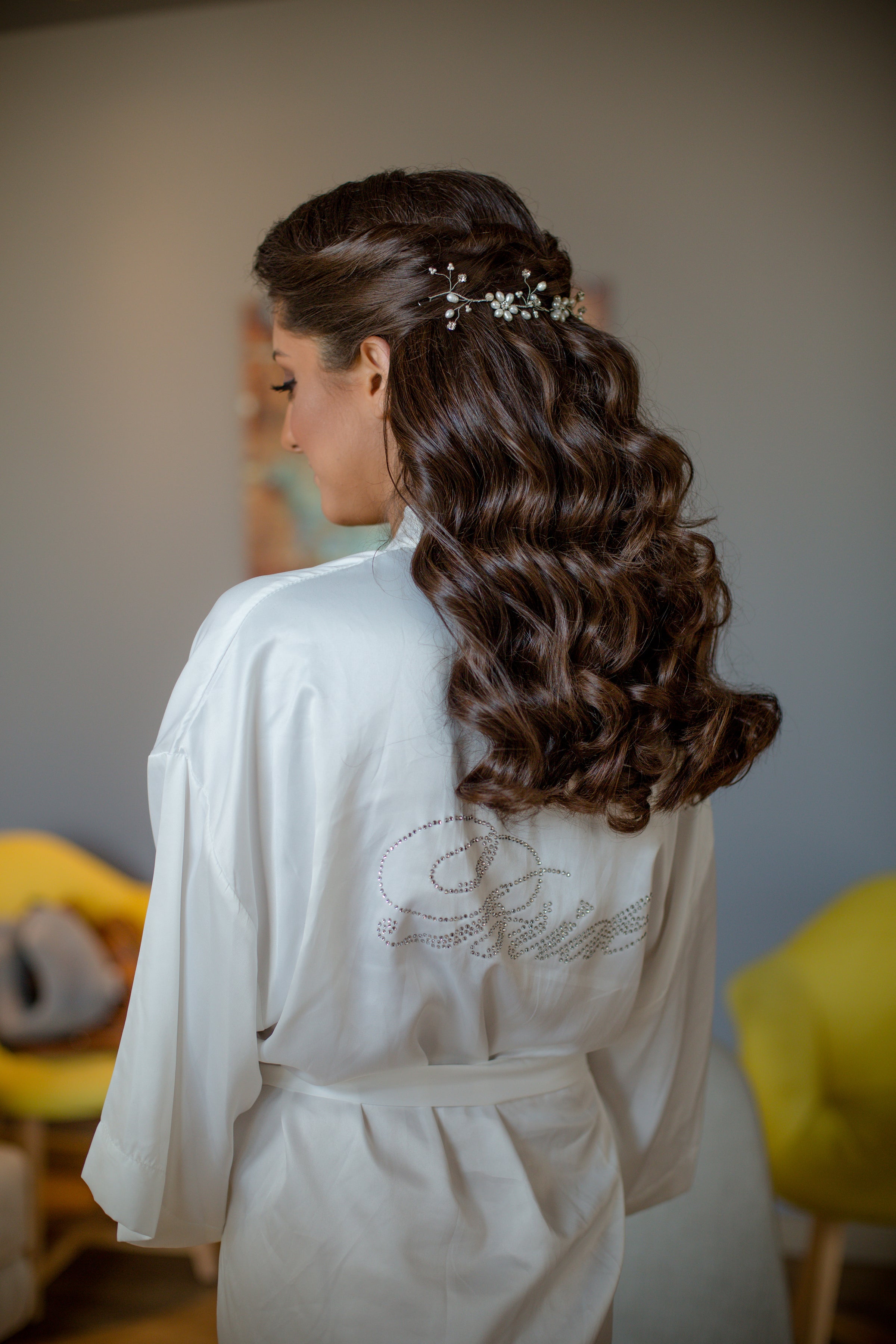

Investing in a human hair wig is a significant commitment, and knowing how long your piece will realistically last is essential before making a purchase. Unlike synthetic alternatives, premium human hair units offer a natural look and exceptional versatility, but their longevity depends heavily on construction quality and daily care routines.
In this guide, WIGI Hair will break down how long human hair and hand-tied wigs last, examine the key factors that influence their durability, and outline the clear signs that indicate it is time to replace your wig.

Standard machine-made wigs and hybrid wigs – which mix machine-sewing with a hand-tied part or crown – usually last between 6 to 12 months with regular wear.
Machine-Made Caps: Built with hair sewn onto fabric tracks by machine, these caps offer strong durability and high hair density. However, daily friction against clothing can cause the tracks to loosen over time.
Hybrid Caps: Combining machine-sewed tracks at the back with a hand-tied top for a natural part, these offer a great balance of volume and realistic movement, comfortably lasting up to a full year.
Hand-tied wigs offer unmatched quality through meticulous craftsmanship, with every single hair tied individually by hand onto a soft, breathable mesh base.
Expected Lifespan: A high-quality, fully hand-tied human hair wig usually lasts between 1 to 2 years (and sometimes longer if you take very good care of it).
The Trade-Off: Because there are no heavy tracks, hand-tied caps are very light, breathable, and let you part the hair anywhere. However, this premium comfort and natural look come with a higher price tag. Additionally, the tiny knots holding the hair to the base are delicate. Rough brushing or pulling can break these knots and cause the hair to fall out faster.
Beyond looking at the fixed timeframe of human hair wigs, we can also explore the key factors that influence their durability so you can actively protect and extend your piece's lifespan.
Among all variables, the quality of the hair is the absolute most important factor because it dictates the foundation of strength, texture, and resilience.

Vietnamese & Remy Hair: Premium wigs crafted from high-grade human hair – such as ethically sourced Vietnamese hair, known for its natural strength, density, and thickness – alongside top-tier Remy hair, feature cuticles aligned in the exact same direction. This keeps the outer layer smooth and intact, allowing the wig to resist tangling, retain its natural luster, and last for years.
Lower-Quality Hair: Cheaper alternatives rely on heavily processed hair, where harsh chemical baths strip the cuticles and a temporary silicone coating is applied just to mimic initial softness. Once washed a few times, this coating washes away completely, leaving the hair dry, prone to severe tangling, and worn out in just a matter of months.
Further reading: Where Do Wigs Come From? The Ultimate Guide to Wig Origins
Choosing the right cap construction is just as critical, as each method determines both your daily comfort and how well the wig withstands the test of time.

Lace Caps: Featuring an ultra-thin, sheer lace front or full base, these create an impossibly realistic, seamless hairline. However, the trade-off is fragility; pulling too hard on the delicate lace edges when putting it on and taking it off can easily cause tears.
Monofilament Caps: Engineered with a durable yet breathable sheer mesh where hairs are individually tied, these caps offer exceptional structural resilience, holding up far better to daily wear and frequent styling changes like parting your hair in different directions.

How often you wear and style your wig dictates its daily wear-and-tear cycle, acting as one of the most significant accelerators of aging for human hair.
Continuous Daily Wear vs. Rotating: Wearing the exact same piece day in and day out constantly exposes the strands to harsh environmental stressors, UV sunlight, scalp oils, friction against clothing, and sweat. Rotating between two different wigs gives the hair fibers time to rest and significantly extends the lifespan of both pieces.
Heat Styling and Mechanical Stress: Human hair wigs cannot draw natural moisture from the scalp, making them highly vulnerable to thermal damage. Applying flat irons, curling irons, or blow dryers frequently – especially without a dedicated heat protectant spray – strips the internal moisture barrier, leading to permanent brittleness, split ends, and irreversible fiber breakage.

Now that you understand the expected lifespan and the key factors that influence durability, knowing how to spot the right time for a new wig is crucial to ensure you always look your absolute best and avoid struggling with a piece that has passed its prime.
Noticeable Hair Thinning and Shedding: While minor shedding is normal over time, structural loss is a clear warning sign. A thinning crown – where bald spots or the cap material start showing visibly through the top – means the hair density has depleted significantly. Similarly, if your hand-tied cap is releasing clumps of hair directly from the base, the individual knots have broken down.
Loss of Moisture and Chronic Tangling: Because human hair wigs lack a living scalp to supply natural oils, months of washing, styling, and environmental exposure eventually deplete their vitality. If the ends feel like coarse straw, refuse to absorb conditioning treatments, and tangle up just minutes after brushing, the cuticle layer has been entirely eroded beyond repair.
Base Deterioration and Lace Wear: Sometimes the hair fibers still look decent, but the foundation itself gives out. Frayed, ripping, or over-stretched front lace that refuses to lay flat against your skin ruins the seamless illusion. Furthermore, long-term accumulation of sweat, scalp oils, and styling product buildup can cause the cap material to become stiff, brittle, and uncomfortably rigid.
Taking care of a human hair wig is completely different from caring for your natural growing hair. Because the strands no longer receive natural oils from a scalp, treating your piece with the same gentle care you would give to fine silk is essential for maximizing its lifespan.
Wigs do not need daily washing; cleansing every 10 to 15 wears, or when product buildup feels heavy, is the golden rule.

Pre-Wash Detangling: Always gently brush your wig from the ends up to the roots with a wide-tooth comb before water touches the hair. Never brush a wet human hair wig, as strands are in their most fragile and elastic state when saturated.
Cool-Water Cleansing: Fill a basin with cool or lukewarm water and mix in a sulfate-free shampoo. Gently press the suds through the hair, avoiding any rubbing, twisting, or vigorous scrubbing that can rough up the cuticles.
Targeted Conditioning: Smooth a lightweight, moisturizing conditioner from the mid-lengths down to the ends. Keep all heavy conditioning products completely away from the cap base to prevent the delicate knots from loosening. Rinse thoroughly with cool water.
Natural Air-Drying: Gently press out excess water using a microfiber towel – never wring or twist the hair. Place the piece securely on a wig stand and let it air-dry naturally away from direct sunlight.

How you style, handle, and store your wig when it rests off your head plays an equally vital role in its durability.
Thermal Protection: Always mist a lightweight heat protectant spray evenly through the hair before using flat irons or curling wands, and keep styling tools at a low or moderate temperature to prevent heat damage.
Mindful Daily Storage: When not being worn, rest your wig on a dedicated stand or tuck it into a breathable silk or satin bag to protect the fibers from dust and direct sunlight.
Travel Protection: If you are packing your piece for a trip, turn the cap inside out, insert a soft tissue or mesh guard inside to preserve its shape, and pack it in a dedicated satin pouch to eliminate friction during transit.
Question 1: How long does a wig last with glue?
When installed with glue, a human hair wig itself can still last its normal lifespan (6–12 months or 1–2 years), but the adhesive application typically holds strong for 1 to 3 weeks before requiring a thorough removal, cleaning, and reapplication.
Question 2: How long does a human hair wig last with daily wear?
With continuous daily wear (12 to 14 hours a day), a standard human hair wig usually lasts 6 to 9 months, while a premium hand-tied version can endure for 1 year if properly rotated and maintained.
Question 3: How often should I replace my human hair wig?
You should replace your wig every 6 to 12 months (for machine-made or hybrid pieces) or every 1 to 2 years (for hand-tied pieces) once you notice thinning density, unmanageable dryness at the ends, or base deterioration.
Question 4: What are the disadvantages of human hair wigs?
The main drawbacks are their higher price point, the need for regular, high-maintenance styling and conditioning, and their sensitivity to environmental factors like humidity, UV fading, and daily friction.
Question 5: How long can you wear a lace front wig without taking it off?
It is recommended to take off your lace front wig every night (or at least every few days) to let your scalp breathe, prevent bacteria buildup, and avoid straining the delicate lace and hair knots.
Also worth exploring: How to Choose a Wig: Tips for Face Shape, Size, and First-Time Buyers
That is all the essential information you need to answer the question: how long do human hair wigs last? Hopefully, this guide helps you evaluate cap structures, hair qualities, and daily maintenance habits to protect your investment and maximize your piece's lifespan.
If you need help choosing the perfect wig or want to explore premium options, the team at WIGI Hair is always here to assist. We supply premium Vietnamese human hair wigs crafted for exceptional longevity, natural luster, and seamless comfort. Thick from root to tip and ethically collected, our pieces ensure your transformation looks entirely your own. Contact WIGI Hair today to discover our exclusive collection of 100% premium Vietnamese human hair wigs.


Leave a comment