WIGI HAIR
WIGI HAIR
Bring BEAUTY to your life


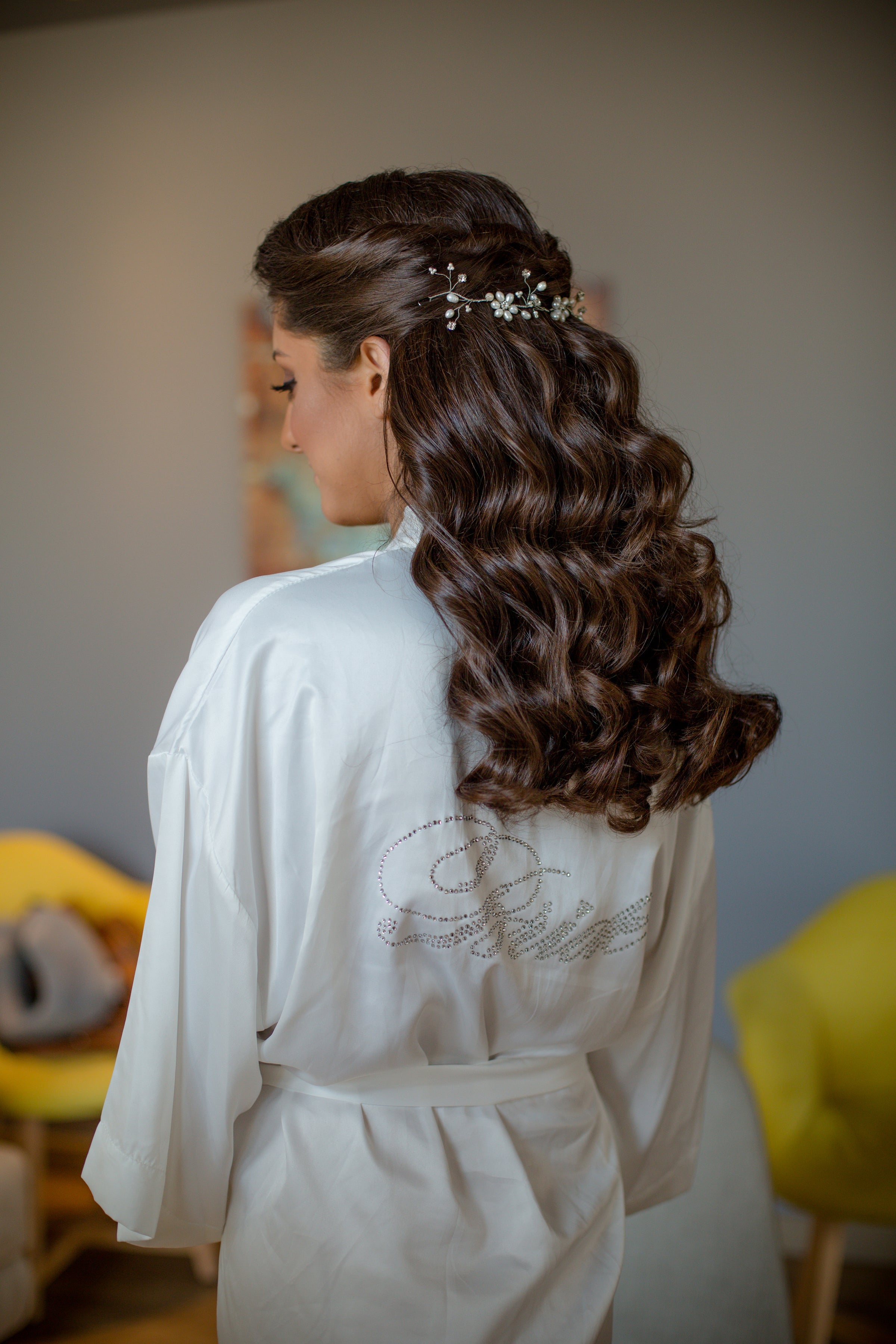

Adding length or fullness only works if the added strands blend seamlessly with your own. While synthetic pieces serve as a temporary fix, hair extensions with real hair remain the practical standard for natural movement, heat-styling versatility, and multi-year durability.
However, quality varies widely among real human hair extensions depending on hair origin and cuticle alignment. This guide explains what makes realistic hair extensions blend naturally, compares four popular attachment methods, and outlines key factors to check before buying.
About This Guide: Written by the WIGI Hair team to share practical, transparent knowledge about real human hair extensions. We value feedback from our readers and customers. If you have questions or suggestions for topics you would like us to cover next, please reach out to us at wigihair.com.

Unlike synthetic fibers which are extruded from heat-sensitive plastics, real hair extensions are crafted from human hair strands that share the same protein structure (keratin) as the hair growing from your scalp. This structural match provides measurable advantages:
Undetectable blend in different lighting: Synthetic fibers have a uniform, flat surface that creates an obvious shine under sunlight or camera flash. Real human hair has natural microscopic scales (cuticles) that scatter light unevenly, allowing the extensions to match the natural luster and movement of your own hair both indoors and outdoors.
Safe heat-styling up to 180°C-200°C (350°F-390°F): With real human hair extensions, you can use standard curling wands, flat irons, and blow dryers to match your natural wave pattern. Most synthetic fibers cannot handle this heat without melting or losing their shape permanently.
Custom coloring and toning capability: Because human hair absorbs hair dye just like biological hair, a colorist can tone down brassiness, add subtle lowlights, or darken the extensions to match seasonal changes in your hair color. (Note: Darker shades can be deposited easily, while lightening works best on unprocessed, raw hair.)
Lower cost per wear over time: Regular synthetic extensions typically tangle and frizz at the nape within 1 to 3 months of frequent wear due to friction against clothing. Properly maintained real human hair extensions, especially single-donor Vietnamese hair, can last 1 to 3+ years, meaning you do not have to repurchase new sets every few months.
Comfortable, breathable wear: Real hair strands are lighter and respond naturally to ambient humidity, avoiding the stiff, heavy feel common in dense synthetic wefts during all-day wear.
To take a closer look at the raw materials behind both options, read our complete guide on Where Do Hair Extensions Come From? Real vs. Synthetic Sources
Buying a package labeled "100% human hair" does not automatically guarantee a seamless blend. Three technical factors separate high-performing extensions from lower-grade alternatives:

Each human hair strand is covered in microscopic overlapping scales called cuticles. When hair is collected from a single donor with all cuticles facing the same direction from root to tip, the strands lie smooth and resist tangling. Conversely, hair swept from multiple sources often undergoes an acid bath to strip away misaligned cuticles, leaving the hair dry once temporary silicone coatings wash off.
To understand how origin affects strand durability, read our detailed comparison on 100% Vietnamese Human Hair Wigs: Why Origin Matters and How It Compares.
Natural hair grows at different rates, meaning a raw bundle contains both long and short strands. It is thick at the top and tapered at the ends (single-drawn hair). To create double-drawn hair, shorter strands are manually removed so roughly 70%-80% of the hairs reach the full length of the weft.
How to choose: Single-drawn extensions create a soft, feathered finish that blends well with naturally layered haircuts. Double-drawn extensions deliver dense, even fullness from root to tip, making them ideal for blunt cuts or adding noticeable volume to thin ends.
Human hair rarely has one flat color. Instead, it combines a base shade with subtle undertones: warm (gold, copper, red), cool (ash, violet, blue), or neutral. Even if the darkness level matches, conflicting undertones will make extensions stand out.
How to match accurately: Always match realistic hair extensions to the mid-lengths and ends of your own hair (where the extensions actually sit), rather than your darker roots. Checking the color in natural outdoor daylight, rather than indoor bathroom lighting, reveals your true undertone and prevents mismatched shades.
At WIGI Hair, all extensions are crafted from 100% Vietnamese human hair. It is selected for its natural strand strength, smooth cuticle alignment, and balanced medium-to-thick density. Depending on your hair thickness, daily schedule, and styling preferences, you can choose from four distinct attachment methods:

Highlight clip-in hair extensions consist of multiple hair wefts fitted with small, silicone-lined pressure clips. You section your natural hair, snap the clips securely near the roots, and remove them before sleeping.
Best for: Occasional wear, special events, or wearers who want instant length and volume in under 10 minutes without a salon visit.

Wire hair extensions feature a single, curved weft attached to a thin, transparent filament wire that sits gently on the crown of your head like a headband, hidden beneath your top layer of hair.
Best for: Fine or fragile hair, as the weight is distributed evenly across the head with zero clips, glue, or pulling on individual hair strands.

Ponytail hair extensions are designed with a built-in comb and a wrap-around velcro or drawstring base that secures directly over your tied natural hair.
Best for: Creating a fuller, longer high or low ponytail in seconds while concealing the hair tie with a neat wrap-around strand.

Tape-in hair extensions use thin, flat polyurethane tabs pre-coated with medical-grade adhesive. A stylist sandwiches a thin section of your natural hair between two tape wefts so they lie flat against the scalp.
Best for: Everyday wearers who want wake-up-and-go convenience. Tape-ins stay in place for 6 to 8 weeks before needing a simple tape replacement and move-up.
To visualize the actual volume and blending results across different installation styles, check out Before and After Hair Extensions: Compare Results with Tape, Nano Ring, Halo, Sew-in & More
|
Extension Type |
Wear Duration |
Application Time |
Tension on Natural Hair |
Ideal Hair Type |
|
Highlight Clip-In Extensions |
Daily (remove before bed) |
5 – 10 minutes (DIY) |
Low to moderate |
Medium to thick hair |
|
Wire (Halo) Extensions |
Daily (remove before bed) |
2 – 5 minutes (DIY) |
None (zero glue) |
Fine to medium hair |
|
Ponytail Extensions |
Daily (remove before bed) |
1 – 3 minutes (DIY) |
Low (supported by hair tie) |
All hair types (shoulder-length or longer) |
|
Tape-In Extensions |
6 – 8 weeks per install |
45 – 60 minutes (Salon) |
Low (even weight distribution) |
Fine, medium, or thick hair |
Still weighing real hair against synthetic options for occasional wear? Compare maintenance and cost-per-wear in Synthetic vs Human Hair Wigs and Extensions: How to Choose, Pros and Cons.

Because real human hair extensions do not receive natural scalp oils, proper hydration and gentle handling are essential to prevent dryness:
Brush Before and After Wear: Hold the top of the weft or attachment point with one hand while gently detangling from the ends upward using a loop brush or wide-tooth comb.
Wash Only When Needed: Wash temporary extensions (Clip-In, Wire, Ponytail) every 15 to 20 wears, or when styling product builds up. Use lukewarm water and a sulfate-free, alcohol-free shampoo.
Condition Mid-Lengths to Ends: Apply a moisturizing conditioner below the attachment points to keep the cuticles smooth without loosening clips, wires, or adhesive tabs.
Air-Dry Whenever Possible: Gently blot excess water with a microfiber towel and lay extensions flat to air-dry. Always apply a heat-protectant spray before using hot styling tools.
High-quality hair extensions with real hair are ethically sourced from voluntary donors who grow their hair long and healthy, often in regions like Vietnam where traditional hair care keeps strands strong and unprocessed. The hair is cut in a ponytail to keep all cuticles aligned in the same direction from root to tip, then gently washed and crafted into wefts without harsh chemical stripping.
With proper care, hair extensions with real hair typically last between 1 and 3+ years. Temporary methods like Clip-In, Wire, and Ponytail extensions often last the longest because they are not worn while sleeping or washed daily, while semi-permanent Tape-In extensions can be reused across multiple 6-to-8-week salon move-up cycles by replacing the adhesive tabs.
It depends on the attachment method. Temporary extensions (Clip-In, Wire, and Ponytail) must always be removed before sleeping or swimming to prevent tangling and tension on your roots. For semi-permanent Tape-In extensions, you can sleep with your hair tied in a loose braid and swim while wearing a protective cap, though rinsing out chlorine or saltwater immediately afterward is essential to prevent dryness.
When applied correctly and matched to your hair's weight capacity, hair extensions with real hair do not damage natural follicles. Choosing lightweight methods, such as Wire (Halo) or Tape-In extensions for finer hair, and removing clip-ins before sleeping prevents unnecessary tension.
For a deeper look at the myths, real risks, and prevention tips, read Will Hair Extensions Ruin Your Hair? The Truth About Damage and Hair Loss
Yes. You can wash, blow dryers, straighten, and curl 100% Vietnamese human hair extensions just like your own hair. Keeping heat tools below 180°C (350°F) and using a thermal protectant helps preserve natural moisture and elasticity over time.

Choosing the right real human hair extensions starts with matching both your natural hair texture and your daily routine. Whether you prefer the 5-minute flexibility of Highlight Clip-Ins and Wire extensions or the seamless, multi-week hold of Tape-Ins, starting with intact, single-donor Vietnamese hair ensures natural movement and lasting durability.
Browse our full range of styles at 100% human hair extension collection to explore available lengths, weights, and natural shades, or contact our team for personalized color-matching assistance.


Leave a comment