WIGI HAIR
WIGI HAIR
Bring BEAUTY to your life


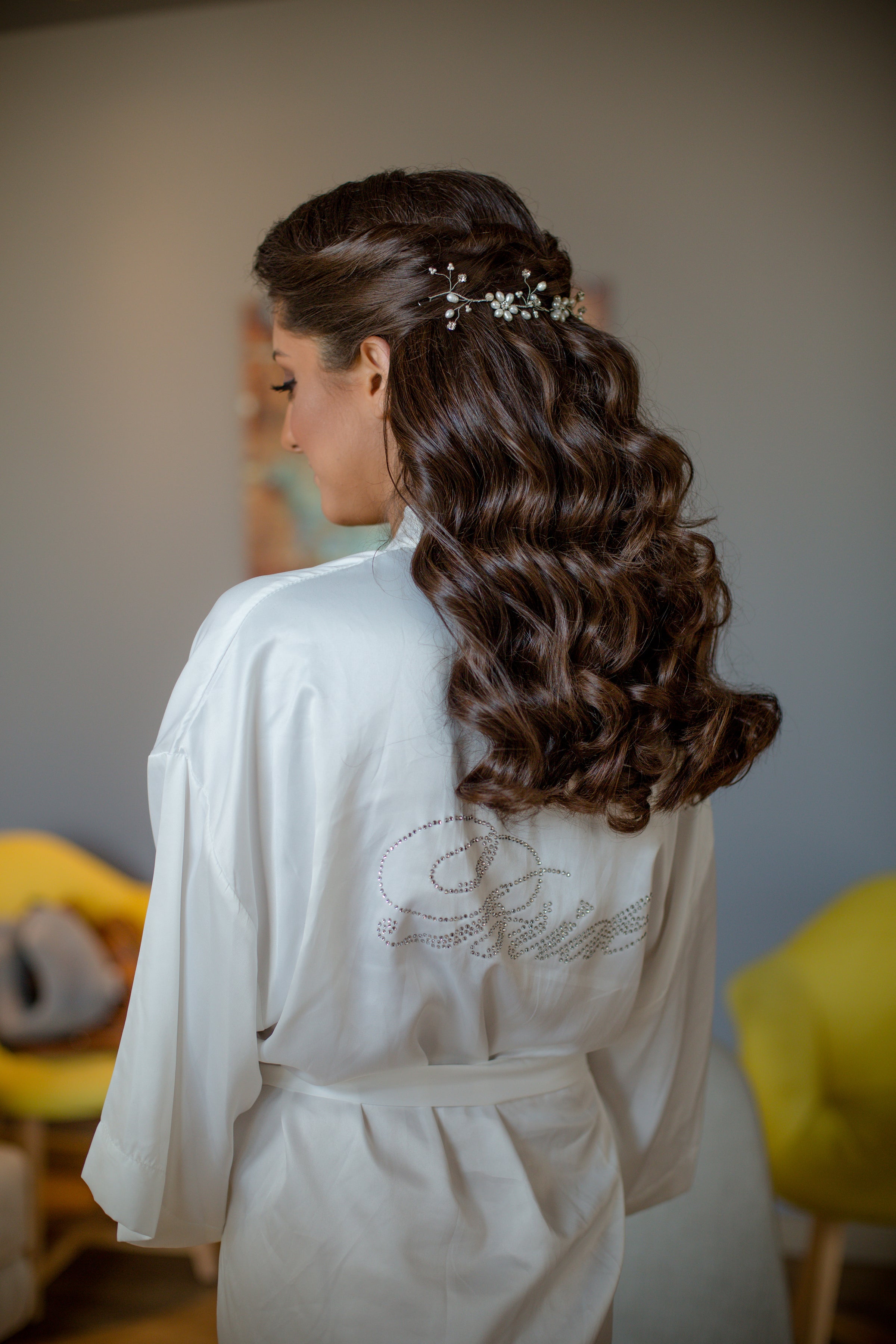

How much do hair extensions cost – and are you about to overpay? A set of hair extensions can cost anywhere from under $100 to more than $700. So what exactly creates that gap? It’s not just about hair quality. Length, thickness, weight, construction, and even how the hair is sourced all play a role in the final price. More importantly, how do you choose a set that truly fits your needs without overspending?
In this guide, you’ll find the real average cost of hair extensions broken down clearly and practically – so you can understand what you’re paying for and decide what’s actually worth it.
Important: This article provides a general overview of hair extension pricing based on average market rates. It is intended for informational purposes only and does not aim to set or determine the price of any specific product.

Across the U.S. online retail market in 2026, the average price for hair extensions falls roughly between $150 and $400 per set for 100% human hair. That range reflects what most consumers actually purchase – not the cheapest option on Amazon, and not ultra-luxury virgin hair either.
Here’s a more practical breakdown of the current market:
Synthetic hair extensions: $50 – $200
Mid-range human hair extensions: $150 – $350
High-quality Remy human hair extensions: $250 – $700+
Why does such a wide range in hair extensions cost? Because you’re not just paying for “hair.” You’re paying for:
Whether the cuticles are aligned
How evenly the strands are drawn (single, super and double drawn)
Total gram weight
Length
Brand positioning and sourcing transparency
A $99 set and a $499 set may look identical in a product photo. In real life, they rarely behave the same after 10 washes.
So when people ask, “How much is it for hair extensions?”, the better question is: How much quality do you want, and how long do you expect them to last?
Because the cost of hair extensions isn’t driven by one single factor, three core elements determine what you’ll actually pay: the type of extension, the quality of the hair, and the length and thickness of the set. Everything else – branding, packaging, even marketing – comes after those fundamentals.
Once you understand how these three variables shape pricing, the wide gap between a $99 set and a $499 set starts to make sense. Let’s break them down one by one, starting with the first major factor: Type.
Today’s market offers a wide variety of hair extensions, each designed for different needs and styling preferences. Among them, clip-in and tape-in extensions remain especially popular thanks to their versatility, natural blend, and ease of use. However, when it comes to pricing, not all types sit in the same range – differences in construction, hair volume, and design significantly influence the final cost.
Below is a detailed breakdown of hair extensions cost by type, so you can see exactly how pricing shifts from one option to another.

Clip-ins are the most commonly purchased type, especially for beginners. They’re reusable, removable, and don’t require professional installation.
Synthetic clip-ins: $50 – $150
Human hair clip-ins: $120 – $400
Premium Remy clip-ins: $250 – $600
Most buyers land in the $180–$300 range for a full 7–10 piece human hair set weighing 120g–160g.
Why did the price jump from synthetic to human hair? Synthetic fibers often can’t handle curling irons above 250°F. Human hair can be washed, toned, straightened, and blended naturally.
If you’re new and testing extensions for occasional wear, a $180–$250 human hair clip-in set is usually the sweet spot between affordability and performance.

Although tape-in extensions are commonly linked to professional application, the hair itself is widely available for direct purchase from many brands. What you’re paying for is typically pre-taped wefts designed to lie flat and blend seamlessly, which requires more precise construction than basic clip-ins. That added structure and uniformity often places tape-ins at a higher price point per set.
Synthetic tape-ins: $100 – $250
Human hair tape-ins: $200 – $600
The cost depends heavily on how many “sandwiches” you buy. A full head typically requires 40–60 pieces. Budget listings sometimes advertise low prices but only include 10–20 pieces.
Always check:
Total gram weight
Number of pieces included
Length consistency
Low-cost tape-ins often use thin wefts, meaning you’ll need more packs to achieve fullness—raising the true extensions for hair cost.

Sew-in or weft hair extensions are usually sold by bundle or gram weight rather than as a full set. The total cost depends on how many bundles you need for proper fullness. Longer and thicker wefts naturally increase the overall price.
Basic human hair bundles: $80 – $150 each
Higher-grade Remy bundles: $150 – $350 each
Full head (2–3 bundles): $200 – $900
Wefts vary drastically in density. Some 20-inch bundles feel full and thick. Others taper heavily at the ends. If you’re evaluating cost of hair extensions in weft form, look at:
Bundle weight (100g is standard)
Whether ends are blunt or tapered
Origin claims (raw, virgin, processed Remy)
Thin, overly processed hair tangles faster—shortening lifespan and raising long-term cost.

Fusion or keratin tip extensions are sold by individual strands rather than full sets. Since a full look can require 100–200 pieces, the total cost increases quickly. Higher-grade hair also pushes the price up.
Standard keratin tip sets: $150 – $400
Premium Remy strand sets: $300 – $700
Because they’re sold by strand count, the price varies depending on how many pieces you purchase (often 100–200 strands for full volume). The cost per strand may look low, but full coverage adds up quickly.

Halo/Wire extensions are single-piece wefts secured with a nearly invisible wire that sits comfortably on the head. Because they use one continuous panel of hair rather than multiple clips or strands, their pricing typically reflects the overall length and thickness of that single piece.
Synthetic halo: $80 – $150
Human hair halo: $150 – $350
Premium Remy halo: $250 – $500
Halo/Wire extensions require less construction and hardware, which keeps pricing moderate compared to multi-piece clip-ins.
Further reading: Top 5 Different Types of Hair Extensions: Costs, Methods & Styles

Now that we’ve explored the different types of hair extensions, it’s time to move to the second critical factor: Quality. While the type determines how the extensions are constructed, quality defines how they look, feel, and perform over time. It directly impacts softness, durability, styling flexibility, and ultimately the true cost of hair extensions beyond the initial price tag.
Average price: $50 – $200
|
Pros |
Cons |
|
More affordable than human hair options |
Limited heat resistance (often below 250°F) |
|
Holds pre-styled curls or waves well |
Shorter lifespan, typically 1–3 months with regular wear |
|
Low maintenance for occasional use |
May have an unnatural shine under bright light |
|
Wide range of ready-made colors |
Cannot be re-colored or chemically treated |
Synthetic extensions work for events, short-term looks, or trend experimentation. They rarely justify higher price tags beyond $150.
Average price: $150 – $600
Unlike synthetic fibers, 100% human hair extensions are made from real donated hair. Most commercial-grade human hair is collected from countries such as Vietnam, India, China, and parts of Southeast Asia, where hair is naturally strong and suitable for processing. After collection, the hair is cleaned, sorted, and chemically treated to achieve consistent color and texture before being manufactured into extensions.
Although the hair undergoes processing, it still retains natural movement and significantly better styling flexibility than synthetic alternatives.
What you can expect:
Lifespan: Approximately 6–12 months with proper care
Heat styling: Can be curled, straightened, and blow-dried like natural hair
Blending: Moves and reflects light more naturally, making it easier to match with your own hair
Re-styling potential: Can often be toned or slightly adjusted in shade (depending on prior processing)
This category represents the true average cost of hair extensions for most buyers. It offers a practical balance between price and performance – more durable and natural-looking than synthetic hair, without reaching the premium pricing of high-end Remy or virgin hair.
Remy human hair extensions are made with cuticles aligned in the same direction from root to tip, which helps reduce tangling and maintain a smoother texture over time. High-quality Remy hair is often sourced from regions like Vietnam and Southeast Asia, where strands are naturally strong and carefully sorted to preserve their structure.
What makes Remy higher in price:
Stays softer after multiple washes
More consistent thickness from top to ends
Tangles less due to aligned cuticles
Lasts longer with proper care
With Remy hair, you’re paying for durability and structural integrity. If longevity matters, this tier usually offers better value over time despite the higher upfront cost.

Length significantly impacts pricing. Longer hair is harder to source and maintain during processing, which is why a 22-inch set can cost much more than a 16-inch set of the same quality. Thickness also matters. Higher gram weight means more hair in the set, and more hair directly increases the overall cost.
Here’s a practical estimate for human hair sets (120g–160g weight):
14–16 inches: $120 – $250
18–20 inches: $180 – $400
22–24 inches: $300 – $700+
Longer hair requires:
Longer growth cycles from donors
More careful sorting
Higher breakage rates during processing
Thickness matters just as much as length. A 120g set may look natural for fine hair. If you have thick hair, you’ll need 180g–220g for proper blending. A cheap 22-inch set at 120g may appear thin at the ends – meaning you’ll buy a second pack, doubling your total cost.
Further reading: Hair Extension Length Chart: Find Your Perfect Hair Length
When comparing the cost of hair extensions, these are the real drivers:
Hair Origin Transparency: Ethically sourced hair with documented supply chains costs more. Anonymous bulk factory hair costs less.
Cuticle Alignment: Misaligned cuticles cause tangling. Aligning them requires careful processing.
Single-Drawn vs Double-Drawn vs Super Double-Drawn: Single-drawn hair contains mixed lengths with very thin ends, so it’s less popular. Double-drawn hair offers a more natural, balanced look. Super double-drawn hair has the fullest, thickest ends and is the most premium option.
Chemical Processing: Platinum blonde hair that began as dark hair undergoes heavy lifting. Over-processed hair is cheaper because longevity drops.
Brand Markup: Packaging, influencer marketing, and retail positioning can inflate prices without improving hair quality.
Price alone doesn’t signal quality – but extremely low pricing often signals compromise.
If you’re new and wondering how much is it for hair extensions without regret later, here’s a grounded recommendation:
Expect to spend $180–$300 for a reliable 16–20 inch human hair clip-in set.
Budget $300–$500 if you want long (22–24 inch), thick, Remy-quality hair.
Be cautious below $120 unless it’s synthetic or heavily discounted.
The real average price for hair extensions sits in the mid-range human hair category – not the cheapest listing and not the luxury extreme.
Instead of asking only “How much do hair extensions cost?”, ask:
How long do I want them to last?
Do I heat style frequently?
Does my natural hair require higher density?
Hair extensions are not just a beauty purchase—they’re a material investment. When you understand what drives hair extensions cost, you stop shopping blindly and start buying strategically.
Also worth exploring: How Long Should Hair Extensions Last? Everything You Need to Know
That concludes our complete guide to understanding how much hair extensions cost in today’s market. As you’ve seen, pricing isn’t random — it reflects differences in type, quality, length, thickness, and how the hair is sourced and constructed.
We hope this guide has helped you clearly understand the real average cost of hair extensions and what a fair price actually looks like. When you know what drives the numbers, you can shop with confidence instead of guessing based on photos alone.
Explore WIGI Hair’s collection of 100% human hair extensions, thoughtfully crafted with balanced density, soft cuticle alignment, and natural movement. From everyday clip-ins to premium Remy sets, each product is designed to deliver realistic blending, lasting durability, and true value for your investment.


Leave a comment