WIGI HAIR
WIGI HAIR
Bring BEAUTY to your life


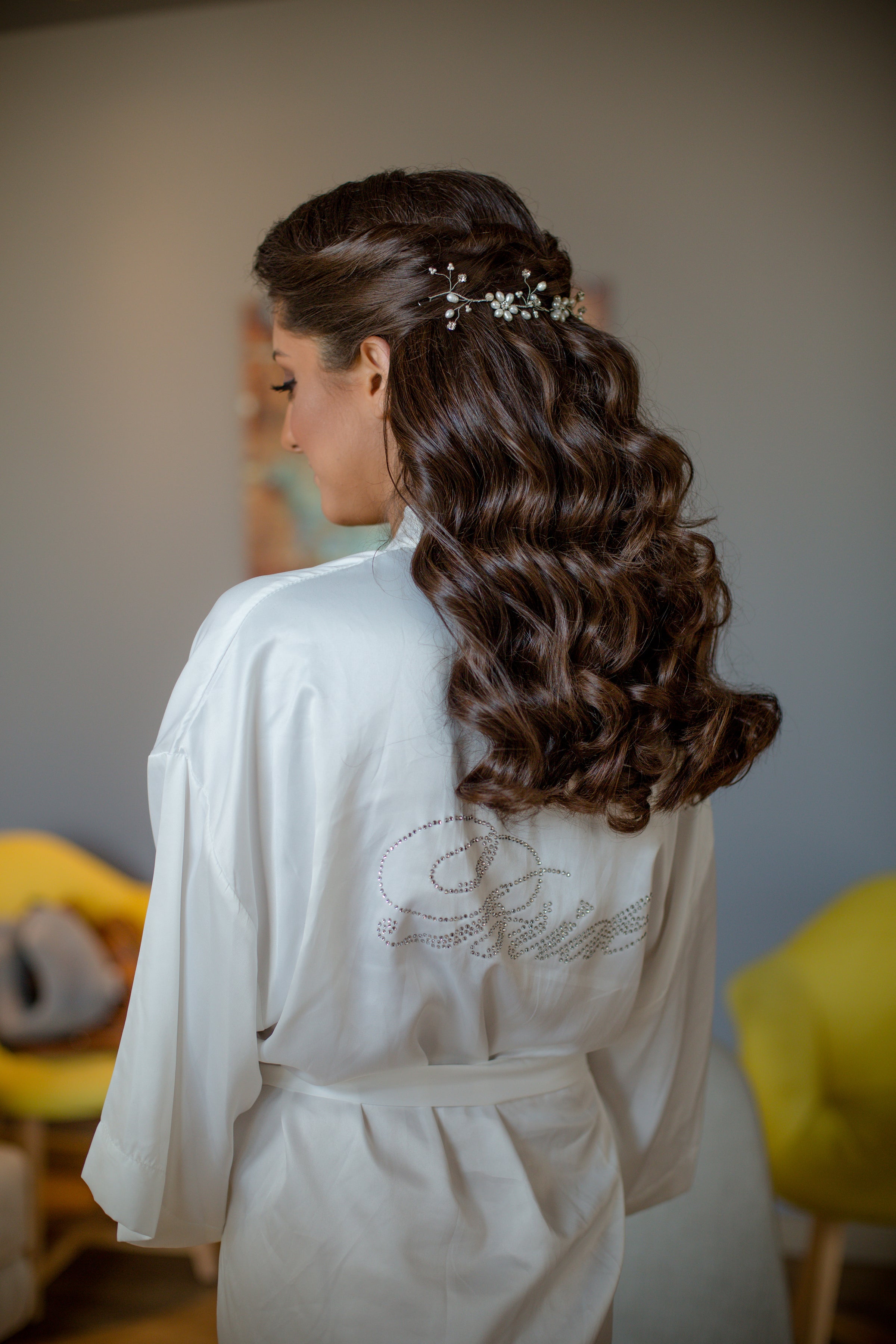

Washing hair extensions may seem simple, but doing it incorrectly can shorten their lifespan, cause tangles, or make them lose their silky shine. Whether you use clip-ins, tape-ins, or synthetic extensions, the right washing technique is essential to keep them looking natural and beautiful. In this guide, you’ll learn step-by-step instructions, the best products to use, and common mistakes to avoid. With proper care, your extensions can stay smooth, fresh, and long-lasting—just like the day you first wore them.
Before you touch water or shampoo, it’s crucial to understand the nature of the hair you’re working with. This is the difference between washing your extensions and washing your natural hair—and it directly affects their longevity.

Human hair extensions behave almost exactly like natural hair when wet, but with one major difference: “They do not receive natural oils from the scalp.” This means they dry out and tangle more easily if not washed and conditioned correctly.
Synthetic extensions, on the other hand, are made from fibers such as Kanekalon or Toyokalon. These fibers:
Do not absorb moisture,
Are sensitive to heat,
And can lose their shape if washed incorrectly.
Key takeaways before washing:
Human hair needs hydration and conditioning.
Synthetic hair needs low friction, minimal products, and zero heat.
Hot water is harmful to all types of extensions.

Overwashing is one of the fastest ways to weaken extensions. The ideal frequency depends on the type:
Clip-ins: Every 10–15 wears or when product buildup is visible.
Tape-ins / Sew-ins / Keratin Tip Extension: 1–2 times per week, depending on scalp oil levels.
Synthetic hair: Every 15–20 wears, since synthetic fibers don’t retain oils.
Reader insight:
Most people washing extensions for the first time ask, “How do I know when it’s time?”
Simple: If your extensions feel heavier, dull, or are harder to brush, they need washing.
Look for these indicators:
Ends mat or tangles faster than usual.
The hair looks dull or feels coated.
Clip-ins feel heavy or sticky near the wefts.
Tape-ins feel greasy near the roots (but not slipping—just dirty).
The hair no longer blends smoothly with natural hair.
If you notice two or more of these, it’s time to wash.
Proper preparation prevents breakage, tangling, and stress on the bonds. Most damage happens before the washing even begins.

Never wash tangled extensions. Water tightens knots and can cause breakage when you try to brush them out afterward.
Use the appropriate tool for each type:
Clip-ins: Paddle brush or detangling brush
Tape-ins: Soft-bristle extension brush
Synthetic extensions: Wide-tooth comb only
Work from the ends upward, never from the roots down. This reduces tension and protects the bonds or clip areas.
If using clip-ins:
Remove all wefts.
Arrange them by length to keep track.
Close every clip to avoid snagging.
Gently bundle each set so they stay organized in water.
This ensures each piece gets washed evenly without tangling.
For tape-ins, keratin bonds, microlinks, or sew-ins:
Do not remove them.
Make sure you have the correct products: sulfate-free shampoo and lightweight conditioner.
Check your bonds. If a tape is already lifting, washing may worsen it—get it adjusted first.
Reader insight:
People searching “how to wash hair with tape-in extensions” are often afraid of slippage.
The secret is in product placement and gentle water flow — which we’ll cover in the next section.

Avoid:
Sulfates
Heavy silicones (non-water-soluble)
Strong alcohols
Clarifying shampoos (unless removing buildup)
Use:
Gentle, sulfate-free shampoos with amino acids
Conditioners containing hydrolyzed proteins
Lightweight leave-in conditioners
For synthetic: fiber-friendly cleansers and detangling sprays
This ensures the hair stays nourished without making roots or tape bonds slippery.
This is the core section most readers come for — actionable, specific steps that prevent damage.

Only use cool to lukewarm water. Place the extensions in a basin or sink. Let water flow downward over the hair, not swirling it around, which causes tangling.
Mix 1 part shampoo with 3 parts water. Direct shampoo causes patchy dryness and buildup. Pour the diluted mixture gently along the hair length.
Never scrub or twist clip-ins. Just glide your hands down the hair shaft with gentle pressure.
Any leftover shampoo leads to stickiness, tangling, and frizz.
Apply conditioner from mid-lengths to ends, avoiding the wefts. This keeps the clips secure and prevents premature loosening.
Unlike natural hair, extensions need more time to absorb moisture.
Cool water helps seal the cuticle and boost shine.

Tape-ins must be washed more carefully because friction, oils, and heavy products loosen the adhesive.
Do not flip your head upside down.
Let the water run from crown to ends so tape tabs stay aligned and stress-free.
Apply a small amount of sulfate-free shampoo to your fingertips—not to the hair itself.
Gently massage the scalp.
Avoid circular motions; use vertical motions instead.
Let the suds travel downwards naturally.
This cleans the hair without disturbing the bonds.
Keep hair falling straight down.
Do not move hair around or flip sections.
Never apply conditioner near the tapes.
The rule is simple: “Condition where your hair needs it, not where the tape sits.”
At 60–70% dry, use a soft-bristle extension brush.
This prevents pulling and stretching the adhesive.

Drying is just as important as washing. Incorrect drying weakens bonds and damages fibers.
Rubbing creates friction, frizz, and breakage.
Instead:
Use a microfiber towel.
Gently press (don’t squeeze) the hair to absorb moisture.
Air-drying is ideal.
For the smoothest result:
Hang the wefts on extension hangers or a wide hanger.
Let them dry straight for natural alignment.
If blow-drying, use medium heat and a downward airflow.
Tape bonds must be dried properly to avoid swelling or loosening.
Blow-dry the roots first on low to medium heat.
Always aim the dryer downward.
Once the tapes are dry, you may air-dry the rest of the hair.
Leaving tape-in roots wet for too long is one of the top causes of slipping.
Never apply heat.
Synthetic fibers can melt, curl, or distort when exposed to heat tools or blow dryers.
Lay them flat on a towel or hang them to dry naturally.

These are the mistakes that do the most damage — and the reasons why many extensions don’t last as long as they should.
Sulfates strip moisture, causing:
Dryness
Tangling
Premature wear
Weakened bonds
Always choose sulfate-free formulas.
This pulls on the adhesive and creates lift or separation.
Use fingertips and light vertical motions only.
Extensions do not self-clean like natural hair.
Heavy products create buildup that:
Weighs hair down
Makes it greasy
Attracts dirt faster
Stick to lightweight, water-soluble formulas.
Wet hair is at its weakest.
Only brush when hair is 60–70% dry.
Hot water opens the cuticle, causing:
Frizz
Color fading
Dryness
Distortion in synthetic fibers
Always use cool to lukewarm water.

Q1. Can I wash hair extensions every day?
No. Daily washing dries out human hair extensions and weakens tape or keratin bonds. Wash only when necessary.
Q2. What if my extensions tangle after washing?
Use a water-based detangling spray, then brush gently from ends upward. For human hair, a small amount of argan oil can help soften the ends.
Q3. Can I sleep with wet extensions?
Never. Wet tape-ins lose adhesion, and clip-ins can become severely tangled.
Read more: Can You Sleep with Clip-In Hair Extensions? Expert Tips for Safe and Comfortable Overnight Care
Q4. Do synthetic extensions need conditioner?
They need a light spray conditioner only.
Cream conditioners coat the fibers and create stiffness.
Q5. How long do extensions last with proper washing?
Clip-in human hair: 8 – 12 months
Tape-ins: 6 – 8 weeks before reinstallation
Synthetic: up to 3 months with gentle care
Washing hair extensions properly is not complicated, but it requires technique. With the right preparation, gentle products, careful handling, and drying methods that protect the bonds, your extensions can stay smooth, shiny, and natural-looking far longer than average. Treat each type—clip-ins, tape-ins, or synthetic—with its specific needs in mind, and you’ll maintain salon-quality results every time you wash.

After learning the expert techniques for washing and caring for hair extensions, it’s time to find the perfect extensions to complement your routine. WIGI Hair offers a curated collection of 100% human hair extensions that are not only luxurious and natural-looking but also designed for easy maintenance, styling, and long-lasting wear.
Whether you’re seeking clip-ins, tape-ins, or other extension types, WIGI’s premium selection allows you to achieve seamless results while following the proper care methods. Explore WIGI’s full range today and discover the extensions that make maintaining beautiful, healthy hair effortless.


Leave a comment