WIGI HAIR
WIGI HAIR
Bring BEAUTY to your life


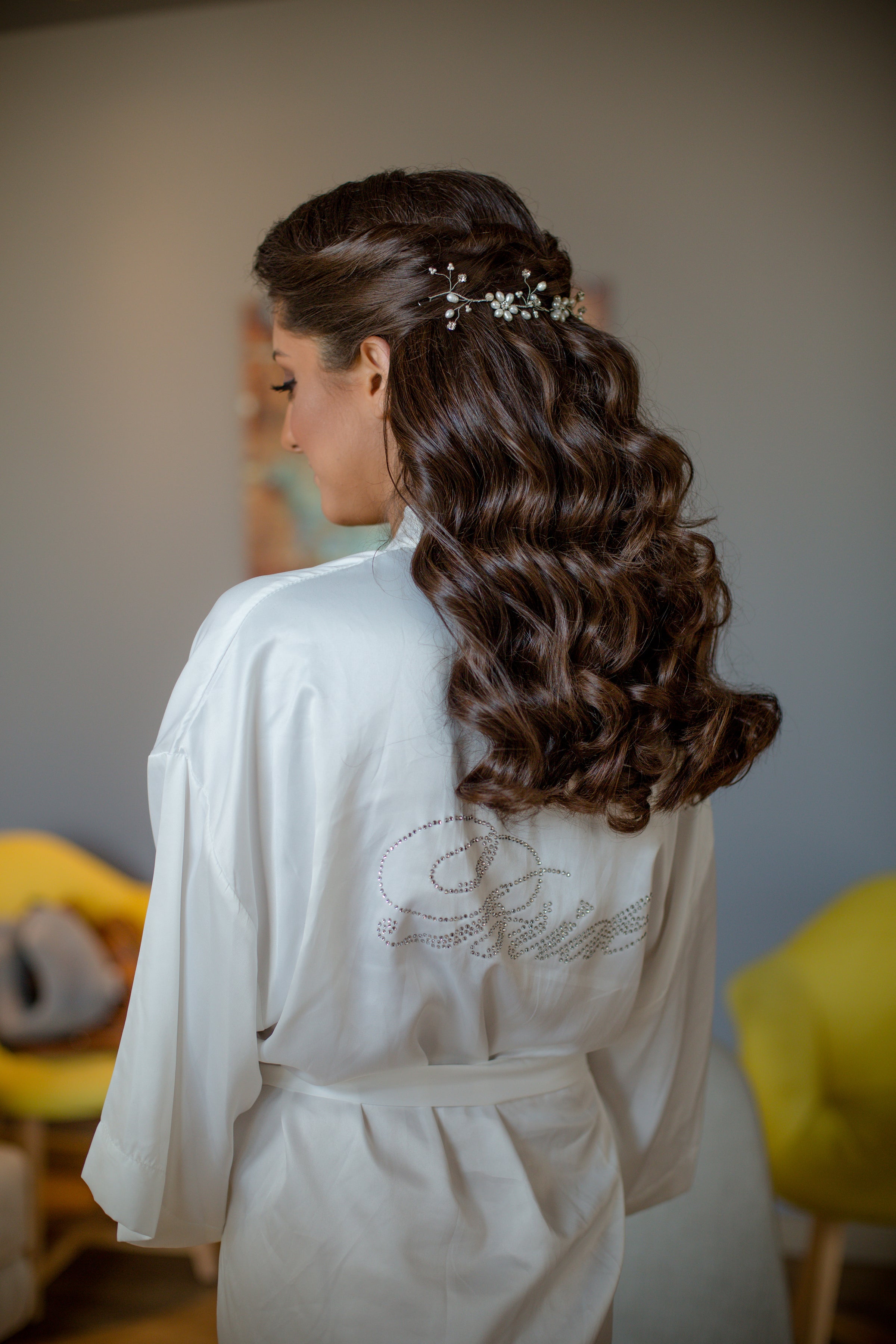

If you're looking for low density wigs, you likely want hair that looks natural – not overly thick or bulky. Low density wigs are ideal for achieving a realistic hairline, lightweight comfort, and effortless everyday styling.
Choosing between 130%, 150%, 180%, or 250% density isn’t just about volume – it’s about achieving the right balance between natural appearance and styling flexibility. In this guide, we break down everything you need to know about wig density, compare the most popular density levels, and help you decide which option suits your lifestyle, age, and styling preferences best.

In professional wig manufacturing, density refers to the amount of hair added to the cap, expressed as a percentage. It does not describe strand thickness. Instead, it measures how full the wig is compared to an industry baseline.
The baseline (100%) represents natural human hair density as it grows from the scalp in an average healthy adult. However, most wigs start at 130% because 100% can look too sparse once hair is ventilated into lace.
Here is what those percentages truly represent in practical terms:
130% density – Light, natural fullness. Mimics naturally fine-to-medium hair.
150% density – Moderate fullness. Most common “natural” standard.
180% density – Noticeably full. Creates volume and body.
200–250% density – Heavy, dramatic fullness.
300% density – Extremely thick, theatrical or high-glam appearance.
Density influences four critical factors:
Scalp visibility – Lower density allows more realistic scalp exposure.
Movement – Lightweight wigs swing and flow more naturally.
Weight on the cap – Higher density adds noticeable heaviness.
Face framing – Excess fullness can overpower delicate facial features.
A common misconception is that higher density equals better quality. That is incorrect. Quality is determined by hair grade, cuticle alignment, lace construction, and craftsmanship – not by how much hair is packed into the cap.

Low density wigs typically range from 120% to 130%, sometimes 150% depending on context. True low density is designed to mimic naturally fine or age-appropriate hair growth.
These wigs are intentionally crafted to:
Sit closer to the scalp
Avoid bulk at the crown
Create believable parting space
Feel breathable for long wear

Low density wigs are particularly flattering for:
Women over 40 who want age-appropriate volume
Professionals seeking a polished, subtle look
Beginners uncomfortable with overly full wigs
Individuals in warm climates
Medical hair loss clients wanting realistic regrowth simulation
If you are naturally drawn to wigs that feel lighter, sit flatter at the top, and move more fluidly, low density wigs are often the most flattering choice. They prevent the “helmet effect” that can occur with overly thick wigs and create a more believable transition from hairline to length. For women who value sophistication over volume, low density wigs provide a clean, polished appearance without compromising comfort.
Also worth exploring: How to Make a Wig Look Real: Expert Tricks That Actually Work

Choosing the wrong density is one of the fastest ways to end up with a wig that looks “off” — too flat, too bulky, too heavy, or simply not like you. Many women assume higher density means better results, only to realize later that fullness without proportion can feel uncomfortable and unnatural.
So how do you know what 130%, 150%, 180%, or 250% will actually look and feel like in real life?
In the analysis below, you’ll clearly understand how each wig density differs in thickness, weight, suitability, and styling flexibility – and more importantly, which density best matches your daily routine.
|
Density |
Visual Appearance |
Weight Feel |
Best For |
Styling Flexibility |
|
130% |
Soft, realistic, close to scalp |
Very lightweight |
|
Best for straight & soft waves |
|
150% |
Natural with body |
Light |
|
Straight, waves, light curls |
|
180% |
Noticeably full |
Medium |
|
Layered cuts, curls |
| 250% | Dramatic, high volume | Heavy |
|
Thick curls, big hair |
Density behaves differently depending on texture:
150% straight hair looks lighter than 150% curly hair.
180% deep waves can appear equivalent to 200% straight.
Curly textures visually multiply volume.

Many people hesitate when deciding between 130%, 150%, 180%, and 250% density because the difference is not simply about numbers. The percentage alone does not explain how thick the hair will look, how heavy it will feel after several hours, or how easily it can be styled at home.
Wig density influences three critical factors: visual thickness, weight distribution, and styling control. Each level creates a distinct aesthetic impression and a different wearing experience. Choosing the wrong one can result in a wig that feels uncomfortable, looks disproportionate, or requires more maintenance than expected.
Below are the clear criteria that distinguish these density levels in practical, real-world terms.
Visual density determines scalp visibility, facial framing, and the overall silhouette of the hairstyle.
130% Density: Creates a soft and natural outline. The hair sits closer to the scalp, allowing realistic parting space and natural light movement. It closely resembles naturally fine-to-medium hair and produces a refined, understated finish suitable for everyday wear.
150% Density: Provides noticeable body while maintaining balance. The mid-lengths and ends appear fuller, yet the crown retains a believable appearance without bulkiness. This density enhances shape and dimension without overpowering facial features.
180% Density: Produces visible fullness from root to tip. The crown appears denser, and the perimeter feels thicker. In straight textures, it can look bold unless layered properly. In wavy or curly styles, it significantly enhances volume and body.
250% Density: Delivers maximum visual thickness with minimal scalp visibility. The hair appears dense throughout the cap, creating a dramatic and high-impact effect rather than subtle realism.
Density directly influences how the wig’s weight is distributed and how comfortable it remains over extended periods.
130% Density: Lightweight and breathable. Suitable for all-day wear without noticeable tension at the hairline or nape.
150% Density: Slightly more substantial yet still comfortable for daily use. Maintains balance without creating excessive downward pull.
180% Density: Heavier, particularly in lengths exceeding 20 inches. The additional hair volume increases weight toward the ends, which may become noticeable after prolonged wear.
250% Density: Significantly heavier, especially in long or curly styles. The concentrated mass of hair can create strain at the nape during extended use.
Lower densities typically provide improved airflow and long-term comfort, especially in warmer climates.

Density plays a critical role in how easily the wig can be styled, maintained, and customized.
130% Density
Dries faster after washing
Easier to straighten and smooth
Requires minimal thinning
Best suited for sleek, polished styles
150% Density
Supports layering and soft curls
Maintains body without excessive bulk
Offers versatile everyday styling options
180% Density
Holds defined curls effectively
Ideal for voluminous blowouts and layered cuts
Requires more sectioning and styling time
250% Density
Designed for bold, structured hairstyles
Demands greater styling precision
Takes longer to wash, dry, and detangle
As density increases, internal bulk also increases. This affects drying time, product usage, and overall maintenance effort.
Each density level communicates a different aesthetic intention:
130% delivers subtle realism and lightweight comfort.
150% balances natural appearance with moderate fullness.
180% emphasizes noticeable volume and glamour.
250% prioritizes dramatic impact and maximum thickness.
Understanding these distinctions ensures density selection is guided by proportion, comfort, and styling expectations rather than choosing a higher percentage by default.
Q1. Is 150% density natural looking?
Yes. 150% is considered the industry standard for natural fullness. It balances realism and body without appearing thin.
Q2. Is 180% density too thick for daily wear?
For many women, yes – especially in straight textures. It can feel heavy and require additional thinning or layering.
Q3. Does higher density last longer?
No. Longevity depends on hair quality, maintenance routine, and cap construction – not on density.
Q4. Can a high-density wig be thinned?
Yes. A professional stylist can customize density by carefully thinning sections. However, it is always better to purchase the correct density from the beginning.
Q5. Are low density wigs better for seniors?
Often, yes. Mature women usually prefer softness and realism over volume. Lower density aligns better with natural aging hair patterns.
Also worth exploring: Best Wigs for Women with Thin Hair: Natural Volume
Choosing the right wig density is not about selecting the highest percentage — it is about finding the right balance for your features, lifestyle, and comfort. Density affects how natural your wig looks, how it feels throughout the day, and how easily you can style and maintain it.
With the insights WIGI Hair has shared, the goal is to help you confidently understand the real difference between 130%, 150%, 180%, and 250%. If you are seeking realism, lightweight wear, and effortless everyday elegance, low density wigs in the 130%–150% range are typically the ideal choice.

Explore WIGI Hair’s premium collection of 100% human hair wigs to find the density that truly complements your features and lifestyle. From lightweight 130%–150% low density wigs designed for natural everyday elegance to fuller options for added volume, WIGI Hair offers carefully crafted solutions to help you achieve balanced, effortless beauty with confidence.


Leave a comment