WIGI HAIR
WIGI HAIR
Bring BEAUTY to your life


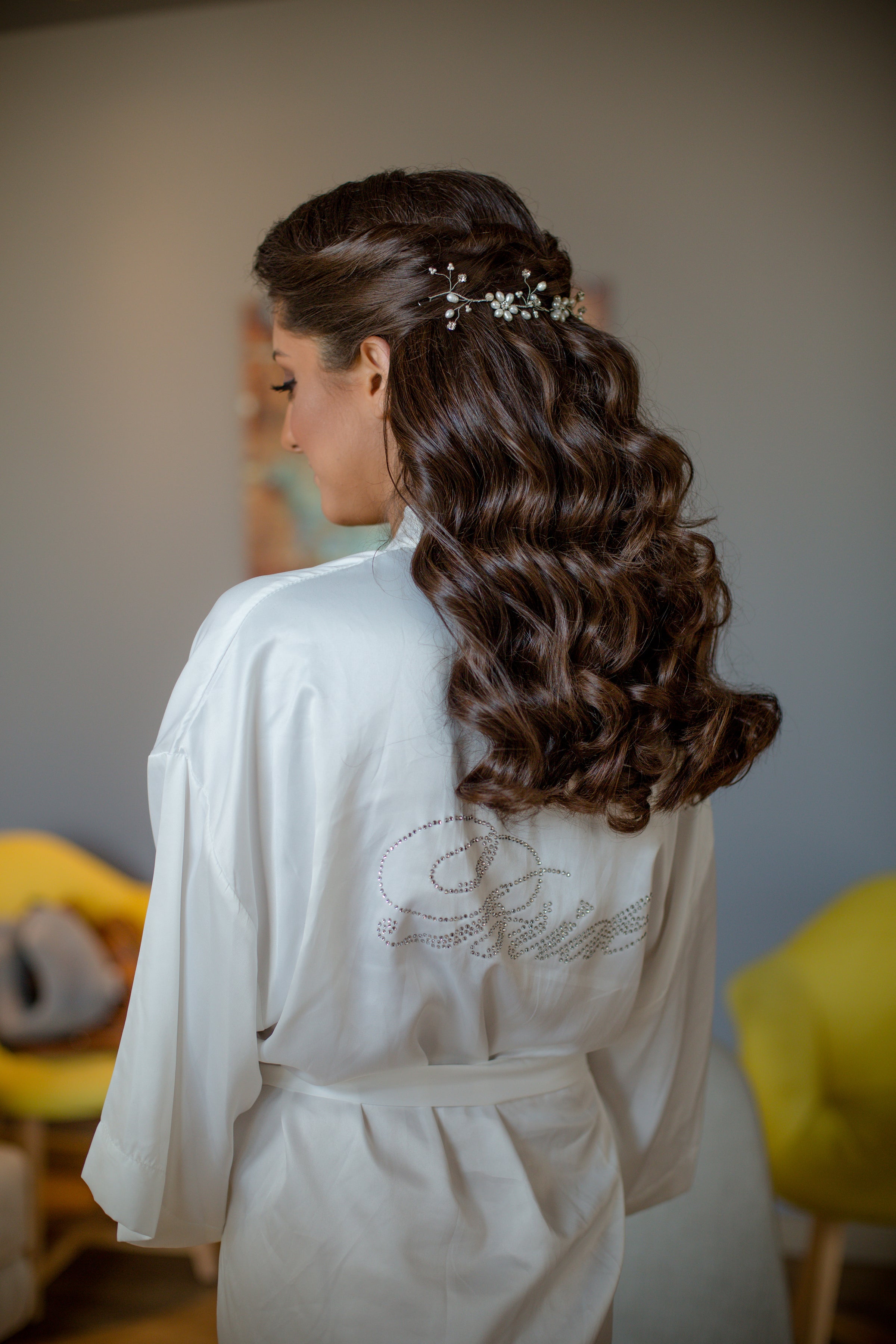

Thin or thinning hair can affect confidence at any age, but the right wig can change everything. Today’s wigs for women with thin hair are designed to look natural, feel lightweight, and instantly add volume without damaging fragile strands.
In this guide, we’ll help you choose the best wigs for thinning hair, explain what features truly matter, and show you how to achieve a fuller, more confident look effortlessly.

When selecting wigs for thinning hair women, there are several key considerations that must be addressed to ensure both comfort and aesthetic appeal. Thinning hair often leads to concerns such as scalp exposure, hair texture, and volume. A well-chosen wig can help alleviate these concerns, restoring not only the volume you’ve lost but also the self-assurance to confidently wear your hair every day.
A lightweight wig is essential for women with thin or thinning hair. Wigs that are too heavy can put unnecessary pressure on the scalp, which might further exacerbate hair thinning or cause discomfort.
Thinner, more delicate hair requires a wig that is both light and comfortable to wear for extended periods of time. Lightweight construction ensures that your wig will feel like a natural extension of your own hair, providing comfort throughout the day.
Typically, wigs made from lighter materials such as lace fronts, mesh caps, or thin wefts are the best options. These constructions allow the wig to rest gently on your scalp without pulling or tugging on your natural hair. Whether you’re wearing the wig for a few hours or all day, a lightweight design is key to ensuring you don’t feel weighed down.

One of the most important factors for women with thinning hair is selecting a wig with a natural density. Wigs that are too thick can look bulky or unnatural, creating a stark contrast with the finer texture of your natural hair.
On the other hand, a wig with the right amount of natural density will blend seamlessly with your thinning hair, giving you the volume you desire without appearing overly full.
One often overlooked but incredibly important feature of a wig for thinning hair is the cap design. A breathable cap allows air circulation to your scalp, helping to reduce sweat and heat buildup. This is especially important for women with thinning hair, as their scalp may be more sensitive.
A breathable design prevents irritation and keeps your scalp cool, even during warmer weather or when wearing the wig for long periods.
When choosing a wig for thin hair, a secure yet comfortable fit is non-negotiable. Many women with thinning hair find that their natural hair is more fragile and prone to breakage, so a wig that fits securely without creating tension is crucial.
A secure fit without tension is especially important when selecting wigs for women with thinning hair, as tight wigs can cause discomfort, headaches, and even damage to existing hair, making it important to select a wig that fits well without feeling too tight or pulling on the scalp.
Now that we’ve discussed what makes a wig ideal for thin or thinning hair, let’s explore the different types of wigs that are best suited for women looking to add volume, thickness, and confidence to their hair.

Full lace wigs and 360 lace wigs are made with lace material that covers the entire head. The lace construction provides a natural, breathable cap, while the hand-tied hair around the perimeter allows for flexible styling from all angles. This type of wig gives you complete freedom to part your hair in any direction, whether it’s a middle part, side part, or even no part at all.
Best For: Women who want a completely natural look and the flexibility to style their hair in various ways. Full lace wigs and and 360 lace wigs are ideal for those with thinning hair or bald spots, as they offer 360-degree coverage and allow for the most natural appearance.
Pros:
Natural and versatile, allowing for various hairstyles like ponytails or updos.
Lightweight and breathable design that ensures comfort and airflow to the scalp.
Lasts up to 2 years or more with proper care.
Cons:
Requires careful handling and maintenance to avoid damage.
Need to use adhesive or glue to secure the wig.
Higher price point compared to other wig types.
Ideal For: Those experiencing significant hair thinning, hair loss, or bald patches, particularly if you desire a versatile wig for frequent style changes.

Lace closure wigs feature a small lace piece (typically 4x4 or 5x5 inches) that is placed on the top or front of the head to mimic a natural scalp. The rest of the wig is sewn with wefts of hair. This wig type typically offers a more affordable option compared to full lace wigs while still providing a realistic hairline and natural parting.
Best For: Women who want a natural appearance at the crown and hairline but don’t need a full 360-degree lace construction. Lace closure wigs are perfect for those looking for coverage on the top of the head or to fill in areas of thinning without needing to style the entire head.
Pros:
More affordable than full lace wigs.
Easier to wear and maintain.
Natural-looking parting with less hassle, ideal for those who primarily want a part down the middle.
Lasts 2 years or more with proper care.
Cons:
Limited styling options—mostly works best with simple, natural hairstyles.
Less natural appearance compared to full lace wigs, especially in the areas outside the lace closure.
Only allows for a middle part or specific pre-set part styles.
Ideal For: Women with thinning hair who need coverage at the top or front and prefer a simpler, more manageable style without requiring full scalp coverage.

Lace frontal wigs feature lace material that covers the front of the head from ear to ear (usually 13x4 or 13x6 inches), providing a wider area for parting and styling flexibility. The rest of the wig is sewn with wefts of hair. Lace frontal wigs offer more coverage than lace closures but are less extensive than full lace wigs. They provide a natural-looking hairline and can be styled in various ways.
Best For: Women who want more flexibility than a lace closure offers but don’t require the full coverage of a 360 lace wig. Lace frontal wigs are ideal for adding volume and creating a natural, undetectable hairline while still allowing for various parting and styling options.
Pros:
Frontal wigs offer more parting options than closure wigs, providing better flexibility and coverage, while being more affordable than full lace wigs.
Natural-looking hairline with the ability to part in different ways.
Versatile styling options like side parts or center parts.
Lasts 2 years or more with proper care.
Cons:
More complex to care for compared to lace closures.
Requires proper adhesive or glue for a secure fit.
Less breathable than full lace wigs, though still more breathable than other wig types.
Ideal For: Women with thinning hair at the front or crown who want more flexibility in styling, such as parting in different directions, without the full coverage of a 360 lace wig.
Read more: Difference Between a Lace Front and Full Lace Wig: Which One Should You Choose?

Hair toppers are smaller wig pieces designed to cover specific areas of thinning hair, usually on the crown or top of the head. They are a great option for women who don't want to wear a full wig but need extra coverage or volume in certain spots. Hair toppers are typically made from lace or mono material and can be easily clipped or integrated into natural hair.
Best For: Women who want to add volume to specific areas of thinning hair without committing to a full wig. Hair toppers are perfect for those who only need coverage at the crown or have mild thinning in certain areas.
Pros:
Easy to wear and remove, offering a less permanent solution.
Allows for a more natural look by blending with your natural hair.
Can be styled or dyed to match your hair color and texture.
Doesn’t require adhesives or glue, reducing scalp irritation.
Lasts 2 years or more with proper care.
Cons:
Only covers certain areas (usually the crown), so it won’t provide full coverage for significant hair loss.
Limited styling options compared to full wigs.
Requires precise matching to your natural hair color and texture for the most seamless look.
Ideal For: Women who want a quick and effective solution to cover thinning areas on the crown or top of the head. Perfect for those with mild thinning or hair loss but who still want to keep their natural hair visible and intact.

When choosing a wig for thinning hair, it’s important to consider several factors to ensure you get the right fit for your needs. Here are some key tips to guide your decision-making process:
FAQ

To maintain your wig’s natural volume and texture, wash it regularly with mild, sulfate-free shampoos. For human hair wigs, deep conditioning treatments can help keep the strands soft and shiny. Always follow the care instructions provided by the manufacturer, and store your wig on a wig stand to preserve its shape when not in use.
Yes, as long as you ensure the wig fits properly and isn’t causing tension on your natural hair. It's important to give your scalp and hair some time to breathe by taking the wig off at night and allowing your natural hair to recover.
To achieve a more natural look, consider trimming the wig to match your desired hairstyle and blending it with your natural hairline. Using a wig cap and choosing a wig with a realistic parting and hair texture can also help enhance its natural appearance.
Read more: How to Make a Wig Look Real: Expert Tricks That Actually Work
Yes, for women experiencing hair thinning due to medical conditions like alopecia or chemotherapy, there are wigs specifically designed to be gentle on sensitive scalps. Look for wigs with softer caps, hypoallergenic materials, and features that allow for a comfortable, secure
When selecting wigs for women with thin hair, it’s important to consider your specific needs, such as the extent of hair loss, desired style flexibility, and comfort. Full lace wigs offer the most natural look and versatility, making them ideal for women with significant thinning or bald patches. Lace closure wigs and lace frontal wigs are great options for those seeking more affordable alternatives that still provide natural coverage, while hair toppers are perfect for those who need minimal coverage for specific areas of thinning.
Ultimately, the right wig for you depends on your styling preferences, level of hair loss, and willingness to maintain the wig. If you’re unsure, trying different types can help you determine which one works best for your unique hair needs.

Now that you understand the different wig options for women with thinning hair, you’re ready to choose the one that best suits your needs. Whether you want full coverage and versatility with a full lace wig or a simple, natural solution with a hair topper, WIGI Hair offers premium 100% human hair wigs for every style. Discover the perfect option to restore volume and confidence with effortlessly beautiful, natural-looking hair.


Leave a comment