WIGI HAIR
WIGI HAIR
Bring BEAUTY to your life


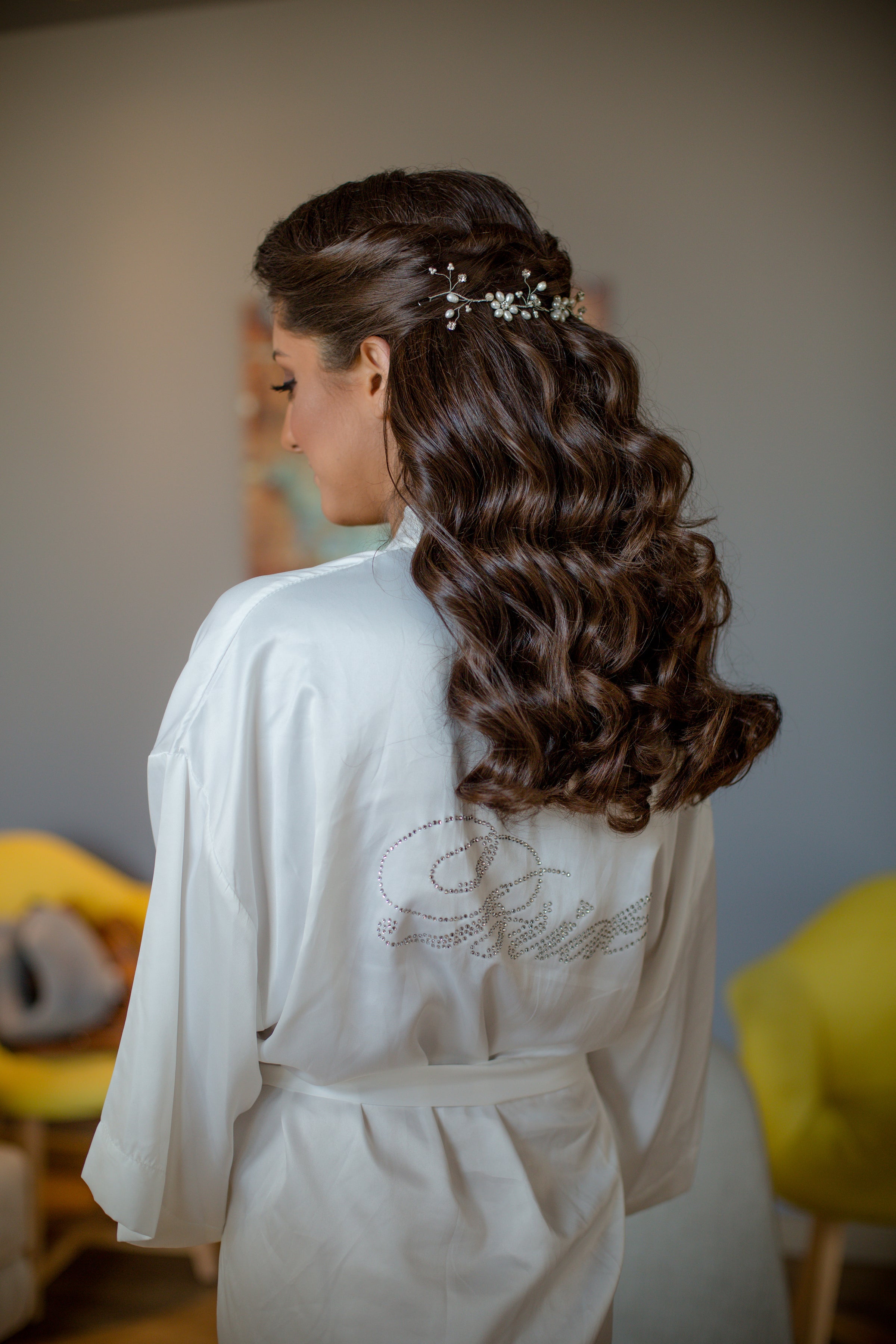

If you have a sensitive scalp, choosing the right hair extensions is about more than just style; it requires a focus on weight, breathability, and non-irritating materials. Many traditional options can cause tension or itching, making it difficult to wear them for long periods. Fortunately, several at-home methods allow you to achieve volume and length while maintaining scalp health.
This guide introduces the 5 best hair extensions for sensitive scalp that you can apply yourself, ensuring a comfortable fit for your sensitive skin.

Hand-tied wefts are considered one of the best hair extensions for sensitive scalp, as they distribute weight evenly and reduce tension on delicate roots.
Why it works: The seams are flat, which means there is no bulk pushing against your scalp when you lie down or lean back. Because they are thin, the weight of the hair is spread across a wider section of your natural hair, preventing any single point from feeling too much pressure.
Best for: Those with thin hair who lead active lifestyles. If you exercise or tie your hair up often, these will not dig into your skin or feel heavy.

Nano rings are a specific type of application that uses very small beads to secure the extension to your hair. A nano ring is about the size of a ballpoint pen tip, which is much smaller than the standard micro-rings used in salons.
Why it works: The rings are tiny and light, which allows the hair to move in any direction. This 360-degree movement is important because it prevents the extension from pulling against the natural growth direction of your hair when you move your head.
Benefit: There is no chemical contact with your skin. You do not need heat or adhesives to attach them. This is helpful if your scalp reacts to bonding agents or the high temperatures of styling tools.

Medical-grade tape-ins are often considered among the best hair extensions for sensitive scalp because they use hypoallergenic adhesives that minimize irritation while lying flat against the scalp. On the market, you will typically find two types of adhesives: standard chemical adhesives and medical-grade acrylic tapes.
For a sensitive scalp, standard glues can be harsh and cause redness. You should always prioritize medical-grade acrylic tapes as they are designed for skin contact and are much easier to remove without damaging your natural hair.
Why it works: These use hypoallergenic acrylic adhesives that respect the skin's pH. The application at home is quite simple: you just need to sandwich a small, thin slice of your natural hair between two tape tabs. Because the adhesive is pre-applied to the tabs, there is no messy glue or heat required, making it a clean and straightforward process for beginners.
Benefit: Because the tape lies completely flat against the head, it does not create a bump. This prevents the constant friction that often leads to redness and discomfort at the back of the neck, allowing you to move your head naturally.

The Halo/Wire is a single, thick weft of hair attached to a transparent, adjustable wire. Unlike other methods, it does not require you to attach anything directly to your hair strands. Think of it as a delicate headband made of hair that rests comfortably around the crown of your head.
Why it works: You simply place the wire about an inch behind your hairline and rest the weft drape over the back of your head. Then, using a comb, you pull your natural hair over the wire. Your own hair acts as an anchor, holding the extension securely in place through gravity and friction.
Benefit: This method eliminates tension entirely because there are no clips, no glue, and no beads pulling on your roots. If you often get headaches from hair ties or have very fragile hair, the Halo adds volume and length without putting any physical stress on your scalp.

Lightweight clip-ins with silicone-cushioned bases are among the best hair extensions for sensitive scalp, offering a secure fit without the friction or pulling associated with standard metal clips.
However, standard metal clips can sometimes scrape or pull on a sensitive scalp. If you have a reactive scalp, you should look for the version featuring silicone-cushioned bases to reduce the direct friction between the metal and your skin.
Why it works: In this version, each metal clip is lined with a soft silicone padding. When compared to standard clips, the silicone version provides a much better grip. A standard clip often requires you to backcomb or tease your natural hair to prevent it from sliding, which can be painful. The silicone insert grips the hair gently but firmly on its own, protecting your scalp from the cold, hard surface of the metal.
Best for: Occasional wear. You get a secure fit without the need for teasing, which keeps your natural hair healthy and your scalp free from the mechanical stress of traditional clipping methods.

When looking for the best hair extensions for sensitive scalp, it’s essential to check the materials, weight, and breathability to ensure comfort and scalp health. Today, there are many types of hair available, such as synthetic fibers, or human hair sourced from Vietnam and India. Synthetic hair is often coated in chemicals that can cause itching, so choosing high-quality human hair is usually safer for sensitive skin. To ensure your scalp remains healthy, consider the following criteria before making a purchase.
Many affordable extensions use nickel-based clips or industrial adhesives. If you have sensitive skin, you may have experienced a rash from cheap jewelry; the same can happen with hair clips. Always check that the clips are nickel-free or coated in a protective polymer. For tape-ins, verify that the tape is made for skin contact to avoid chemical burns or persistent itching.
Your scalp needs constant airflow to stay healthy. When you cover your head with thick, heavy fabric tracks, sweat and oil get trapped against the skin. This leads to bacteria growth and irritation. Look for extensions with lace or mesh bases. These materials have small holes that allow your scalp to breathe, reducing the heat and moisture buildup that causes the urge to scratch.
This is a technical but necessary point for anyone buying extensions for the first time. A set that is too heavy will always cause pain, no matter how good the material is.
The Rule of Symmetry: The extension piece should not be heavier than the section of natural hair it is attached to.
For home use, look for sets that weigh between 100 and 120 grams. If you only need a little more volume, 50 to 80 grams is often enough and much safer for a delicate scalp.

Applying the extensions correctly is only half the task. You must also adjust your hair care routine to prevent the scalp from becoming overwhelmed.
Sulphates and heavy synthetic fragrances are common triggers for scalp irritation. When you have extensions in, it is harder to rinse your scalp thoroughly. Use pH-balanced, sulphate-free shampoos. Ingredients like aloe vera or calendula are helpful because they calm the skin. When washing, do not apply conditioner to the roots or the attachment points, as this can cause the extensions to slip and pull unevenly on your hair.
Never brush your hair starting from the top. Every time your brush hits a tangle, it jerks the extension and puts pressure on your scalp.
Support the roots: Place one hand firmly over the clips or tapes to hold them in place.
Start at the bottom: Use a wide-tooth comb to detangle the last few inches of hair.
Move up slowly: Once the ends are smooth, move the brush higher. This ensures that you aren't dragging knots through the attachment points.
Do not try to pull or rip extensions out. For tape-ins, use a dedicated oil-based remover to dissolve the glue until the hair slides apart naturally. For clip-ins, make sure the clip is fully unclicked before moving it. If you feel any resistance, stop and check if any natural hair is looped around the clip. Taking an extra five minutes during removal can prevent days of scalp soreness.
If you are still evaluating your options or have concerns about your skin’s reactivity, WIGI Hair is always here to provide personalized support.
We can assist you in selecting the most suitable extension based on your natural hair density, scalp sensitivity, and how much time you want to spend on maintenance at home. Feel free to explore our collection of scalp-friendly solutions or contact us today for professional advice. We are committed to helping you achieve a beautiful transformation that feels as good as it looks.
Also worth exploring: Best Type of Hair Extensions for Fine Hair: 5 Top Picks for Natural Volume
Managing a sensitive scalp does not mean you have to avoid hair extensions. The key is to prioritize weight distribution and the purity of the materials. By choosing the best hair extensions for sensitive scalp, you can enjoy beautiful, voluminous hair without discomfort.
Always remember that extensions should not cause pain. If you feel constant pulling or itching, it is a sign to adjust the placement or try a lighter set. Focus on your scalp health first, and the beauty of the hair will follow naturally.


Leave a comment