WIGI HAIR
WIGI HAIR
Bring BEAUTY to your life


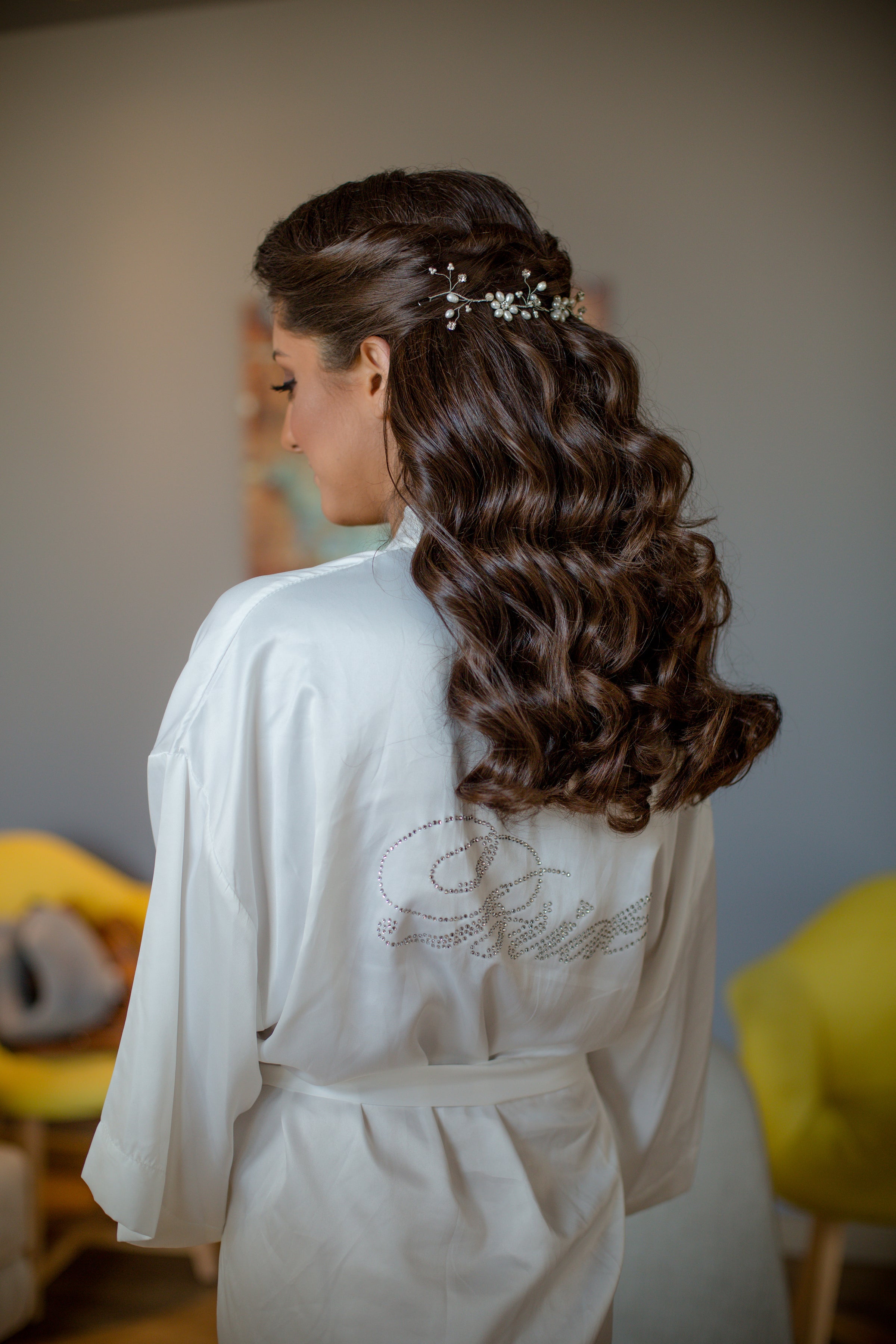

Fine hair can be frustrating – flat, fragile, and often resistant to volume no matter how you style it. If you’ve ever worried that hair extensions might look obvious, feel heavy, or even damage your already delicate strands, you’re not alone.
In this guide, we break down the best type of hair extensions for fine hair, including options that blend seamlessly, stay lightweight, and protect your natural strands, so you can finally get fuller hair without the stress.
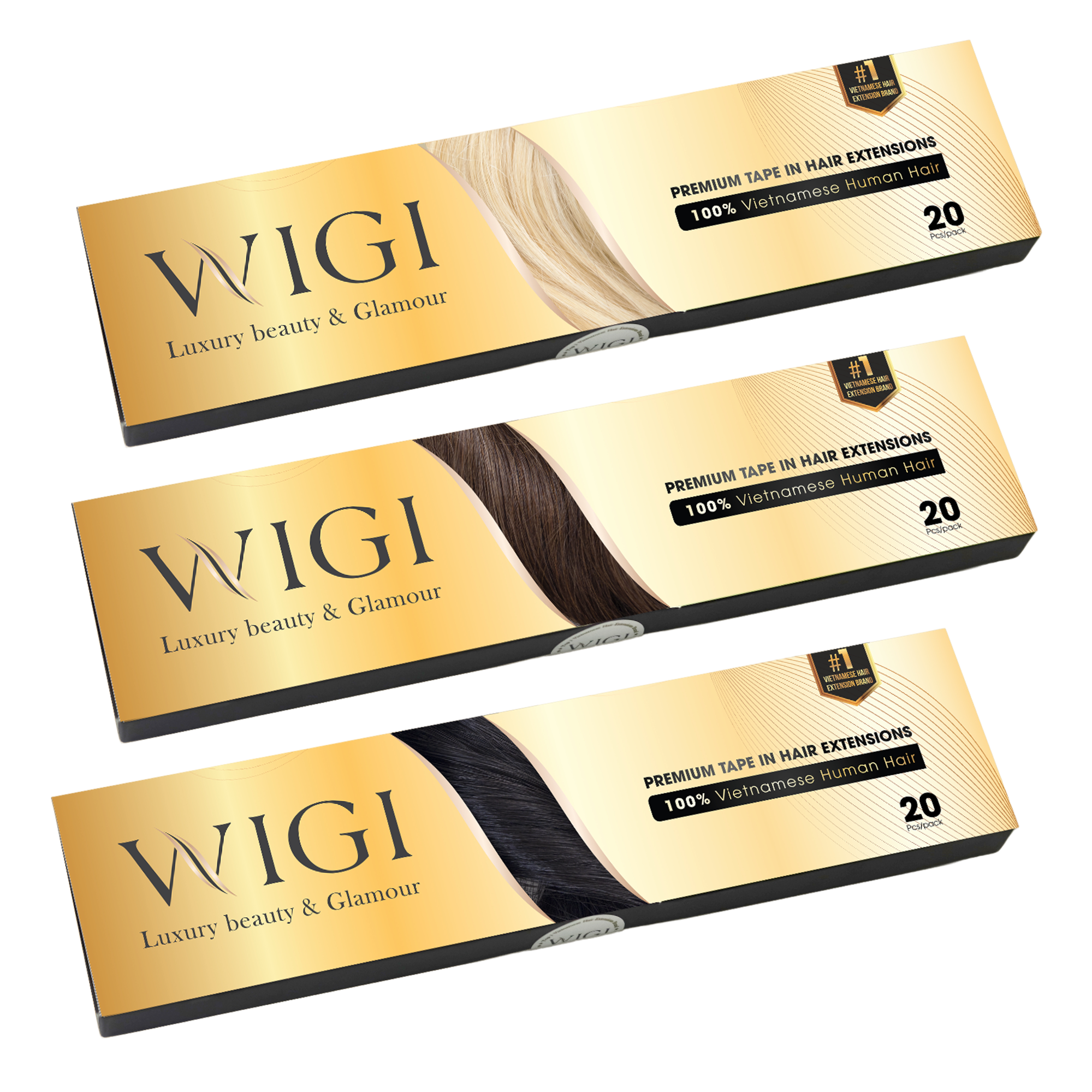
Tape-in extensions are considered the top choice for fine hair because they solve the biggest technical issue: how weight is distributed at the root.
Instead of attaching hair in small, heavy points, tape-ins use a flat adhesive panel that spreads the load across a wider section. This reduces pressure on individual strands, which is essential for fine hair.
Why they work for fine hair:
What you need to know: Tape-ins are highly dependent on correct sectioning.
Best for: Daily wear, natural volume, and anyone who wants extensions that feel “invisible” over time.


Hand-tied wefts are often chosen when the goal is simple: extensions that no one can detect – even up close. What makes them stand out is their handcrafted structure. Because they are sewn by hand (not machine-made), the weft is significantly thinner and more flexible, allowing it to contour closely to your scalp.
Why they work for fine hair:
What you need to know:
This method depends heavily on the foundation row (beads + stitching). If installed too tight, it creates constant tension – something fine hair does not tolerate well.
Best for: Those who want a luxury, natural look and are working with an experienced stylist.
Not all fine hair is evenly thin. Most people have weaker areas, especially around the front or edges of the hair. Micro-bond and I-tip extensions are one of the few methods that allow true customization, because they are applied strand by strand.
Why they work for fine hair:
What you need to know:
Each bond carries its own weight. If too heavy or too many are added, fine hair will weaken over time. The key here is restraint and smart placement—not volume overload.
Best for: Targeted correction, hairline refinement, and advanced customization.
Wire hair extensions (often called halo-style) are ideal if your priority is zero damage. Instead of attaching to your hair, they sit on your head using a thin, transparent wire, while your natural hair covers the top layer. This completely removes tension from your roots.
Why they work for fine hair:
What you need to know:
These extensions attach directly to your hair using a thin wire, blending seamlessly with your natural hair. However:
Best for: Quick, safe solutions for adding length and volume, especially for fragile or thin hair.
Clip-in extensions can be ideal for fine hair when they use thin wefts and silicone-lined clips that hold securely without pulling. They allow flexible, temporary volume and are easy to wear or remove at home. Overuse in the same areas should be avoided to prevent stress on fragile strands.
Why they work for fine hair:
What you need to know:
Even the best clip-ins shouldn’t be worn daily on fine hair. Repeated tension in the same areas can weaken strands over time.
Best for: Temporary volume, flexible styling, and at-home use.
When choosing extensions, the first question many ask is, “what is the best hair type for extensions?” The answer is simple: 100% human hair. Unlike synthetic fibers, human hair retains its natural cuticle, ensuring it moves, shines, and blends seamlessly with your own strands. For fine hair, this is especially important, as only high-quality human hair can mimic natural volume and softness without weighing down delicate roots.
For fine or fragile hair, only premium human hair provides the soft texture, lightweight feel, and natural flow needed for invisible blending. This ensures extensions sit flush against your scalp, move naturally, and avoid causing tension or damage.
All WIGI Hair products are 100% human hair sourced from Vietnam, a country known for naturally strong, healthy hair and skilled artisans who craft each piece by hand. At WIGI, no shortcuts are taken: each extension preserves the hair’s softness, strength, and natural beauty. Our meticulous process ensures premium, long-lasting results that feel and look like your own hair.
Further reading: Synthetic vs Human Hair Wigs and Extensions: How to choose, Pros and Cons
After learning about types of extensions for fine hair, the next step is identifying which suits your hair best. Let WIGI Hair help you consider key factors that make choosing the right extension simple and effective:
Use this table to quickly match your hair goals with the right extension type. It explains not only which extension works best but also why it’s ideal for fine hair.
| Your Goal | Best Option | Why It Works |
|---|---|---|
| Safe, everyday wear | Tape-In Extensions | Even weight distribution, natural and reliable |
| Invisible, high-end finish | Hand-Tied Wefts | Ultra-thin, blends seamlessly |
| Add volume and length to fine hair | Micro-Bond / I-Tip | Precise, strand-by-strand application in stronger areas |
| No damage at all | Wire Hair Extensions | Uses clips for secure attachment, no tension or damage |
| Flexible, occasional use | Clip-Ins (thin hair) | Easy, lightweight, removable |
Q1. Can I wear hair extensions every day with fine hair?
Yes, but choose lightweight options like tape-ins or hand-tied wefts and avoid heavy wefts that can pull or damage fragile strands. Rotate wear and follow care instructions for best results.
Q2. Which type of extensions blend best with fine, straight hair?
Tape-ins, hand-tied wefts, or micro-bonds blend seamlessly with straight or silky textures due to their thin, flat construction and customizable placement.
Q3. Are clip-in extensions safe for fine hair?
Yes, if you select thin wefts with silicone-lined clips. They provide grip without pulling, but should not be worn daily to prevent tension on delicate roots.
Q4. How often should I remove or maintain extensions at home?
Tape-ins: every 4–8 weeks for repositioning. Micro-bonds/I-tips: rotate placement every few weeks. Clip-ins can be removed daily. Always brush carefully near attachment points.
Q5. How do I choose the right weight and density for fine hair?
Pick extensions close to your natural hair thickness (e.g., 10–12 tape-in pieces). Layer gradually to build volume naturally without stressing roots.
Q7. Which extensions are best for occasional events or parties?
Clip-ins or wire (halo) extensions are perfect for temporary styling. They’re easy to apply and remove, lightweight, and don’t stress your natural hair.
Also worth exploring: The Ultimate Guide to Hair Extension Care: Tips, Products, and Best Practices
Finding the right extensions for fine hair is all about balance, choosing the right weight, type, and how often you wear them. With the options and tips above, you can enjoy fuller, natural-looking hair that feels light and comfortable. If you’re unsure, WIGI Hair can help you pick the style that fits your hair and lifestyle perfectly.
Explore at-home hair extensions from WIGI Hair, where every strand is 100% human hair, carefully selected for natural texture and durability. Each set is prepared after your order to ensure freshness and consistent quality. With the right type and method, achieving fuller, longer, and natural-looking hair becomes easy, reliable, and stress-free.


Leave a comment