WIGI HAIR
WIGI HAIR
Bring BEAUTY to your life


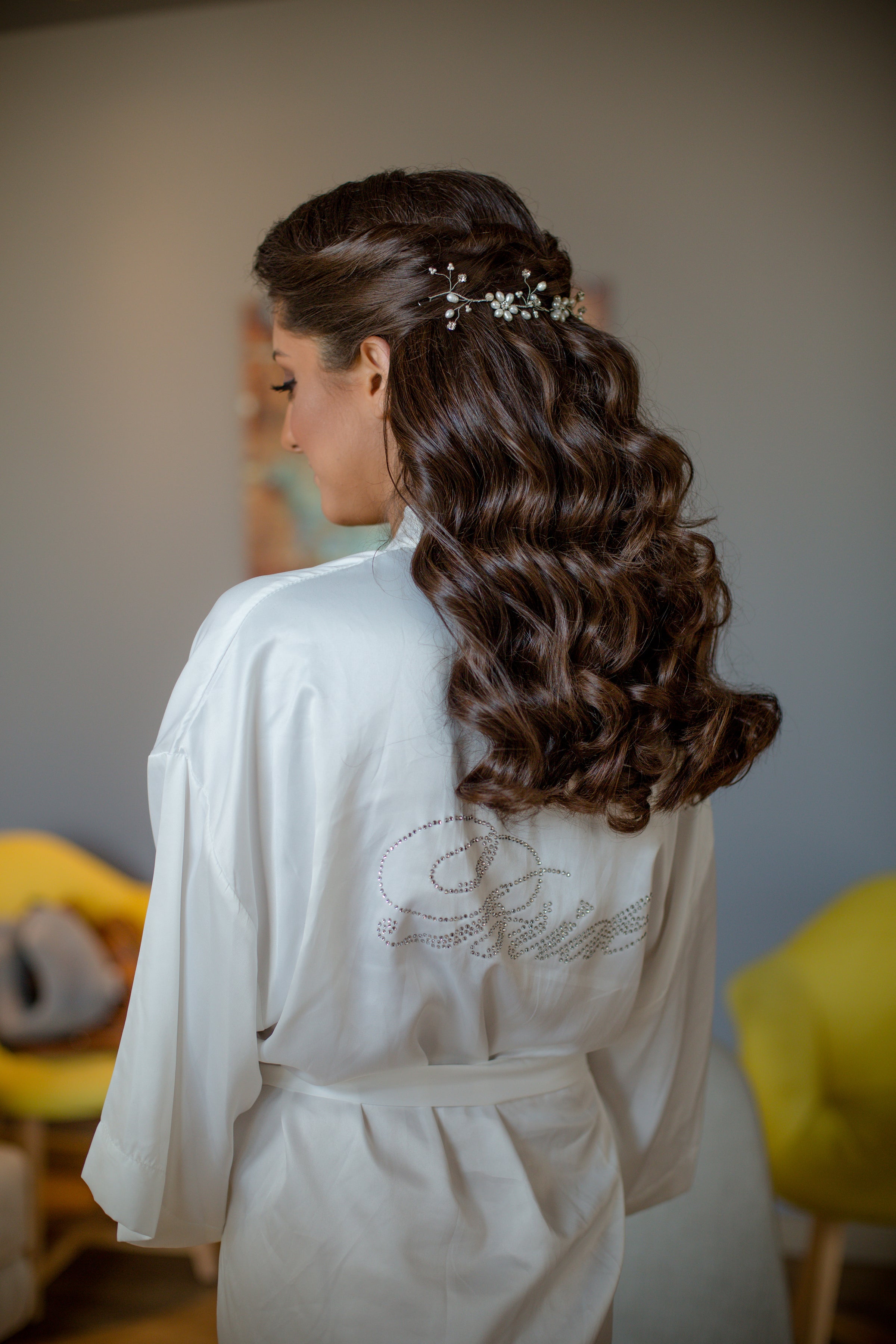

Hair loss changes more than your appearance — it affects how you feel every time you look in the mirror. If you’re searching for wigs for hair loss, you’re not just looking for hair. You’re looking for comfort, security, and the confidence to feel like yourself again.
A well-chosen wig should blend seamlessly with your natural look, feel light enough for all-day comfort, and stay securely in place without worry. Below, you’ll find the best wigs designed specifically for hair loss—carefully selected to help you feel confident, comfortable, and completely yourself again.

Before you choose a wig, you ned to understand your specific hair loss situation. This is not just a medical detail — it directly determines what type of construction, material, density, and cap design will feel comfortable on your scalp.
Many people make the mistake of choosing a wig based purely on style. But when dealing with hair loss, comfort and scalp health must come first. A wig that looks beautiful but causes itching, pressure, or slipping will only add stress.

Different hair loss cases require different solutions. Here’s how your condition influences the type of wig you should consider:
1. Chemotherapy-Related Hair Loss: Hair loss from chemotherapy is often sudden and complete. The scalp becomes extremely sensitive due to treatment. In this case, you need:
Ultra-soft cap construction
Seamless interior (no rough stitching)
Lightweight design to avoid pressure
Breathable materials to reduce heat buildup
Hand-tied caps or medical-grade wigs are ideal because each hair is individually tied, allowing natural movement while minimizing friction against the scalp.
2. Alopecia (Partial or Total): Alopecia can range from small bald patches to complete hair loss. If you have total hair loss (alopecia totalis), full-cap wigs specifically designed for individuals experiencing complete hair loss.
If you have patchy hair loss, you may prefer:
Monofilament tops for realistic parting
Lace fronts for natural hairlines
Lower density for a subtle, believable look
3. Hormonal or Postpartum Hair Loss: This type is usually temporary and affects hair density rather than causing complete baldness. Many women choose:
Lightweight wigs with natural density
Styles that mimic their previous haircut
Synthetic options for easier maintenance
You don’t necessarily need a medical wig, but you do need one that blends naturally with your facial features and feels breathable.
4. Male and Female Pattern Hair Loss: Gradual thinning requires realism above all. The biggest concern is undetectability. In this case:
Lace front or full lace construction works best
Lower density prevents an artificial appearance
Natural hairlines are critical
Understanding your case helps you avoid wasting money on wigs that are not built for your specific needs.
Standard fashion wigs are not engineered for sensitive or fully exposed scalps. They are typically constructed for occasional wear rather than daily, long-term use. Common problems include:
Bulky Machine-Wefted Caps: Traditional wigs use thick wefts sewn onto structured caps. Without natural hair underneath, these can create pressure points and discomfort.
Limited Breathability: Dense fiber placement restricts airflow, leading to overheating during extended wear.
Rough Interior Stitching: Small seams may feel insignificant when worn over natural hair. On a bare scalp, they can cause irritation within hours.
Insecure Fit: Many regular wigs rely on clips that attach to existing hair. For individuals with significant hair loss, these clips provide little stability.
This is why specially constructed best wigs for hair loss focus on cap softness, flexibility, and lightweight comfort above all else.
Selecting the best wigs for hair loss means focusing on features that impact real, everyday comfort — not just appearance. Construction, weight, breathability, and fit all determine whether a wig feels wearable for hours at a time. Below are the key factors you should consider when choosing wigs for hair loss.

Cap design is the most important factor in overall comfort. A lightweight, breathable cap reduces pressure, prevents overheating, and protects sensitive scalps — making it essential for long-term daily wear.
Lace Caps: Each strand is individually tied into soft mesh material. This eliminates heavy seams and allows natural movement. The result is a flexible, scalp-friendly interior ideal for sensitive skin.
Cap PU: These create the illusion of natural hair growth from the scalp. You can part the hair in multiple directions, making styling more realistic.
Lace Front Wigs: Lace fronts replicate a natural hairline. The transition from forehead to hair appears gradual rather than blunt.
When evaluating wigs for hair loss, gently turn the wig inside out. The softer and more seamless the interior, the better it will feel for long wear.

Choosing between human hair and synthetic fiber depends on lifestyle and expectations. Human hair offers the most natural movement and styling flexibility, while high-quality synthetic wigs provide convenience and hold their shape with minimal effort. Your decision should reflect how much time you want to spend on maintenance and how often you plan to wear the wig.
Human Hair Wigs
Advantages:
Most natural look and movement
Can be heat styled
Longer lifespan with proper care
Considerations:
Require styling after washing
Higher cost
Sensitive to humidity
High-Quality Synthetic Wigs
Advantages:
Hold their style permanently
Lower maintenance
More affordable
Considerations:
Limited heat styling (unless heat-friendly fiber)
Slightly shorter lifespan with daily wear
For beginners exploring a wig for hair loss, premium synthetic wigs often provide an easier starting point due to minimal upkeep.
Further reading: Synthetic vs Human Hair Wigs and Extensions: How to choose, Pros and Cons

Security provides psychological comfort. Constantly adjusting your wig can undermine confidence. A well-fitted wig should feel stable without tightness, offering gentle grip and balanced support so you can move naturally without worrying about shifting or discomfort.
Look for:
Adjustable internal straps
Silicone-lined perimeters for gentle grip
Elastic comfort bands
Lightweight construction to prevent shifting
Avoid overly tight caps. A properly measured wig should feel secure without causing tension headaches.
To measure correctly, use a soft tape measure around your hairline, behind your ears, and at the nape of your neck. Compare your measurements to the brand’s size chart rather than assuming a standard size.

For women, hair is not simply aesthetic — it frames the face, softens expressions, and shapes personal style. When hair loss occurs, the biggest concern is often not just coverage, but whether the wig will look natural, feel lightweight, and truly reflect who you are.
Choosing the right hair loss wigs for women means prioritizing realism, comfort, and effortless wear — so the wig feels like part of you, not something you’re hiding behind.
Key Features Women Should Prioritize:
Natural Density: Excessive volume can make the wig look artificial. Medium-to-light density better mimics natural growth.
Face-Framing Layers: Soft layers create movement and reduce heaviness around the face.
Realistic Hairline Construction: A lace front allows for natural styling, including tucking hair behind the ear.
All-Day Wear Comfort: Breathable materials prevent overheating during long workdays or social events.
Recommended Styles:

Shoulder-length layered cuts for versatility
Classic bobs for low maintenance
Long, soft waves for natural elegance
The best female wigs for hair loss enhance your natural features rather than transform them dramatically.
Q1. What type of wig is best for complete hair loss?
Hand-tied wigs with soft caps provide maximum comfort and natural appearance.
Q2. Can wigs for hair loss be worn daily?
Yes. Choose breathable designs and maintain scalp hygiene for long-term comfort.
Q3. How long do they last?
Synthetic wigs typically last 4–6 months with daily wear. Human hair wigs may last 12 months or longer with proper care.
Q4. Are they suitable for sensitive scalps?
Yes — provided you choose lightweight, seamless cap construction specifically designed for hair loss.
Also worth exploring: How to Choose a Wig: Tips for Face Shape, Size, and First-Time Buyers
Choosing the right wigs for hair loss is ultimately about restoring confidence through comfort and natural appearance. The best option should feel secure without pressure, look realistic in any setting, and allow you to go about your day without hesitation.
We hope that after reading this guide, you feel more informed and empowered to find the wigs for hair loss that truly suit you — helping you look natural, feel comfortable, and confidently be yourself again.
If you’re ready to take the next step, explore WIGI Hair’s premium collection of 100% human hair wigs — thoughtfully designed for comfort, realism, and long-term wear. Each piece is crafted to provide lightweight construction, natural density, and a secure fit for those experiencing hair loss.
Whether you’re looking for a semi-permanent solution or a temporary style refresh, WIGI offers carefully constructed wigs that help you maintain effortlessly beautiful hair — without compromising comfort or confidence.


Leave a comment