WIGI HAIR
WIGI HAIR
Bring BEAUTY to your life


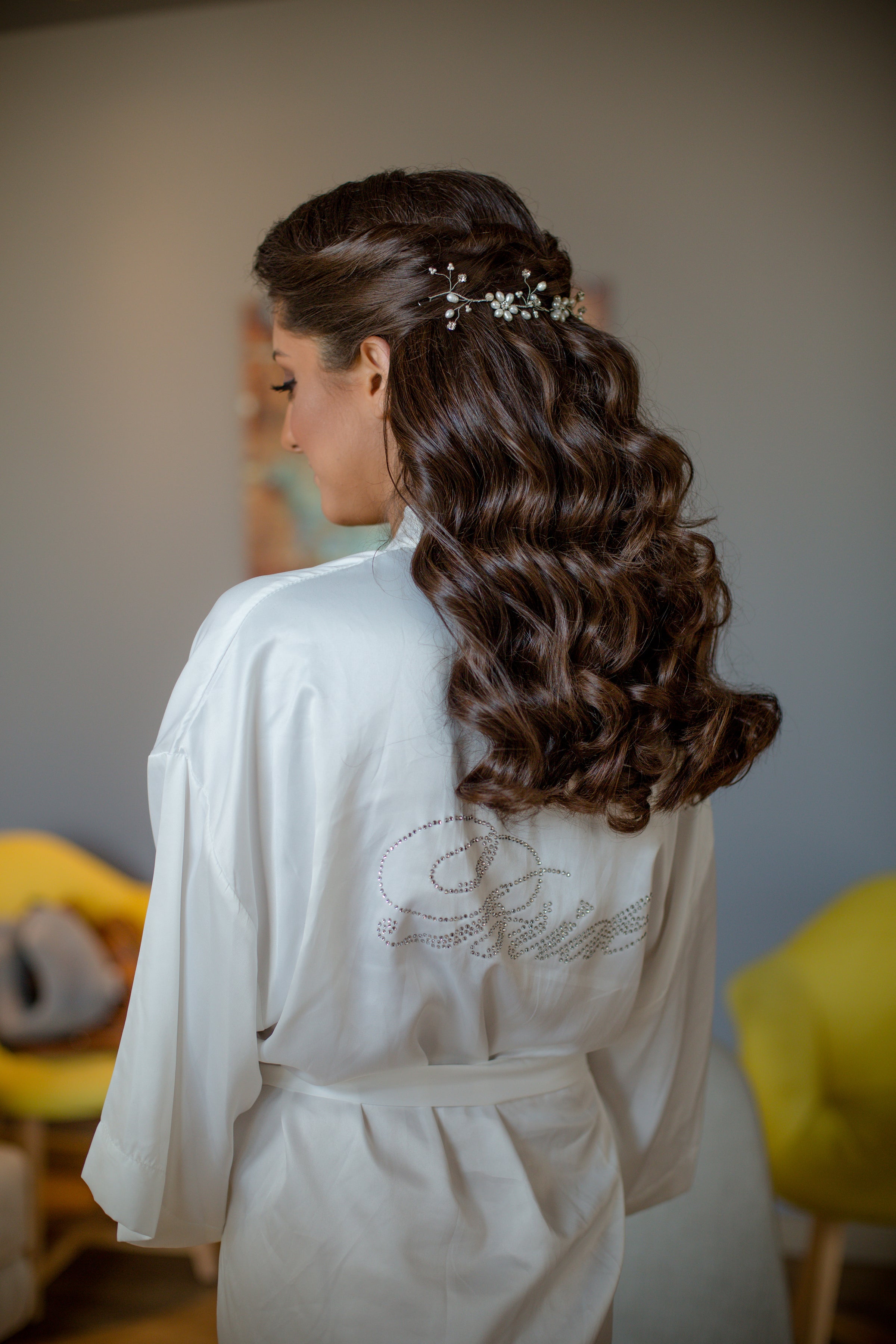

When it comes to hair extensions, two popular options stand out: Tape In and Clip In extensions. But which one is better for those with thin or fine hair? In this article, we’ll explore the pros and cons of both types to help you make an informed decision. Whether you’re looking for long-lasting results or a quick, temporary fix, we’ve got you covered. Let’s dive into how each option works, their benefits, and which one will give your thin hair the volume and thickness it deserves.

Tape-in hair extensions are a popular method for adding length and volume by attaching extensions using high-quality adhesive tape. The extensions are applied by sandwiching small sections of your natural hair between two strips of medical-grade tape, creating a seamless, natural look.
How Tape In Extensions Work:
A professional stylist applies tape-in extensions in thin layers, securely bonding them to your hair.
The tape is lightweight and flexible, lying flat against the scalp to blend seamlessly with your natural hair. Tape-ins typically last 6 to 8 weeks before needing to be repositioned as your hair grows.

Natural Look: Lightweight and flat, tape-ins blend seamlessly with fine or thin hair, creating a virtually undetectable effect.
Long-Lasting: With proper care, tape-ins can last 6 to 12 months, with adhesive replacement every 4-8 weeks.
Comfortable: Tape-ins are lightweight, adding minimal weight to your hair, making them comfortable to wear.
Versatile: Ideal for various hairstyles, from sleek ponytails to voluminous waves, without the extensions showing.
Time-Saving: Once applied, tape-ins require minimal maintenance and don’t need to be removed regularly, unlike clip-ins, which require daily installation and removal.
Initial Cost: While the extensions themselves are affordable, professional application can add to the cost.
Regular Maintenance: Tape-ins need repositioning every 4-8 weeks, which requires time and effort.
Potential Tension: Improper application can cause tension on fine hair, leading to discomfort or breakage.
Not for Very Short Hair: Tape-ins are best for those with medium to long hair; very short hair may not blend well.
Temporary Sensation: Some may feel slight heaviness when first applied, though this usually diminishes over time.
Ideal For:
People with Fine or Thin Hair: Tape-ins add natural volume and thickness without creating bulk.
Those Seeking a Semi-Permanent Solution: Tape-ins last 6-8 weeks, making them great for longer-term enhancement.
Medium to Long Hair: Best suited for those with medium to long hair for a seamless blend.
Natural Look Seekers: Ideal for those who want a discreet, natural-looking extension.
Tape-in extensions are a great option for those who prefer a longer-lasting solution but may not be the best choice for very short or extremely fine hair.
Read more: How to Safely Take Out Tape In Hair Extensions at Home

Clip-in hair extensions are a temporary solution for adding volume, length, and thickness. Made from strips of hair with small clips sewn into them, they are easily attached to your natural hair for a quick transformation. Perfect for those seeking a temporary style boost without professional help.
How Clip-In Extensions Work:
Simply section your hair, open the clips, and clip them near the scalp. The extensions stay securely in place, adding instant volume and length. Once done, they are easily removed, making them ideal for occasional use.

Ease of Use: Quick to apply and remove at home, no professional help needed.
Versatility: Available in various lengths, colors, and textures, clip-ins can suit any style.
No Chemicals or Heat: No adhesives or heat tools required, making them safer for your hair.
Temporary & Flexible: Perfect for special occasions or changing up your look. Easily removable when not needed.
Long-Lasting: With proper care, they can last 6-12 months and be reused multiple times.
Not for Long-Term Use: Must be removed daily, making them impractical for continuous wear.
Discomfort: If not secured properly, clip-ins may cause tension, discomfort, or headaches.
Visible Clips: Improper placement or fine hair may expose the clips, ruining the natural look.
Requires Careful Application: Must be clipped in securely to avoid slipping or discomfort.
Not Ideal for Fine or Short Hair: Works best on medium to thick hair; short or fine hair may have trouble blending.
Ideal For:
Medium to Thick Hair: Best for adding volume and length to thicker hair types.
Temporary Use: Great for special events or photoshoots where a quick style change is needed.
Flexibility: Offers control over when and how often you wear them.
Low Maintenance: No adhesives or chemicals required, making them a low-maintenance option.
Clip-ins may not be ideal for those with fine hair or hair loss, as they may not stay securely in place or blend naturally.

When comparing tape-in and clip-in hair extensions for thin hair, the best option depends on your individual preferences, hair goals, and lifestyle.
Tape In Extensions: Once applied, they stay in for 6-8 weeks, making them ideal for those who don’t want to worry about reapplying extensions frequently.
Clip In Extensions: Clip-ins are temporary and need to be removed at the end of each day. While this can be a benefit for those who prefer to only wear extensions occasionally, it’s less practical for long-term use.
Tape In Extensions: Tape-ins are lightweight and lie flat against the scalp, providing a more natural and comfortable fit for thin hair. They don’t add significant weight to the hair, making them more comfortable for daily wear.
Clip In Extensions: Clip-ins can feel bulky and heavy, especially if you use multiple clips. If not applied properly, they can also cause discomfort by pulling on the natural hair.
Tape In Extensions: Tape-in extensions provide seamless volume and are ideal for those looking to add thickness without creating too much bulk. The extensions blend naturally with your hair, providing a fuller look.
Clip In Extensions: Clip-ins can give immediate volume, but they may not always look as natural on thin hair. If not clipped in properly, they can also cause an unnatural bulge or be visible.
Tape In Extensions: Tape-in extensions require more maintenance, including regular salon visits for repositioning as your natural hair grows.
Clip In Extensions: Clip-ins are low-maintenance and can be used as needed without professional help. However, they must be carefully stored to avoid tangling and damage.
Read more: Can You Get Hair Extensions on Short Hair? Here’s What Actually Works

Choosing between tape-in and clip-in extensions comes down to your personal preferences, lifestyle, and the look you're going for.
Go for Tape In Extensions if:
You want a time-saving option.
You prefer a more natural, seamless look.
You’re comfortable with the initial cost and salon visits.
You have fine to medium hair and want extensions that are light and comfortable.
Go for Clip In Extensions if:
You want flexibility and versatility.
You’re looking for a temporary, easy-to-apply solution.
You prefer to wear extensions only on occasion.
You’re on a budget and don’t mind reapplying them as needed.

Q1. Can tape-in extensions damage thin hair?
When applied and maintained properly, tape-in extensions are less likely to cause damage than other methods. However, improper application or frequent re-taping can cause tension on the hair, leading to breakage.
Q2. How long do clip-in extensions last on thin hair?
Clip-in extensions can last up to a year or more with proper care. However, they are temporary and need to be removed each day.
Q3. Are there any alternatives to tape-in and clip-in extensions for thin hair?
Other options include fusion extensions, micro-link extensions, and halo extensions, each of which may offer benefits for fine hair, depending on your needs.
Whether you choose tape-in or clip-in hair extensions, both can enhance the volume and length of your fine hair. Tape-ins offer a more permanent, seamless solution, while clip-ins give you the flexibility to change your look whenever you want. Consider your lifestyle, budget, and how much time you're willing to dedicate to maintenance when making your decision. With the right choice, you’ll enjoy thicker, fuller hair that enhances your confidence and style.

Now that you understand the key differences between tape-in and clip-in hair extensions, you’re better equipped to choose the method that fits your style and lifestyle. If you're looking for natural, long-lasting results with full styling flexibility, WIGI Hair's 100% human hair extensions offer both tape-in and clip-in options to suit your needs.
Explore WIGI’s premium collection of ready-to-wear human hair extensions today. Whether you prefer a semi-permanent solution or a temporary style boost, WIGI has the perfect option to elevate your look and maintain effortlessly beautiful hair.


Leave a comment