WIGI HAIR
WIGI HAIR
Bring BEAUTY to your life


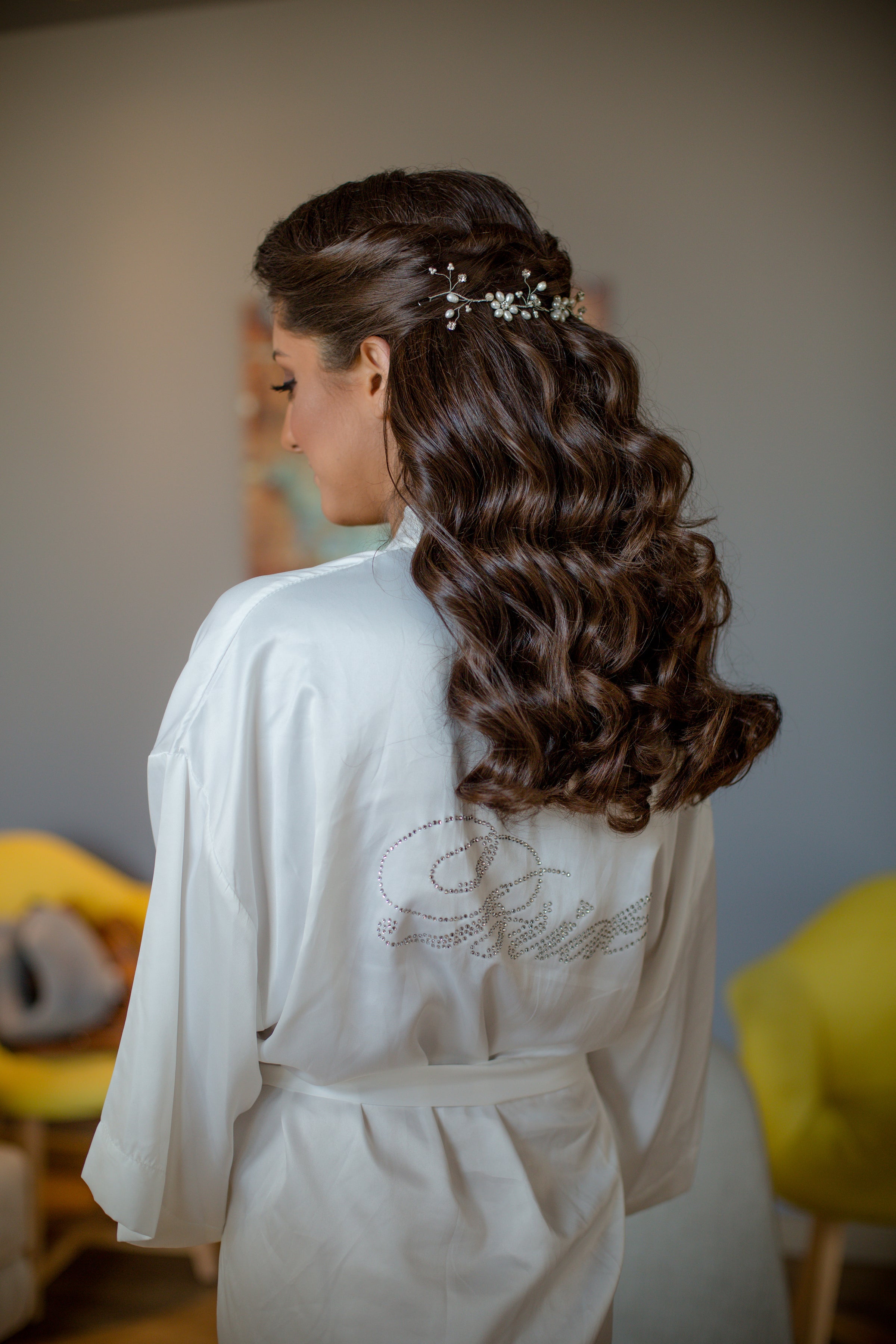

Terms like "single drawn" and "double drawn" pop up everywhere, yet many buyers purchase bundles without realizing how these sorting methods actually affect volume, thickness at the ends, and overall price.
To clear up any confusion, WIGI Hair breaks down these exact differences to help you accurately evaluate hair quality before making a purchase and ensures your investment matches your styling goals.

Single drawn hair represents the most standard method of collecting and bundling human hair. When hair is cut from a donor, it naturally contains a mix of different lengths because our natural hair grows and sheds at different rates.
In a single drawn bundle, this natural variation is left largely intact. Typically, only about 50% of the hairs in the bundle will meet the exact length stated on the package, while the remaining strands are a mixture of shorter lengths.

Defining features: The most noticeable trait is the natural taper. The bundle will feel quite thick and heavy at the top near the weft, but it gradually thins out as you move toward the tips.
Visual impact: Because it tapers off, this type of hair mimics the exact growth pattern of your own natural hair. The result is a softer, highly organic look at the ends. It moves fluidly and blends easily without looking overly harsh or blocky.
Best suited for: This is an excellent choice for buyers seeking a budget-friendly option, as the manufacturing process requires less labor and less raw material.
It is also ideal if you prefer a lightweight, natural-looking finish without heavy, blunt ends, or if you plan to have a stylist heavily layer the hair anyway.
Double drawn hair undergoes an intensive, often manual, sorting process to create a vastly different silhouette. Workers painstakingly comb through the raw hair to remove the majority of the shorter strands before the hair is sewn into a weft or made into a wig.
As a result, approximately 80% to 90% of the hairs in a double drawn bundle are the exact stated length.

Defining features: Because the shorter hairs are removed, the bundle maintains consistent thickness from the root all the way down to the tip. There is virtually no tapering.
Visual impact: This method creates rich, uniform volume. The ends look dense, full, and distinctly polished, giving off a sharp, straight-out-of-the-salon appearance.
Best suited for: Buyers looking for a sleek, voluminous look that commands attention. While the initial cost is higher due to the intensive labor and large amount of raw hair required, you often need fewer bundles to achieve full, opaque coverage compared to single drawn options.
Further reading: Top 5 Different Types of Hair Extensions: Costs, Methods & Styles

|
Feature |
Single Drawn Hair |
Double Drawn Hair |
|
Volume Distribution |
Thick at the roots, gradually thinning toward tapered tips. |
Consistent, even thickness from root to blunt tips. |
|
Bundle Weight & Density |
Feels lighter overall. The density is concentrated at the top. |
Feels noticeably heavier. Density is balanced throughout the entire length. |
|
Cost |
More accessible and budget-friendly. |
Higher investment due to labor and raw material costs. |
Beyond the visual look and feel in your hands, how each type interacts with your natural hair dictates your styling routine. Single drawn hair blends effortlessly into naturally fine or layered hair, requiring minimal cutting to look realistic.
Conversely, double drawn hair can sometimes look unnatural if your own hair is fine; a stylist may need to texturize the ends slightly so the thick extensions do not create a visible shelf against your natural hair.
Tips: If you want length but have thin natural hair, single drawn extensions often put less tension on your natural roots due to their lighter weight.
If you ever find yourself struggling to determine the right length for your look, WIGI Hair has put together a detailed guide on this exact topic, which you can explore right here: Hair Extension Length Chart: Find Your Perfect Hair Length
Online photos can easily trick you, leaving you guessing about the true quality of a hair bundle until it arrives at your doorstep. To make sure you never end up paying top dollar for hair that turns out thin and sparse, you can try a few simple, hands-on checks that WIGI Hair recommends right below to verify what you are actually buying.

Hold the bundle up against a solid, light-colored background (like a white wall or piece of paper) and spread the hair strands out slightly. Look directly at the bottom two inches of the bundle.
With single drawn hair, you will see a significant amount of light passing through the ends. With double drawn hair, the bottom edge should look nearly as solid and dark as the mid-shaft, forming a blunt line.
Grip the bundle firmly just below the weft with one hand, and use your other hand to slide down the length of the hair. Pay close attention to how the mass of hair feels inside your fist.
If you feel a sharp drop-off in density around the middle of the bundle, you are handling single drawn hair. If the thickness remains robust and fills your hand all the way to the bottom, the hair has been properly double drawn.
Examine the top where the hair is sewn. Sometimes, lower-quality single drawn bundles pack an excessive amount of short, broken hairs right at the weft to make the bundle feel heavy, which creates an uncomfortable, bulky track on your scalp.
A high-quality double drawn bundle will hold a balanced weight – meaning the weft is neat and flat, yet the ends remain thick and substantial.
It is generally best to stick with one type for a single installation. Mixing them can create an uneven look, as the distinct contrast between the heavy, blunt ends of double drawn hair and the tapered ends of single drawn hair makes it difficult to achieve a seamless blend.
Both types can have a long lifespan if they consist of 100% human hair and receive proper daily care. However, double drawn bundles often maintain their polished, full-bodied appearance slightly longer because they suffer less from thinning ends over time as you wash and style them.
Not necessarily; it depends entirely on your aesthetic preference and budget. While double drawn hair offers a thick, luxurious volume from root to tip, many people actually prefer single drawn hair because its natural taper looks lighter, moves more organically, and costs significantly less.
Choosing between single drawn and double drawn hair ultimately comes down to your personal style goals and budget. Whether you prefer the lightweight, natural movement of single drawn bundles or the sleek, thick volume of double drawn options, understanding these differences ensures you invest wisely.
If you are looking for pure, high-grade options designed for flawless blending and lasting beauty, feel free to explore the collection at WIGI Hair Collection.


Leave a comment