WIGI HAIR
WIGI HAIR
Bring BEAUTY to your life


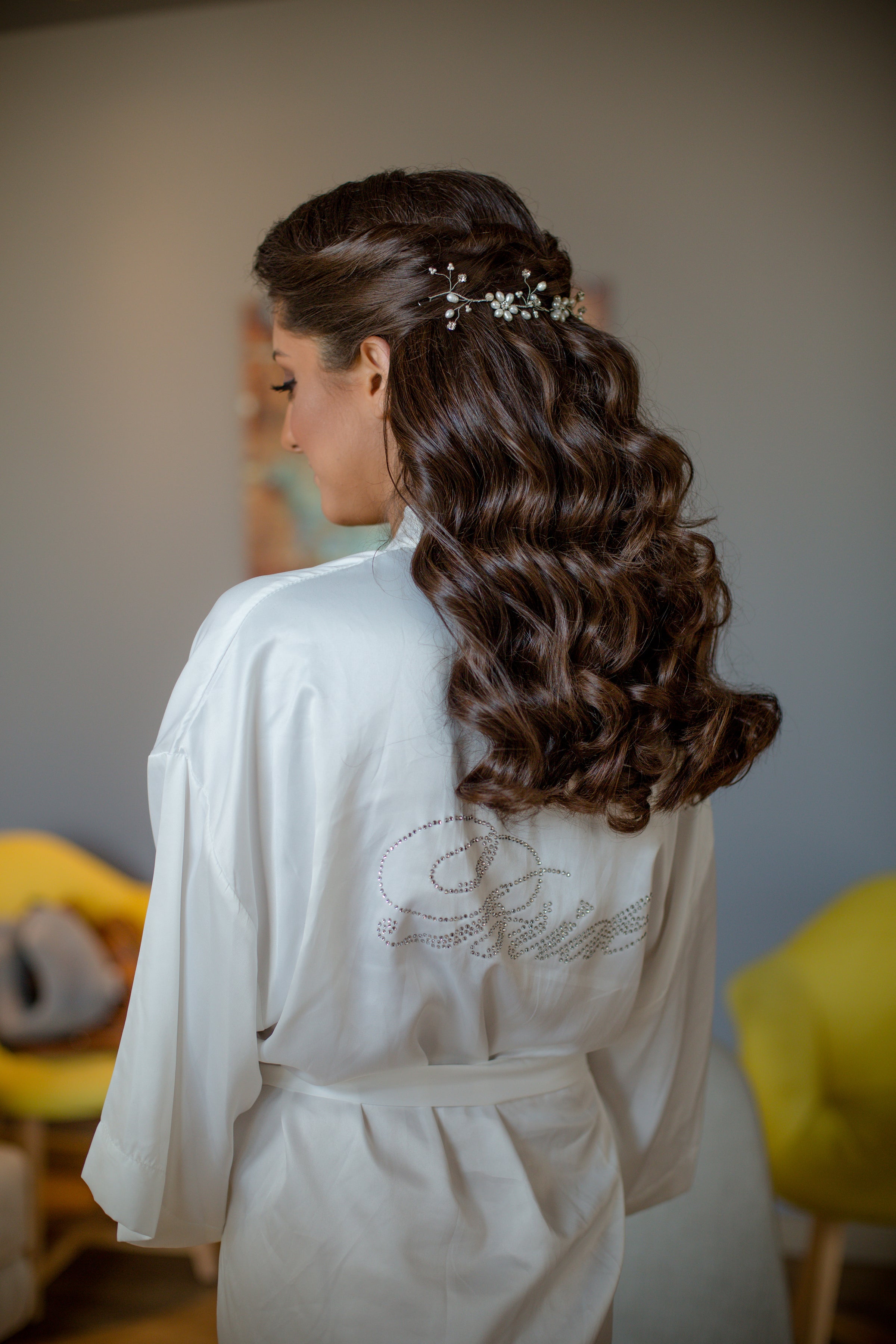

Flat, lifeless hair can make even the best haircut feel unfinished. If your strands lack density, the right hair extensions for volume can instantly transform thin, limp hair into fuller, thicker-looking locks without waiting months for natural growth.
In this guide, we’ll break down the best volume hair extensions for thin or flat hair, show before-and-after results on short styles, and help you choose the right option if you want fuller hair without unnecessary length.

Most people associate hair extensions with length. However, many modern systems are designed primarily to increase density rather than length. These are known as volume hair extensions – extensions placed strategically to make hair appear fuller and more dimensional.
When stylists talk about volume extension hair, they’re referring to extensions that are used to fill gaps in hair density, especially around the crown, sides, and ends. Instead of adding long strands, these extensions add extra hair mass in key areas.
For example:
Someone with shoulder-length hair may add extensions of the same length purely to thicken the ends.
A client with fine layers may use extensions to fill in see-through areas near the bottom.
Short hair can use small wefts to build structure and body.
This approach is particularly common with hair extensions for volume not length, where the goal is to enhance fullness without dramatically changing hairstyle proportions.

The key idea behind volumize hair extensions is layering. When extra strands are blended with your natural hair, they increase the overall density of each section. This affects how the hair behaves:
Hair looks thicker at the roots
Ends appear blunt instead of wispy
Hairstyles hold more structure
Stylists often place the extensions slightly above the heaviest part of the hair, which creates lift and fullness rather than simply adding weight.
Extensions designed for volume are ideal for several hair types:
Naturally fine hair: Some people simply grow thinner strands. Even with healthy hair, the overall density is low. Extensions help create a fuller silhouette.
Hair that looks flat after styling: Fine hair often collapses after blow-drying. Extra strands help maintain shape and body.
Short hair that feels too light at the ends: Many people search for hair extensions short hair volume because short cuts can sometimes appear sparse near the perimeter.
Hair thinning at the crown or sides: Strategically placed extensions can disguise mild thinning by redistributing density.
Not every extension method is suitable for thin hair. Some techniques add too much weight or are difficult to blend. If the goal is volume, the extension type should be lightweight, flexible, and easy to place precisely. Below are the best options for you:

Among all methods, clip-in hair extensions for volume are the easiest starting point. These extensions come in small wefts with discreet clips attached. Instead of installing a full set for length, many people use just two or three narrow wefts to thicken specific areas.
Why they work well for volume:
You control exactly where fullness is added
They are removable, so there is no long-term tension on the hair
Perfect for special occasions or styling days
How to place them for volume:
For thickness rather than length, clips are often positioned:
One weft at the lower crown
One around the mid-head
One near the occipital bone
This layering technique creates a fuller shape without looking artificial.
Best for:
Beginners
Occasional use
People with shoulder-length hair wanting thicker ends

Tape-in extensions are extremely popular because they lie flat against the scalp. This makes them excellent for people who want long-term volume without visible bulk.
Each tape extension is a thin strip of hair attached using medical-grade adhesive. They are used to sandwich a small section of natural hair between two tapes.
Why tape-ins are good for thin hair:
They distribute weight across a wide surface area
The extensions sit very flat, preventing bumps
They blend well even when the hair is worn straight
Tape-ins are often used to create hair extensions for length and volume simultaneously. However, they can also be installed in shorter lengths purely to increase density.
Best for:
People who want semi-permanent volume
Hair that is fine but still strong enough for adhesive

Halo/Wire extensions are an underrated solution for thin hair. Instead of clips or adhesive, the extension sits on a transparent wire that rests around the head like a halo. Your natural hair covers the wire, hiding the extension underneath.
Why Halo/Wire extensions are useful:
Less tension on natural hair compared to traditional extensions.
Extremely fast to apply
Ideal for creating instant thickness
Many people who struggle with traditional extensions prefer halo extensions because they are easier and quicker to put on. While halos distribute the weight differently, most modern designs now include clips, meaning they still attach to the hair.
Best for:
Fragile hair
Beginners who want a simple system
Quick styling

For people seeking dramatic fullness, you can try the method of installing hand-tied wefts. They are thin rows of hair sewn onto tiny beads along the scalp. Compared with machine wefts, hand-tied versions are lighter and more flexible.
Advantages:
Extremely natural movement
Excellent for building density across the entire head
Long-lasting installation
However, this method should always be done by a trained stylist. Poor placement can cause tension or visible rows.
Best for:
People wanting full, salon-level thickness
Long-term wear

Short hair often reveals thinness more easily than long hair. When the ends taper too much, the style can look unfinished or flat. This is why many people search for short hair extensions for volume rather than length.
When volume extensions are installed correctly, several visual improvements appear immediately:
Ends become thicker: Thin hair often forms wispy ends. After extensions, the perimeter looks cleaner and more structured.
Hair holds shape better: Bobs, lobs, and layered cuts rely on density to maintain their silhouette. Extra strands provide that support.
Crown lift improves: Extensions can add body near the crown, preventing the hair from lying flat.
When adding extensions to short hair at home, the goal should be subtle fullness rather than a dramatic transformation. If you plan to buy extensions and install them yourself using clip-ins or tape-ins, start with a small amount of hair and focus on strategic placement.
For example:
A short bob may only need three or four micro-wefts.
A layered cut may require filling the mid-length area.
Very short hair may need blending layers to hide the extensions.
When using clip in hair extensions for volume, place one or two wefts around the back of the head rather than stacking many pieces together. If you choose tape-ins, use narrow sections and leave space between them so the hair moves naturally. Even a few well-placed pieces can noticeably improve volume without making short hair look bulky.
Further reading: Before and After Hair Extensions: Compare Results with Tape, Nano Ring, Halo, Sew-in & More

Choosing extensions for volume is not just about buying thicker hair. In fact, too much extension hair can make fine hair look unnatural. Below are the key factors you need to consider before choosing hair extensions:
Many people assume they need long extensions to create fullness. In reality, density is the key factor.
For thin hair, extensions should typically range between:
80–120 grams for moderate volume
120–160 grams for fuller looks
Even high-quality extensions can look artificial if placed incorrectly. You need to focus on three critical zones:
The occipital area: This is the main anchor point for volume.
Mid-head layers: Extensions here prevent hair from looking flat.
The crown transition: This area must remain lightweight to maintain natural lift.
When selecting hair extensions for volume, matching the hair texture is often even more important than matching the color. If the texture doesn’t blend well with your natural strands, the extensions will stand out no matter how perfect the shade is.
For example:
Too silky: very smooth extensions can slip through fine hair and separate from your natural strands, making the layers look disconnected.
Too coarse: thick or heavy textures may create bulky sections that feel obvious, especially on thin or short hair.
For most people with fine or flat hair, the safest choice is lightweight Remy hair with a similar strand diameter. Extensions that mimic the natural thickness and movement of your hair blend much more easily and create volume without looking artificial.
A common mistake when installing extensions at home is placing too many pieces near the sides of the head. While it may seem like a quick way to add fullness, this placement often creates more problems than benefits.
Overloading the sides can lead to:
Unnatural width, making the hairstyle look wider than intended
Visible clips or tapes, especially when the hair moves
A distorted haircut shape, where the sides look heavier than the back
For natural-looking volume hair extensions, most of the fullness should come from the back and mid sections of the head. These areas provide better coverage and allow the extensions to blend under the top layers of hair.
Even high-quality extensions need proper styling to blend seamlessly with natural hair. After installing clip-ins or tape-ins, styling both together helps create a consistent texture and movement.
Soft waves or loose curls to help the natural hair and extensions mix together
Light layering or trimming if the extensions look too blunt
Volumizing products at the roots to lift natural hair so it matches the added density
These simple techniques help the extensions enhance your hairstyle naturally, adding fullness without making the hair look heavy or overly styled.
Also worth exploring: How Long Should Hair Extensions Last? Everything You Need to Know
By now, you’ve seen how hair extensions for volume can make a noticeable difference for thin or flat hair – especially when the goal is to add fullness rather than simply length. From understanding how volume hair extensions work to choosing the right type, texture, and placement, small decisions can greatly affect how natural the final result looks. The key isn’t to add as much hair as possible, but to select extensions that blend seamlessly with your own hair and enhance the shape of your hairstyle.
Explore WIGI’s premium collection of ready-to-wear human hair extensions today. Made from real human hair and designed for natural blending, these extensions offer an easy way to add soft, believable volume and enjoy thicker-looking hair with confidence.


Leave a comment