WIGI HAIR
WIGI HAIR
Bring BEAUTY to your life


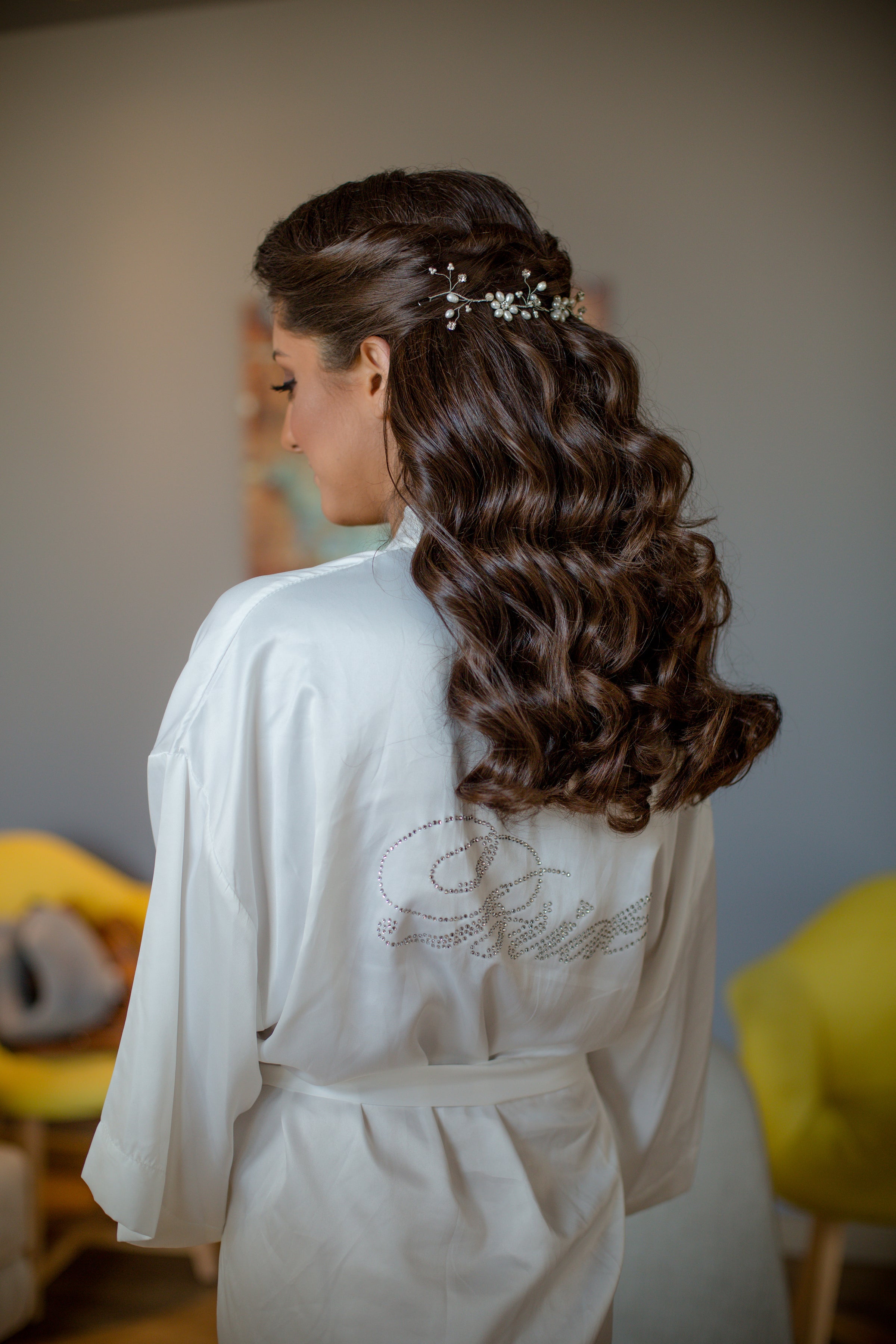

Are you a beginner trying hair extensions but worried about mistakes? Many first-timers end up with extensions that slip, tangle, or even damage their natural hair. The good news is that most of these issues are completely avoidable with a little guidance. In this article, we’ll break down 7 common hair extension mistakes every beginner should avoid, so you can enjoy flawless, healthy, and long-lasting results.

One of the most common hair extension mistakes is selecting the wrong type for your hair texture, thickness, and lifestyle. Beginners often choose extensions based solely on aesthetics or social media trends without considering how the product interacts with their natural hair.
For instance, fine hair may struggle with heavy wefts, while thick hair can handle more volume. Ignoring these factors can lead to discomfort, breakage, or unnatural blending.
Signs of this mistake include:
Extensions pulling on your roots or causing tension headaches.
Hair looking bulky, uneven, or mismatched.
Extensions slipping or failing to blend naturally.
Solutions:
Assess your hair texture, thickness, and lifestyle before purchasing.
Match extension type to your needs: clip-ins for temporary volume, tape-ins for longer wear, Halo extensions for gentle, damage-free wear.
Test a small section first to ensure comfort and blending.
Consult a professional if unsure to avoid costly mistakes.
At WIGI Hair, you can receive free personalized consultation during your entire at-home hair extension selection process. From choosing the right type for your hair texture and lifestyle to guidance on safe application, our experts are here to help you make confident decisions and achieve flawless results without guesswork.

Healthy natural hair is essential before applying extensions. Applying them to dry, brittle, or damaged hair can result in breakage, tangling, or weakened attachment. Many beginners overlook pre-treatment, which is essential for both hair integrity and extension performance.
You may notice this mistake if:
Hair tangling excessively near the roots.
Extensions shifting or looking uneven.
Scalp irritation or itchiness after application.
Solutions:
Deep condition your hair 2–3 days before attaching extensions.
Trim split ends to strengthen the hair base.
Clarify hair to remove product buildup.
Check your scalp; avoid applying extensions over irritation or sensitivity.

DIY mistakes are a frequent hair extension mistake among beginners. Common errors include placing clip-ins too close to the scalp, applying tape-ins to damp hair, or not securing nano rings properly. These mistakes can cause discomfort, uneven results, and premature shedding.
Signs of this mistake include:
Extensions not settling properly, feeling loose, or uneven.
Hair looking clumped or awkwardly arranged.
Pain or tension headaches shortly after application.
Solutions:
Section your hair evenly before attachment.
Use proper tools such as clips, tweezers, and wide-tooth combs.
Attach extensions gently without pulling.
Test for comfort: extensions should move naturally without tugging.
Start with a small section before completing the full set.

Adding too many extensions may seem like a shortcut to volume, but it can harm your hair. Excessive weight strains the roots, causes scalp discomfort, and increases the risk of breakage. Beginners often overestimate how much hair they can safely attach.
You may notice this mistake if:
Scalp soreness or heaviness.
Hair breaking near attachment points.
Extensions appearing bulky or unnatural.
Solutions:
Stick to recommended weight limits: 50–80g for light volume, 100–120g for full coverage.
Distribute extensions evenly across layers.
Avoid stacking multiple wefts in one spot.
Adjust placement if you feel discomfort or tension.

Using shampoos, conditioners, or styling products that are not safe for extensions is a subtle but impactful hair extension mistake. Sulfates, heavy oils, or alcohol-based products can frizz synthetic fibers or weaken bonds. Beginners often apply their regular hair routine without considering the impact on extensions.
Signs of this mistake include:
Extensions frizzing or tangling quickly.
Tape-ins losing adhesion.
Extensions looking dull or lifeless.
Solutions:
Use sulfate-free, pH-balanced shampoos.
Condition only from mid-lengths to ends, avoiding roots and attachment points.
Apply heat protectant sprays when styling.
Avoid harsh chemicals that compromise bonds.
For more hair care tips, read our guide: How to Wash Hair Extensions Properly for Long-Lasting, Natural Beauty

Brushing extensions incorrectly is one of the most common beginner mistakes. Pulling from the roots, using the wrong brush, or skipping regular detangling causes matting, shedding, and hair breakage. Proper maintenance is essential to extend both the health and lifespan of your extensions.
You may notice this mistake if:
Tangling or knotting shortly after styling.
Extensions shedding excessively.
Discomfort or pulling while brushing.
Solutions:
Hold the roots or clips gently while brushing.
Detangle from tips upward gradually.
Use wide-tooth combs or soft-bristle brushes designed for extensions.
Brush daily, focusing on ends first.
Establish a maintenance routine to prevent tangles and matting.

Removing hair extensions too quickly or without proper technique can damage your natural hair – especially with tape-in extensions. Unlike clip-ins, which are temporary and easy to remove, tape-ins use adhesive bonds that require careful removal to avoid breakage and scalp irritation.
Many beginners make the mistake of pulling tape-ins off directly without using a remover to loosen the adhesive first. This can weaken the roots, pull out natural hair, and leave sticky residue behind.
Signs of this mistake include:
Hair breaking or being pulled out during removal.
Scalp soreness or irritation.
Tape residue or adhesive remaining on your natural hair.
Increased shedding after removing tape-ins.
Solutions:
Always use an oil-based or professional tape-in remover to dissolve the adhesive safely.
Separate the tape tabs gently instead of pulling them apart forcefully.
Remove extensions slowly, section by section.
After removal, wash and deep condition your hair to restore moisture.
If you are a beginner, clip-in or Halo extensions may be easier and safer options since they can be removed without adhesive.

Q1: Are DIY extensions safe for beginners?
DIY extensions can be safe if applied carefully. Common mistakes include placing clip-ins too close to the scalp, applying tape-ins on damp hair, or not securing nano rings correctly. Following step-by-step instructions, testing a small section first, and using appropriate tools reduces risk.
Q2: How can I prevent my extensions from tangling or matting?
Proper brushing is key. Always hold the roots or clips while detangling, start from the tips, and work your way up. Use a wide-tooth comb or soft-bristle brush and establish a consistent maintenance routine.
Q3: How should I remove my extensions safely?
For tape-ins, use an oil-based remover to dissolve adhesive slowly. For clip-ins, fully unclip each piece before removing. Remove extensions slowly, working section by section to minimize damage.
After removal, deep condition your hair to restore moisture and strength.
Q4: How often should I wear extensions to avoid damage?
Give your natural hair regular breaks between extension applications. Wearing them continuously without rest can strain the roots and increase breakage. For beginners, temporary clip-ins or Halo extensions are ideal for occasional use while learning proper care techniques.
Q5: Can I sleep with my hair extensions on?
Yes, but how you sleep matters to protect both your natural hair and the extensions. For tape-ins or clip-ins, consider braiding or gently twisting your hair to prevent tangling. Avoid sleeping with wet hair, as it increases friction and matting. Using a silk or satin pillowcase can also reduce friction and keep your extensions looking smooth.
Also worth exploring: Will Hair Extensions Ruin Your Hair? The Truth About Damage and Hair Loss
Hair extensions are an exciting way to enhance length, volume, and style, but beginners must navigate several common pitfalls. By avoiding these 7 hair extension mistakes, you can protect your natural hair, ensure your extensions last longer, and achieve a seamless, natural look.
Remember: Extensions should never cause pain or excessive tension. Careful selection, proper application, and attentive maintenance are the keys to beautiful, healthy hair. Follow these guidelines, and you’ll enjoy the confidence and glamour that come with flawless extensions – without compromising the integrity of your natural strands.
For personalized guidance and to avoid common hair extension mistakes, the WIGI Hair team is ready to help you choose the right extensions for your hair texture, thickness, and lifestyle, making your at-home application safe, easy, and flawless. Contact us today to get expert advice!


Leave a comment