WIGI HAIR
WIGI HAIR
Bring BEAUTY to your life


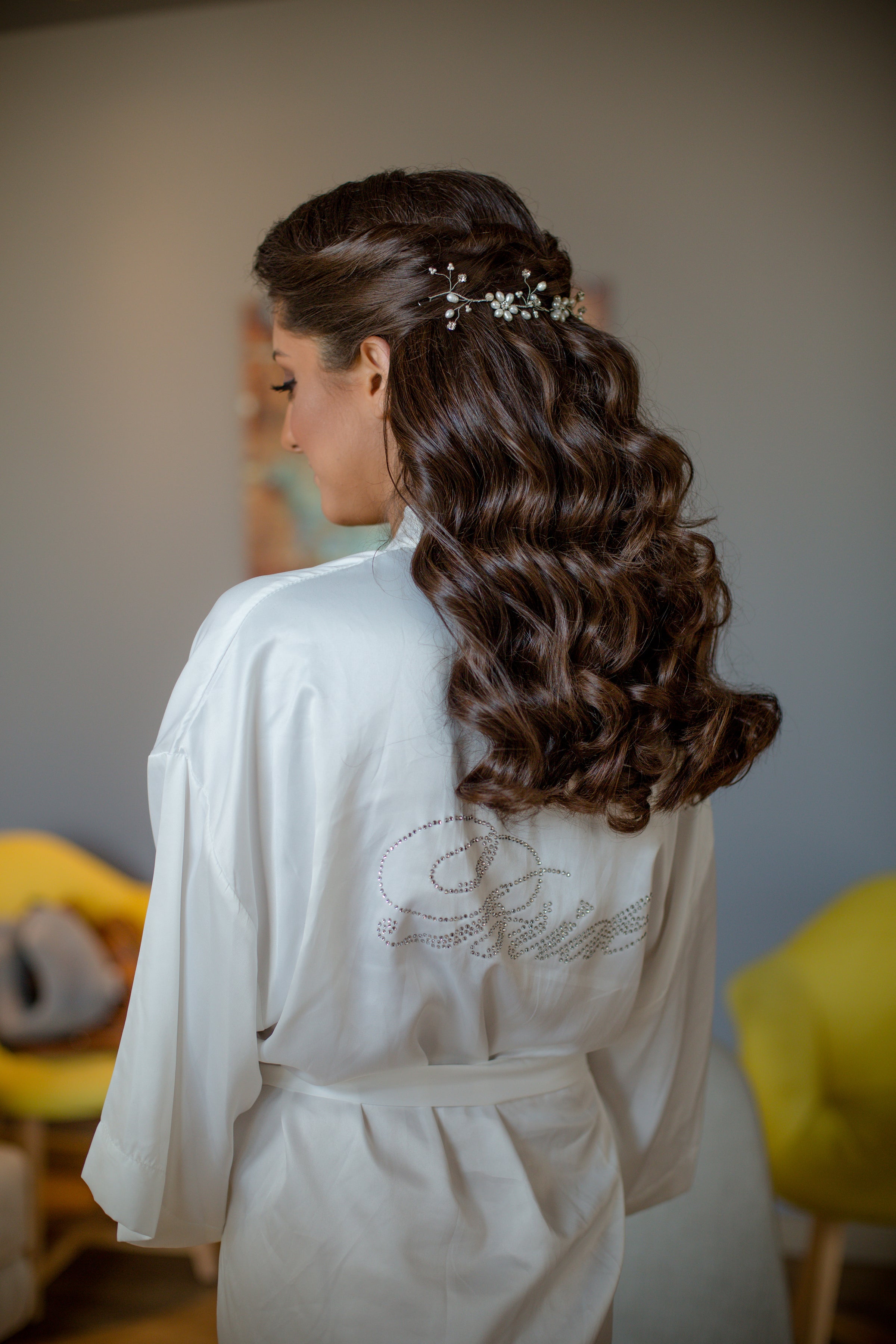

Finding a wig that looks "real" starts long before you touch the lace-it starts with the color. You might fall in love with a rich espresso or a warm chestnut brown on a model, only to find it makes your own skin look tired or sallow once you put it on. This happens because the most beautiful color isn't the trendiest one; it's the one that creates perfect harmony with your natural undertones.
Instead of guessing through endless swatches, the following guide will help you identify your skin's unique shade to find a wig color that makes you look radiant the moment you step out.

When people try to choose wig color, they often start by looking at trends – platinum blonde, balayage blends, or deep jet black. That approach rarely works. The reason is simple: your skin tone determines whether a color looks harmonious or artificial. A wig doesn’t sit in isolation; it frames your face, reflects light onto your skin, and influences how your complexion is perceived.
Skin tone has two key dimensions: undertone and depth. Undertone is the subtle hue beneath your skin (warm, cool, or neutral), while depth refers to how light or deep your complexion appears. Both must be considered together. Ignoring either can make a color that looks stunning on someone else appear completely off on you.
For example, a cool ash blonde wig on warm-toned skin can create a dull, grayish cast. On the other hand, a rich golden brown on cool-toned skin may appear overly brassy. The goal is not to match your natural hair color – it’s to create balance between your wig and your skin.
Understanding this principle is the foundation of how to choose the right wig color. Once you get it right, even a bold or non-natural shade can look intentional and flattering.

Before diving into wig shades, you need to identify your undertone accurately. One of the simplest and most reliable methods is the wrist vein test.
Stand in natural daylight and look at the veins on the inside of your wrist:
If your veins appear greenish, you likely have a warm undertone.
If they look bluish or purple, you have a cool undertone.
If it’s hard to tell or they look like a mix, you are likely neutral.
This quick test is a practical starting point, but don’t rely on it alone. Cross-check with these additional indicators:
1. Jewelry Preference
Gold jewelry tends to flatter warm undertones
Silver jewelry complements cool undertones
Both look equally good on neutral tones
2. Sun Reaction
Warm undertones tan easily
Cool undertones burn more quickly
Neutral tones may do both
3. Natural Features
Look at your natural hair and eye color:
Warm: golden brown hair, hazel or amber eyes
Cool: ash brown/black hair, gray or blue eyes
Neutral: a balanced mix without obvious warmth or coolness
Why does this matter when learning how to choose a wig color? Because undertone dictates which color families will enhance your appearance rather than clash with it.

Once you know your undertone, the next step is understanding your complexion depth. This determines how light or dark your wig color should be relative to your skin.
If you have a lighter complexion, high contrast can easily overpower your features. The key is subtlety.
Best choices:
Soft blondes (beige, honey, ash depending on undertone)
Light browns
Muted reds like strawberry blonde
What to avoid:
Extremely dark shades like jet black (unless styled intentionally)
Overly bright or neon tones without blending
For natural results, stay within 2–3 shades of your natural hair depth.
Medium skin tones have more flexibility, which makes this range ideal for experimentation.
Best choices:
Chocolate brown, chestnut, caramel highlights
Rich auburns
Balanced blondes (not too pale, not too yellow)
The key here is dimension. Flat, single-tone wigs can look artificial. Look for blended shades or subtle highlights that mimic natural hair variation.
Deeper complexions can carry richer and more saturated colors beautifully.
Best choices:
Espresso, deep brown, and soft black
Burgundy, wine, and plum tones
Warm caramel or honey highlights
Avoid overly ashy shades unless you intentionally want a high-fashion contrast. Warmth often enhances radiance in deeper skin tones.
Further reading: What Is a Natural Color in Human Hair Wigs? All You Need to Know
Even if you understand undertones and depth, achieving a truly natural look requires attention to detail. This is where most beginners struggle when figuring out how to choose wig color effectively.
The good news is that you don’t need years of experience to get it right. Below are practical, immediately applicable tips that will help you make better color decisions and avoid the most common pitfalls.

One of the fastest ways to make a wig look artificial is choosing a color that appears flat from root to tip. In real hair, color is never completely uniform. Even untreated hair naturally has slight variations due to sun exposure, oil distribution, and hair growth cycles.
That’s why high-quality wigs often look:
Root shading (slightly darker roots)
Subtle balayage or ombre transitions
Multi-tonal strands within the same color family
For example, instead of choosing a solid “light blonde,” a more realistic option would be a rooted blonde with darker ash or neutral roots blending into lighter ends. This mimics how natural hair grows and instantly adds depth.
If you’re a beginner, a safe rule is: the closer the root area is to a natural hair color, the more believable the wig will look, even if the ends are lighter or more stylized.

Eyebrows play a critical role in framing your face, and they can either support or disrupt the illusion of natural hair. A mismatch between your wig and eyebrows is often subtle—but very noticeable.
Here’s how to approach it strategically:
Dark eyebrows + light wig: Instead of going for a flat platinum blonde, choose a rooted blonde with darker bases. This creates a bridge between your brows and hair, making the transition feel intentional.
Light eyebrows + dark wig: A deep black wig paired with very light brows can look harsh. In this case, opt for softer dark browns instead of pure black, or slightly deepen your brows with makeup.
The goal is not perfect matching, but visual harmony. Think of your brows and wig as part of the same color system rather than separate elements.

Your everyday makeup routine directly affects how a wig color appears on your face. This is often overlooked, but it can completely change the final result.
Minimal or no makeup:
Softer, more natural shades (like medium brown, soft black, or neutral blonde) work best because they don’t overpower your natural features.
Full or defined makeup:
You can carry more contrast – cool ash tones, platinum blonde, or deeper, richer colors – because your makeup adds structure and balance.
For example, a platinum blonde wig may make your face look washed out without makeup. But with defined brows, contour, and lip color, the same wig can look sharp and intentional.
Always evaluate wig color in the context of how you actually present yourself daily – not just how it looks on a model.

Wig color is highly sensitive to lighting conditions. A shade that looks neutral indoors can shift dramatically under natural sunlight. To avoid surprises:
Check the wig under daylight (most accurate color representation)
Observe it in warm indoor lighting (can make colors appear more golden)
Test under cool LED lighting (can emphasize ash or blue tones)
For instance, an ash brown wig might look perfectly balanced indoors but appear slightly gray outdoors. If your environment involves a lot of daylight (commuting, outdoor activities), prioritize how the wig looks in natural light over indoor impressions.

Choosing the right wig color isn’t just about appearance – it’s also about practicality and consistency with your daily life. You need to consider:
Work environment: Natural shades are generally more versatile and widely acceptable
Wardrobe: Extreme colors may clash with everyday outfits
Maintenance: Lighter and fantasy shades often require more upkeep to maintain their tone
For example, a soft brown or dark blonde wig can transition seamlessly between professional and casual settings. On the other hand, a silver or pastel wig may look stunning but require more effort to style consistently.
A good question to ask is: Can I wear this color confidently in 80% of my daily situations? If the answer is no, it may not be the most practical choice.

Many wigs fail not because of poor quality, but because of avoidable color mistakes. Being aware of these issues will help you refine your choices and achieve a more natural result.
Following Trends Without Considering Undertones: Trendy shades don’t always suit your skin.
Warm blonde on cool skin → looks brassy
Ash brown on warm skin → looks dull
Choosing Colors That Are Too Extreme or Flat: Going too dark/light creates harsh contrast, while single-tone colors lack natural depth. Multi-tonal shades always look more realistic.
Ignoring Density and Texture:
Dense + dark → can feel heavy
Light + low density → may look thin
Always balance color with hair volume and texture.
Skipping Testing: Not trying or comparing shades increases the risk of choosing the wrong color. Test in different lighting whenever possible.
Also worth exploring: How to Choose a Wig: Tips for Face Shape, Size, and First-Time Buyers
Learning how to choose wig color is not about memorizing rules—it’s about understanding how color interacts with your unique features. Undertone and complexion depth form the foundation, but the final result depends on details like root shading, lighting, and styling.
We hope this guide gives you the clarity to not only choose the right wig color but also avoid common issues that affect how wigs look over time. If you’re ready to refine your look further, consider exploring WIGI Hair’s premium collection of 100% human hair wigs – designed to offer natural movement, long-lasting comfort, and a polished appearance that fits effortlessly into your everyday life.


Leave a comment