WIGI HAIR
WIGI HAIR
Bring BEAUTY to your life


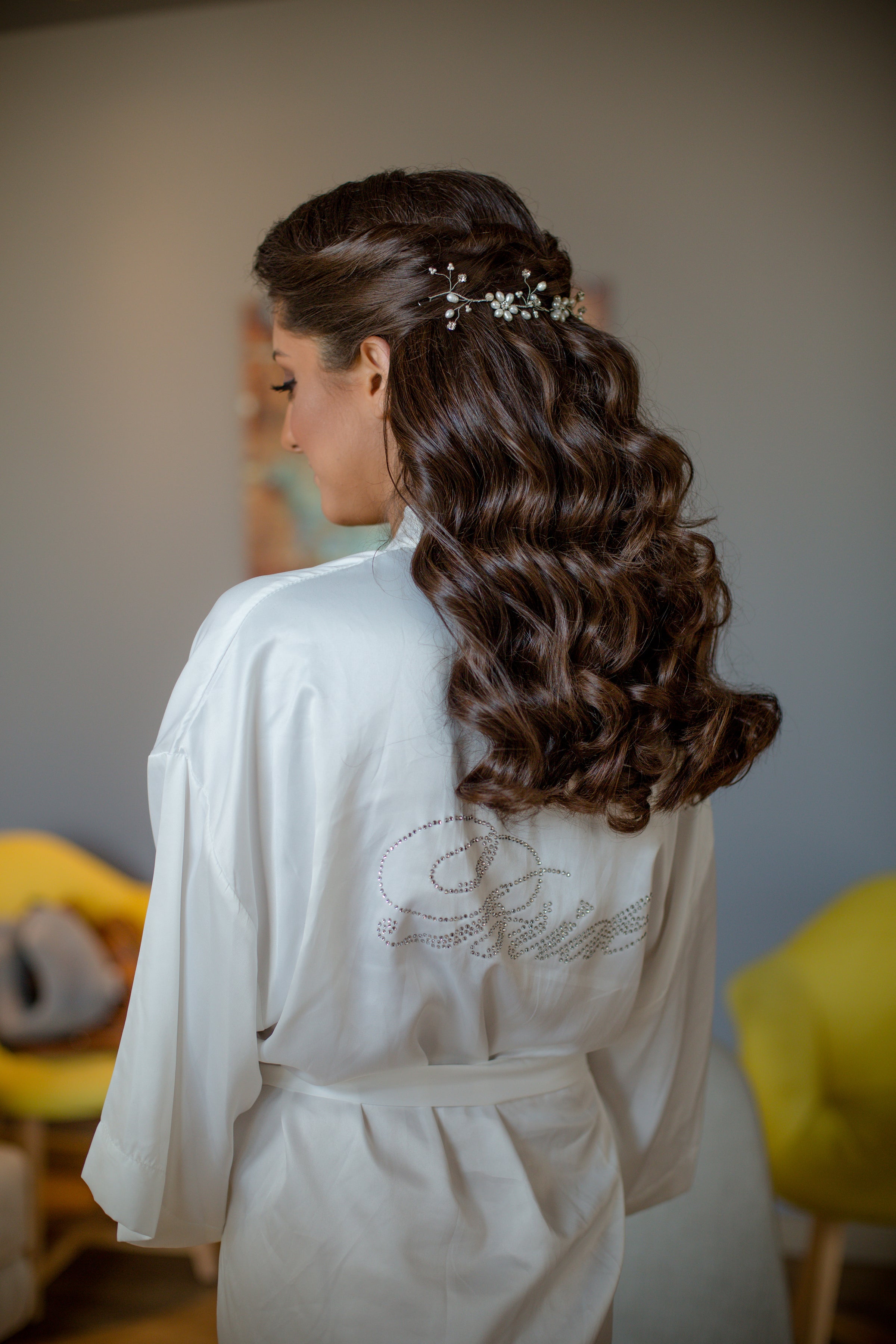

Choosing between the rich hues of #27 Honey Blonde and #30 Warm Auburn can be confusing—they both promise warmth, but which one truly flatters your unique skin tone and fits your style? Don't stress over the technical color charts. In this WIGI Hair 27 vs 30 Hair Color guide, we break down the nuances of these two popular warm tones, helping you understand their intensity and base colors. We'll show you exactly how to pick the perfect shade to illuminate your face, whether you have cool or warm undertones.

When you look at a professional color ring, you'll notice that every shade has a number. While colors like #1 (Jet Black) or #613 (Lightest Blonde) are obvious, shades like #27 hair color and #30 hair color in the "warm zone", offering a beautiful blend of blonde, brown, red, and copper. Understanding these base tones is the first step to becoming your own color expert. Both are stunning, but their undertones and brightness levels are vastly different.
Think of the #27 hair color shade as a sun-kissed, natural blonde that carries a deep, rich warmth—hence the "Honey Blonde" nickname.
Tonal Profile: #27 is a warm light golden blonde with subtle honey undertones, typically around a level 7–8 on the hair color chart. It’s lighter and more golden than #30, but not as pale as platinum shades.
The Feeling: This color is all about brightness and radiance. It evokes images of summer, beach waves, and California sunshine. The dominant undertone is Yellow/Gold, giving it that distinct, luminous honey glow.
In Wigs: For WIGI Hair, the #27 is an essential accent color. Because it is a lighter shade, it can be beautifully blended into darker bases (like #4 or #2) to create a soft, face-framing effect without the harsh contrast of a brighter blonde. Discover our full range of color options in the WIG Collection and find your perfect blend.

The #30 hair color shade is a rich, warm tone that leans deeply into the red/copper spectrum, giving it a luxurious, earthy feel.
Tonal Profile: #30 is a Copper/Auburn Brown sitting around a Level 5 or 6. It’s significantly darker and deeper than #27.
The Feeling: This color is cozy, deep, and luxurious. It perfectly captures the tones of autumn leaves and spiced cider. Its dominant undertone is Red/Copper, which gives it a vivid, almost metallic warmth when it catches the light.

Though they are often grouped together as "warm tones", these two shades serve very different purposes. This section will show you the real difference between 27 and 30 hair color — from undertone to intensity and brightness. The difference lies in where they sit on the light-to-dark spectrum and which base pigment is dominant.
The Lightness Test: #27 clearly sits in the blonde range, showing warm golden tones, while #30 leans toward a light auburn, a medium brown base with noticeable copper-red undertones.
Tonal Intensity & Brightness
The #27 is designed to brighten and lift the overall color, making it an excellent highlight choice. Its lightness gives it an intense radiance, making the hair look multi-dimensional. Conversely, the #30 is designed to add depth and saturation. Its richness makes the hair color look incredibly luxurious and dense, but it remains noticeably darker than #27. If you want a noticeable brightness, go for #27. If you want a deep, sultry warmth, choose #30.
Color Base & Undertone
This is the most crucial difference. Every color has an undertone, and these are no exception.
|
Feature |
#27 Golden Honey Blonde |
#30 Rich Auburn/Copper Brown |
|
Lightness Level |
Level 7-8 (Blonde) |
Level 5-6 (Light/Medium Brown) |
|
Dominant Undertone |
Yellow / Gold |
Red / Copper |
|
Visual Effect |
Radiant, sun-kissed brightness |
Deep, sultry, highly dimensional |
|
Best Season Match |
Spring / Summer |
Autumn / Winter |

Choosing the right warm color is not just about preference; it’s about harmony. The best color is one that complements your skin’s natural undertone. Here is WIGI's quick guide:
People with cool undertones (veins appear blue/purple; skin easily burns) often shy away from warm colors, but they shouldn't!
#27 Recommendation: #27 creates a beautiful, deliberate contrast. The golden warmth of #27 looks striking against cool, porcelain skin. Think of it as a flattering clash that makes your features pop, especially if you have blue or green eyes.
#30 Recommendation: #30 is tricky but doable – best hair color for warm skin tone. If you have cool undertones and choose #30, make sure the color is slightly muted to prevent it from looking too brassy or competing with your skin tone.
People with warm undertones (veins appear green; skin easily tans) are naturally suited for both shades, as they complement the existing warmth in their skin.
#30 Recommendation: This is often the most natural and flattering choice for warm undertones. The copper and red pigments in #30 harmonize perfectly with the golden/peach undertones in the skin, giving you a flawless, "born-with-it" glow. It simply elevates your natural coloring.
#27 Recommendation: #27 is also a fantastic choice, especially for the summer months. It provides a lighter contrast than #30 while maintaining the golden warmth needed to avoid looking ashy.

Receive a FREE Hair Serum with every purchase over $200 – keep your new #27 or #30 color glowing longer!
Trying a vibrant, head-turning color like #27 or #30 on your natural hair involves a heavy commitment—especially if your hair is dark, as it requires significant bleaching to lift to these levels. This process leads to dryness, breakage, and irreversible damage. That’s why WIGI recommends experimenting through wigs for trying new hair colors, so you can enjoy the fun without harming your real hair.
We totally get the fear of color commitment! That’s why WIGI champions wigs and extensions as the ultimate solution for color experimentation. You can:
Go Damage-Free: Skip the harsh chemicals and maintain the health of your natural hair underneath.
Change Seasonally: Switch from a vibrant #27 for summer to a deep #30 for winter instantly.
Test Drive: If you’re unsure about committing to a full color, a Clip In is a great way to test a highlight shade like #27 or #30 – it can be placed around the head, as long as the clips are hidden beneath your natural hair.
The most sophisticated way to wear a warm color is through blending, and WIGI is an expert in this technique. We rarely recommend wearing a pure, single color of #27 or #30, as blending creates superior dimension.
The Dimensional Difference: We often use a darker base (like a rich brown Level 4) and then strategically place strands of #27 and #30 throughout the wig. For example, a Balayage technique might use the deep, warm #30 to create the darker transition, and the bright #27 for the final, face-framing pops of light.

Q1. Are #27 and #30 hard to maintain?
Yes, color requires care. Because #27 is highly lifted (lighter) and #30 has strong red pigments, they both can fade. Use sulfate-free, color-safe shampoos and wash your hair/wig in cool water to lock in the vibrancy.
Q2. Which color is more popular for highlights?
Both are extremely popular. #27 is typically used for a brighter, sun-kissed effect (especially in face-framing highlights), while #30 is often used as a warmer lowlight or an overall base color to add richness and depth.
Q3. Will #30 fade to orange?
Because #30 has a copper/red base, it naturally fades to an orange-red tone. To combat this, you can use a blue-based toning shampoo occasionally to neutralize the warmth and keep the color looking rich and deep.
Q4. Can I color WIGI’s human hair to these shades?
Absolutely. Because all WIGI Wigs are made from 100% Vietnamese human hair, you can safely color them. However, always consult a professional stylist before dyeing a lighter wig darker or bleaching a dark wig to a #27.
The choice between 27 vs 30 Hair Color ultimately comes down to your unique skin tone and how much warmth you want to express. Whether you prefer the bright, sun-kissed glow of #27 hair color or the deep, copper richness of #30 hair color, WIGI Hair helps you find your perfect shade safely and beautifully. Discover the true difference between 27 and 30 hair color without damaging your natural hair — our human hair wigs for color change let you try bold, vibrant tones risk-free, made from 100% premium Vietnamese hair.
Unlock your confident new look today and receive a FREE Hair Serum with orders over $200 — your most flattering, warm shade awaits.


Leave a comment