EXTENSIONES DE CABELLO WIGI
EXTENSIONES DE CABELLO WIGI
Trae BELLEZA a tu vida


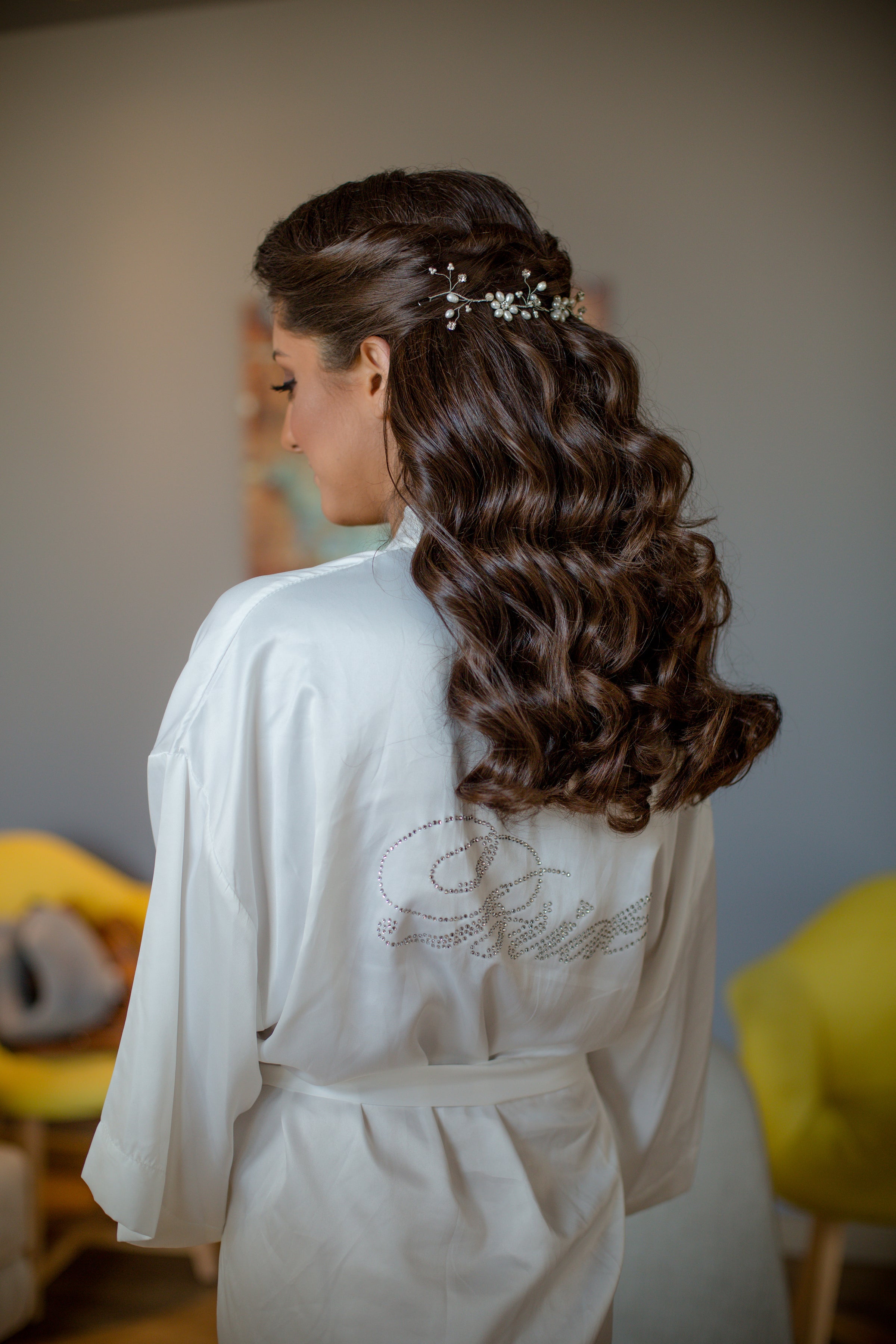

Most brands label their hair as “premium” or “ethically sourced,” but in reality, not every customer truly understands where hair extensions come from – or why it matters.
If you’ve ever wondered why some extensions last for months while others tangle after a few washes, the answer often lies in their origin. From Asian bulk hair to rare Russian strands, each source comes with different textures, processing methods, and price points.
In this guide, we’ll break down where human hair extensions really come from, how origin affects quality, and what you should actually look for before buying – so you don’t end up paying a premium for average hair.

Hair extensions are not a modern invention – they’ve existed for thousands of years, long before the current beauty industry took shape.
In ancient Egypt, both men and women used wigs and hairpieces made from human hair, wool, or plant fibers. These were not just for aesthetics but also served practical purposes like protection from the sun. Status played a role too – more elaborate wigs often indicated higher social standing.
The Romans later adopted and expanded this practice, importing blonde hair from Northern Europe to create fashionable looks. Even at that time, hair origin already influenced desirability and value.
Fast forward to the 20th century, hair extensions became more accessible thanks to industrial processing. What was once a luxury reserved for elites turned into a mass-market product.
Today, the industry has evolved into a global supply chain worth billions, with hair collected, processed, and distributed across continents. This scale has made extensions more affordable – but also far more complex in terms of quality and transparency.

Today’s global hair market is dominated by three countries: China, India, and Vietnam. Each plays a very different role in the supply chain – and understanding that difference is where most buyers gain an advantage.
China is the largest exporter, but not because it has the most raw hair. Instead, it operates as the world’s processing hub. Factories collect hair domestically and import large volumes from neighboring countries, then chemically treat, sort, and resell it at scale. This is why Chinese hair is widely available and often the most affordable – but also the most heavily processed.

India is one of the few places where large quantities of hair are collected in a relatively consistent way. A significant portion comes from temple donations, where hair is cut in ponytails, preserving direction. This makes Indian hair a strong candidate for Remy-quality products, though not all of it remains unprocessed by the time it reaches the market.
Vietnam is known for thicker, naturally straight hair with minimal chemical exposure. Unlike mass collection systems, much of Vietnamese hair is sourced directly from individuals in rural areas, which helps maintain cuticle integrity. This is why it’s often favored for durability and long-term use.
These regions dominate pricing because they offer scale. The more predictable the supply, the lower the cost – but often, the more processing is involved.
Beyond China, India, and Vietnam, smaller sources like Cambodia, Myanmar, and Laos also supply raw hair, often processed in larger neighboring markets. Brazil offers textured hair for niche needs, while Eastern Europe provides limited quantities for premium segments.

Human hair doesn’t come from factories – it comes from people. The way it’s collected determines almost everything about its final quality. There are two main sourcing methods:
1. Donation-based collection
This is most common in India, where hair is voluntarily shaved for religious reasons. Because the hair is cut in one direction, it can be preserved as Remy hair with intact cuticles. However, after collection, it may still go through sorting, cleaning, and sometimes chemical treatment depending on the supplier.
2. Commercial collection
In countries like Vietnam and China, hair is often sold directly by individuals. This hair tends to be thicker and stronger, but collection methods vary. If hair is gathered loose (from brushes or floors), cuticles become mixed – leading to tangling unless processed with acid baths and silicone coatings.
Here’s the key insight most buyers miss: The origin matters less than how the hair is handled after collection. A high-quality source can still become low-quality hair if overprocessed.
Further reading: Top 5 Different Types of Hair Extensions: Costs, Methods & Styles

These terms are heavily used in marketing – and often misunderstood.
“Real hair” simply means it comes from humans. It does not guarantee quality. Hair labeled as “100% human” can still be chemically stripped, dyed, and coated with silicone to appear smooth.
“Natural hair” is even more ambiguous. In some cases, it refers to unprocessed hair. In others, it simply means the color hasn’t been artificially dyed – even if the hair has been chemically treated.
If you’re looking for truly unprocessed hair, you’ll often see the term “virgin hair”, which means no chemical treatment at all. However, genuine virgin hair is rare and expensive – and frequently mislabeled.
Blonde hair introduces another layer. Naturally blonde hair mainly comes from Eastern Europe, including countries like Russia and Ukraine. This hair is softer, finer, and significantly more expensive due to limited supply.
Most “blonde” extensions on the market are actually dark Asian hair that has been bleached. While this makes it more affordable, bleaching weakens the hair structure, reducing lifespan and increasing dryness.

Russian hair has built a reputation as the luxury tier of hair extensions – and for good reason.
It typically comes from individual donors in Eastern Europe, where hair is naturally finer, softer, and often lighter in color. Because it hasn’t been heavily processed to match Western textures, it blends more seamlessly with naturally fine hair types.
However, the key factor driving its price is scarcity. There is no large-scale collection system like in Asia. Supply is limited, inconsistent, and difficult to standardize.
That said, Russian hair is not automatically the best choice for everyone. If your natural hair is thick or coarse, this softer texture may not blend well – and you may end up paying more for a result that looks less natural.
This is where most buyers get misled – not by bad products, but by unclear labeling.
Remy hair means all cuticles are aligned in the same direction. This reduces friction, prevents tangling, and extends lifespan. However, the term only describes alignment – not whether the hair has been chemically treated.
Natural hair has no standardized definition. One supplier may use it to mean “undyed,” while another uses it to mean “unprocessed.” Without clarification, the term is almost meaningless.
Real hair, as mentioned earlier, only confirms human origin – not quality.
The reality most buyers don’t realize is this: Labels are marketing tools, not guarantees. Two products labeled “Remy human hair” can perform completely differently depending on processing, coating, and sourcing.

There is no universal “best” – only what works best for your needs.
If your priority is longevity and strength, Vietnamese and Indian hair are strong candidates. Their thicker strands handle heat styling and repeated washing better, especially when minimally processed.
If you want softness and a natural blend with fine hair, Russian or Eastern European hair is more suitable – but only if the texture matches your own.
If you’re working with a tight budget, Chinese-processed hair offers accessibility. Just be aware that initial softness may come from silicone coatings that wash out over time.
The most important factor is not chasing the “best origin,” but matching the hair to your own texture, lifestyle, and expectations.
Also worth exploring: How Much Do Hair Extensions Cost? Average Prices Explained
Hair extensions are not just a beauty product – they are a raw material shaped by origin, handling, and processing. Understanding where they come from gives you something most buyers don’t have: the ability to see past branding and evaluate real quality. Once you know what to look for, you stop relying on labels – and start choosing hair that actually performs the way you expect.
For those ready to explore higher-quality options, collections like WIGI Hair focus on carefully sourced human hair from Vietnam, known for its strength and natural texture. Each set is produced and inspected only after your order is placed, helping maintain freshness and consistent quality.
Made from 100% high-quality human hair, these extensions are designed to feel natural and blend seamlessly. With the right origin and the right method, achieving fuller, longer, and natural-looking hair becomes far more achievable than most people expect – without unnecessary trial and error.


Dejar un comentario