EXTENSIONES DE CABELLO WIGI
EXTENSIONES DE CABELLO WIGI
Trae BELLEZA a tu vida


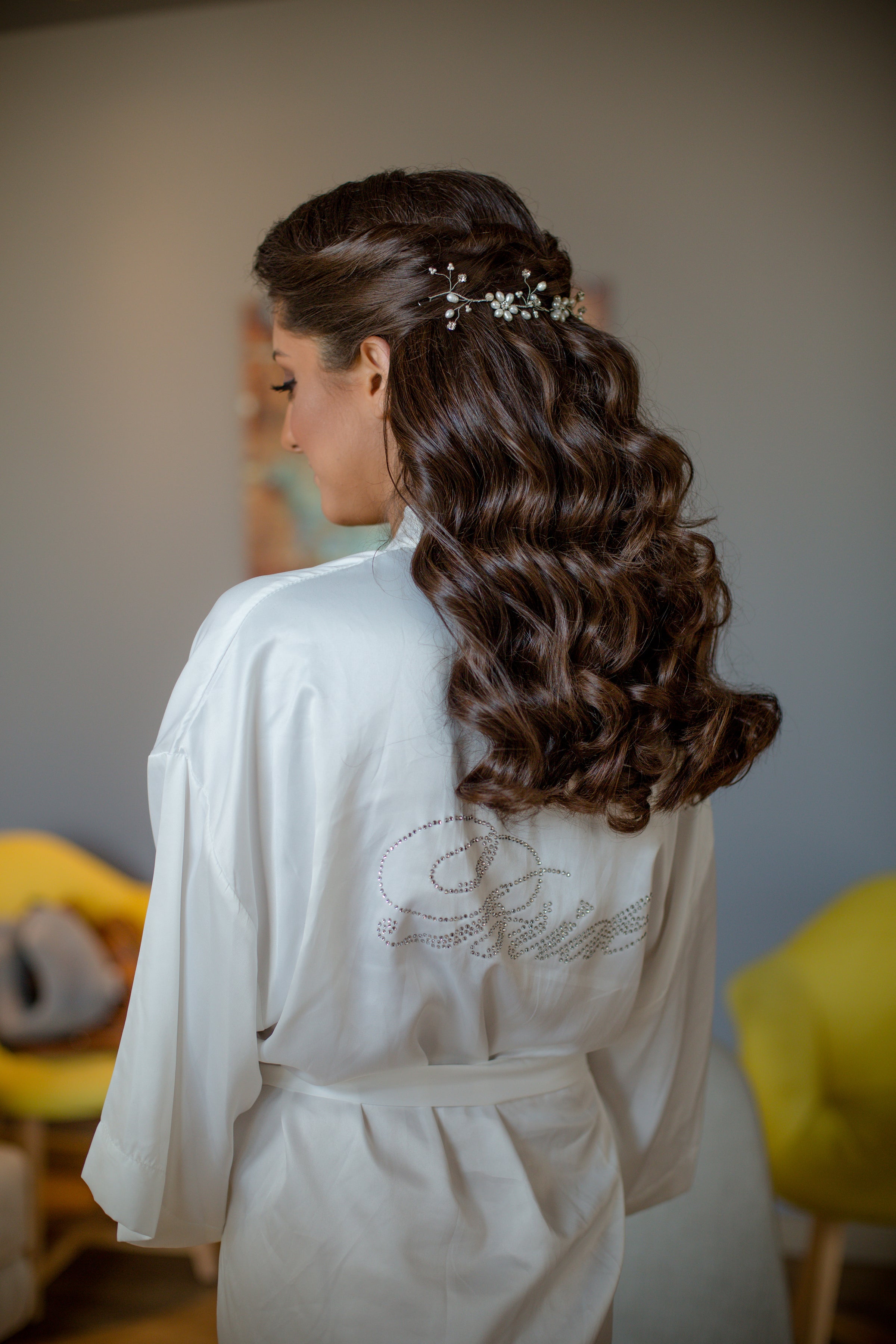

A lot of people turn to extensions hoping for instant volume, then end up choosing the wrong type. Some feel bulky, some slip out, and some just don’t blend at all. That’s why this guide focuses on the most recommended hair extensions that actually work in real life, especially if your hair is thin, soft, or hard to hold volume.
Below, you’ll find 5 extension types that people actually stick with from quick, temporary fixes to longer-term solutions so you can figure out what fits your hair, your routine, and how much effort you’re willing to put in.

Clip-in extensions are one of the most recommended hair extensions types for those seeking an instant transformation. These extensions offer versatility, ease of use, and a temporary boost of volume. They are perfect for occasional styling and special events.
Why they work:
Instant volume and length in under 2 minutes
No salon visit required and no long-term commitment
Perfect for beginners or occasional styling
Clip-ins are ideal if your hair looks flat for events, photos, or nights out. However, they are not designed for daily long-term wear on very fine hair. If the clips are too heavy or poorly placed, they can create tension and even reveal where the extensions are attached.
Best use case:
You have a wedding, event, or photoshoot
Your hair looks flat after styling and you need instant lift
You want to experiment with longer hair before committing

If you have thin hair and are looking for a most recommended hair extension for thin hair, tape-in extensions are often the top choice. These extensions blend seamlessly with your natural hair and provide natural-looking volume without adding too much weight.
Why they stand out:
Extremely lightweight compared to other semi-permanent options
Lay flat against the scalp, making them harder to detect
Distribute weight evenly, reducing stress on weak strands
When installed correctly, tape-ins integrate seamlessly with your hair, providing an effortlessly natural appearance. They move with your hair instead of sitting on top of it. The real difference comes down to placement:
If placed too close to the hairline → they can become visible when hair is tucked
If placed too dense in one area → they can feel sticky or heavy
If placed by a skilled stylist → they blend like your own hair
You’ll need reinstallation every 6–8 weeks. Also, oil-based products near the bonds should be avoided because they weaken the adhesive over time.
Best use case:
Daily wear for people with thin hair who want natural volume without obvious extensions.
Further reading: Tape In vs Clip In Hair Extensions: Which Is Best for Thin Hair?

Halo/Wire extensions sit on a thin, invisible wire that rests around your head, with the extension hair blending underneath your natural top layer. They’re designed for effortless application, giving you instant volume without any salon installation or complex setup.
Why they stand out:
Uses clips for secure attachment
No tension or damage.
Extremely fast to apply and remove
Halo extensions are perfect for people who are scared of damaging already fragile hair. They don’t work for everyone, because all the weight sits on the head, not distributed through sections of hair, some users feel slight discomfort during long wear.
This method is amazing for protecting fragile hair, but it has limitations:
If your hair is very short → blending can be difficult
If worn too long → you may feel pressure on the crown
If not styled properly → it can look like a separate layer instead of blended hair
Best use case:
Hair recovery phase after damage
Very sensitive scalp
Temporary volume without commitment

Sew-in (weave) extensions are ideal for those with thick, dense hair, but for a long-lasting and secure option, human hair extensions are often the go-to. Human hair ensures the most natural look and feel when combined with this method, especially for thicker hair types.
However, because the entire system depends on braid strength, it works best on thick hair and can feel too heavy or tight for finer strands.
Why they stand out:
Long-lasting hold (6–10 weeks)
Very secure for dense hair
Can handle heat styling and daily wear
Sew-ins offer a long-lasting hold, making them perfect for thick hair that can handle the tension, without worrying about shifting or slipping during daily wear. That’s why it works well on dense hair—but can be too heavy for fine strands. If your hair cannot support the braid foundation, you may experience:
Scalp tightness
Breakage at the root
Visible stress around the parting area
Best use case:
People with strong, dense hair who want long-term extensions without frequent reinstallation.

For a natural, long-lasting solution, fusion extensions, using keratin bonds, are often among the most recommended hair extensions by professional stylists. This method offers a flawless finish with natural movement, ideal for those looking for a permanent solution.
Why they stand out:
Seamless blending at the root level
Movement feels very natural
Works well for layered, styled looks
Fusion extensions are high maintenance. Installation can take several hours, and removal requires a professional. They also require careful brushing and washing routines to avoid bond damage.
For thin hair, fusion can work beautifully but only if your stylist uses very lightweight strands. Otherwise, it may feel too heavy on the scalp.
Best use case:
Long-term wear for people prioritizing natural movement and premium finish.

After going through all five methods, most people with thin or fine hair usually reach the same point: everything sounds good, but it’s still unclear what actually fits their hair in real life. So instead of focusing on “which looks best,” here’s a more practical breakdown based on how stylists typically match extensions to fine-density hair.
Safest options (what usually works without stressing the hair):
Tape-In Extensions → best balance of weight + natural look: These are often the first choice for thin hair because they add volume without putting too much pressure on one point of the scalp. When placed correctly, they blend into the hairline and move naturally, making them suitable for daily wear.
Halo Extensions → zero-damage, instant volume solution: Halo is ideal if your hair is fragile, recovering, or you simply don’t want anything attached to your strands. It doesn’t require installation, so it avoids all tension-related damage. The trade-off is that it’s better for temporary styling rather than all-day everyday wear.
Lightweight Clip-Ins → occasional styling only: Clip-ins can still work for thin hair, but best used in small amounts and applied carefully at home. It’s recommended to place fewer wefts and focus on strategic areas (like the sides and back) rather than covering the full head, to avoid visible clips or putting too much tension on the roots.

What to avoid (important for protecting thin hair):
Heavy sew-ins on weak hair: Sew-ins create tension through braids, which can feel too tight or heavy if your natural strands are fine. Over time, this can lead to breakage or scalp discomfort.
Thick fusion bonds on very sparse areas: Fusion can look very natural, but if too much hair is attached to a small section, it creates uneven weight distribution. This is where strain and tangling usually start.
Over-layered extensions creating visible gaps: Adding too many layers at once doesn’t increase natural volume—it often does the opposite. Thin hair can separate under weight, making extension tracks more noticeable instead of hidden.
One of the biggest mistakes when choosing hair extensions is not selecting the right type for your hair density. If you have thin hair, avoid heavier methods like thick sew-ins and focus on the most recommended hair extensions types for fine hair, such as tape-ins and halo extensions.
Choosing based only on price: Cheap extensions often use low-quality hair that tangles easily, loses shine quickly, and doesn’t hold styling. Result: Hair looks worse after a few washes.
Ignoring hair density: What works on thick hair can overwhelm fine hair completely. Density matters more than length. Result: Flat roots + visible extension lines.
Wrong color matching: Even a slightly off tone becomes obvious under natural light, especially at the ends. Result: Extensions look “separate” from real hair.
Skipping maintenance planning: Extensions are not a one-time install. Each type has a lifecycle and requires upkeep. Result: Tangling, slipping, or uneven texture over time.
Q1: Are hair extensions safe for thin hair?
Yes, the most recommended hair extensions for thin hair, like tape-ins and halo extensions, are safe as long as they are applied correctly.
Q2: Why do my hair extensions look visible on thin hair?
This usually happens when too much hair is added in one section or when the extensions are placed too close to the parting line. Thin hair needs lighter distribution, not thicker wefts.
Q3: Can I wear hair extensions every day if my hair is very fine?
Yes, but only certain types like lightweight tape-ins. Clip-ins are better for occasional use because wearing them daily can stress fine strands if not positioned correctly.
Q4: Will hair extensions make my natural hair thinner over time?
They can, but only if the method is too heavy or poorly installed. When matched correctly to your hair density, extensions should not affect natural growth.
Also worth exploring: Discover Good Hair Extension Brands 2025: Top Picks for Quality & Style
Choosing the right hair extensions isn’t really about finding the longest or thickest option – it’s about finding the most recommended hair extensions that fit your hair’s reality. Thin or fine hair can still look naturally full, but only when the method matches its strength, density, and daily lifestyle.
If there’s one takeaway, it’s this: avoid forcing volume. The best results always come from lighter, well-placed extensions that blend into your natural hair instead of sitting on top of it. When extensions are chosen correctly, they stop looking like “add-ons” and start feeling like your own hair, just fuller, softer, and easier to style every day.

With a clearer understanding of the most recommended hair extensions, the next step is simply narrowing down what actually fits your hair type, density, and daily routine instead of choosing based on appearance alone. If you want to explore further, you can check out WIGI Hair’s collection of human hair extensions, designed with different textures and styles that make blending with natural hair more seamless and realistic. When you pair the right extension type with the right application method, achieving fuller, longer-looking hair becomes a much more consistent and effortless result – without the guesswork or trial-and-error most people go through at the beginning.


Dejar un comentario