EXTENSIONES DE CABELLO WIGI
EXTENSIONES DE CABELLO WIGI
Trae BELLEZA a tu vida


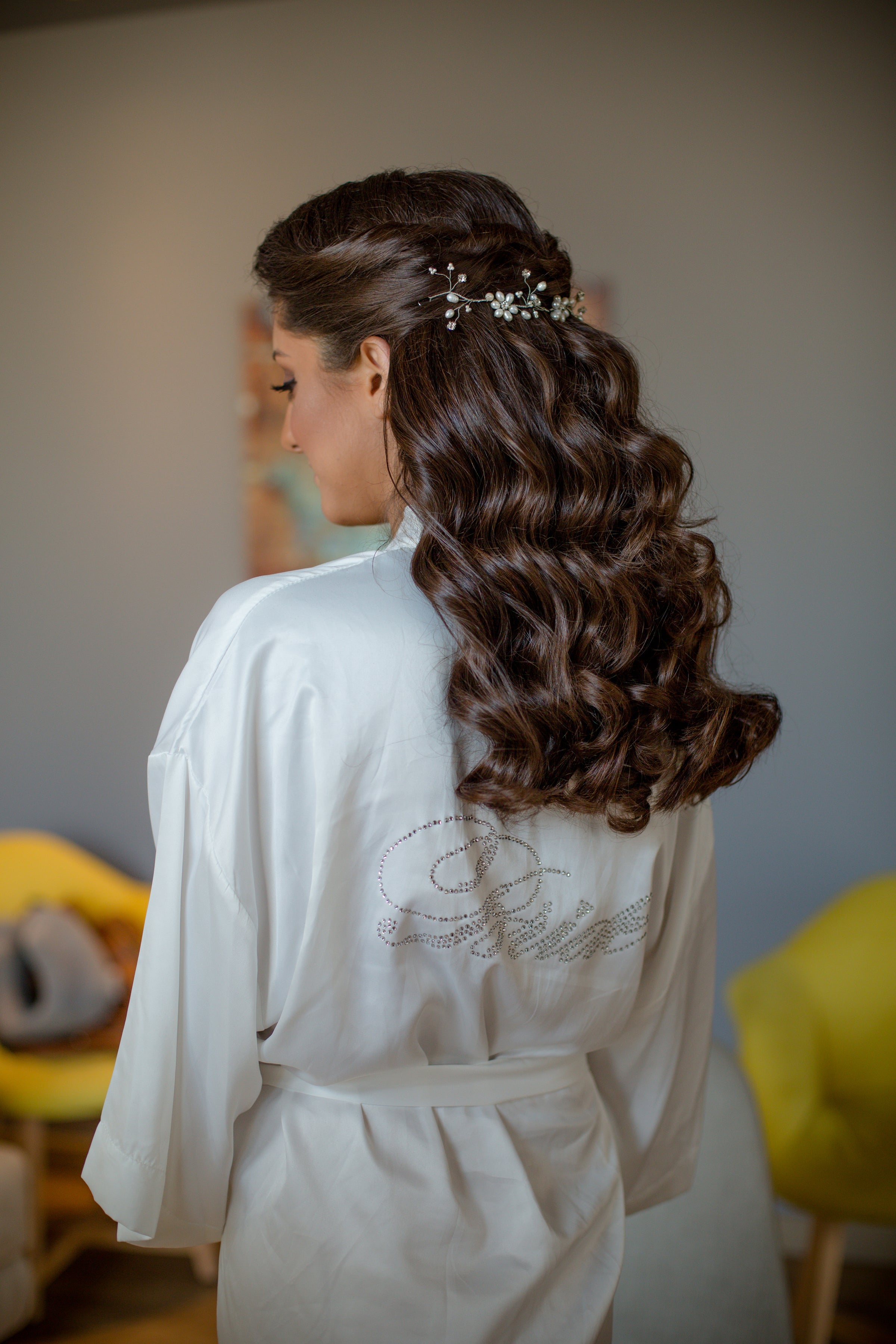

Most people want the freedom to change their hair length or fullness without committing to months of salon maintenance. That is exactly where temporary hair extensions fit into a practical beauty routine. You can clip or slip them in during your morning prep, wear a fuller style through a workday or evening event, and take everything out in seconds before bed.
Below is a clear look at how non-permanent options work, how they compare to semi-permanent methods, and simple ways to blend them seamlessly at home.

Simply put, temporary hair extensions are individual hair wefts or pieces designed to attach to your natural hair without glue, heat, or professional salon tools. Often referred to as temp hair extensions or non permanent hair extensions, they rely on small pressure clips, hidden wires, or built-in combs that hold firmly throughout the day.
Beyond the attachment method, the material used to make the hairpiece determines how naturally it blends and how long it lasts. You will generally find three material options on the market:
Synthetic fibers: Manufactured from heat-sensitive plastics, synthetic pieces hold a pre-set style and cost less upfront. However, they often show an artificial shine, cannot handle regular curling irons or straighteners, and tangle easily after a few months of friction.
Mixed-origin or chemically processed hair: Hair collected from mixed sources often has misaligned cuticles, requiring acid baths and silicone coatings during manufacturing. Once that silicone washes off, the strands tend to dry out and knot quickly.
100% Vietnamese human hair: Unprocessed Vietnamese hair features naturally aligned cuticles, strong individual strands, and balanced density from root to tip. At WIGI Hair, temporary extensions crafted from pure Vietnamese hair blend seamlessly with natural movement, withstand heat styling safely, and remain soft for years with gentle, sulfate-free care.
Not sure which material fits your lifestyle and budget best? Read our detailed guide on Synthetic vs Human Hair Wigs and Extensions: How to choose, Pros and Cons to compare durability, styling versatility, and maintenance before making your pick.
Different hair textures and daily schedules call for different attachment designs. Exploring the main styles available helps you pick a comfortable option that blends smoothly with your own strands.

Temporary clip-in hair extensions come in sets of multiple hair wefts fitted with small, silicone-lined pressure clips. You part your hair horizontally, snap the clips near your roots, and cover them with the layer above. Because the set includes wefts of varying widths, you can customize where you place the volume, making them a dependable choice for weddings, evening parties, or adding fullness to medium-to-thick hair.
Wire extensions feature a single curved weft attached to a thin, transparent filament wire that rests gently over the crown of your head like a headband. Your top layer of natural hair pulls over the wire to hide it completely. Since there are no clips, glue, or tight pulling on individual strands, this design works well for fine, thin, or fragile hair and takes less than five minutes to put on.
Ponytail extensions consist of a long hairpiece with a small anchor comb and a wrap-around velcro or drawstring base. You tie your natural hair into a bun or ponytail, slide the comb into the top of the hair tie, and wrap the extra strand around the base to conceal the attachment. This method adds noticeable length and thickness to high or low ponytails in under two minutes.
If you want a subtle change rather than a full head of added volume, smaller accent pieces offer targeted styling. Clip-in bangs let you test a fringe without cutting your natural hair, while single highlight clip-ins weave extra brightness or dimension into your base color without using bleach.
The main difference between temporary and semi-permanent methods comes down to commitment and daily routine. While temp hair extensions are designed to be clipped in and removed before bed, semi permanent hair extensions are applied by a stylist to stay in your hair continuously for several weeks.
Tape-in extensions are the most common semi-permanent method. They use thin, flat polyurethane tabs pre-coated with medical-grade adhesive that sandwich a small section of your natural hair.
Semi-permanent options offer wake-up-and-go convenience for six to eight weeks at a time. While you can visit a salon, accessible designs like WIGI Hair tape-in extensions are simple enough to apply, remove, and refresh with replacement tape tabs right at home. By contrast, non-permanent pieces take five to ten minutes to put on each day, require no adhesive, and give your roots a complete break every night while you sleep.
To explore more attachment methods and learn what sets premium strands apart, read Hair Extensions With Real Hair: A Practical Guide to Natural Volume, Types, and Quality
|
Extension Method |
Category |
Wear Duration |
Application Time |
Tension on Natural Hair |
Ideal Hair Type |
|
Clip-In Extensions |
Temporary |
Daily (remove before bed) |
5 to 10 minutes (DIY) |
Low to moderate |
Medium to thick hair |
|
Wire (Halo) Extensions |
Temporary |
Daily (remove before bed) |
2 to 5 minutes (DIY) |
None (zero clips or glue) |
Fine to medium hair |
|
Ponytail Extensions |
Temporary |
Daily (remove before bed) |
1 to 3 minutes (DIY) |
Low (supported by hair tie) |
Shoulder-length or longer |
|
Tape-In Extensions |
Semi-Permanent |
6 to 8 weeks per install |
45 to 60 minutes |
Low (even weight distribution) |
Fine, medium, or thick hair |
Having a set of temporary hair extensions in your styling routine opens up plenty of practical ways to wear your hair for workdays, casual outings, and formal events.
Below are a few wearable hairstyles suggested by WIGI Hair to help you blend your pieces smoothly, add balanced fullness to thinner strands, and match your look to different outfits.

Creating loose, natural waves is one of the easiest ways to blend clip-in wefts with your own hair. Place wider wefts across the back of your head and narrower two-clip pieces near your temples, then curl your natural hair and the extensions together with a medium barrel wand.
This relaxed look works well for office days or casual weekend lunches, pairing naturally with tailored shirts, knit sweaters, and simple stud earrings. If your hair is thin near the ends, spacing the wefts evenly from the nape up to the ears prevents visible gaps.

A smooth ponytail keeps hair off your neck and face during busy workdays, travel, or evening dinners. Brush your natural hair into a secure elastic band, attach a wrap-around ponytail extension, and smooth down any flyaways with a light styling cream.
This structured style complements structured blazers, turtleneck tops, and small hoop earrings. For finer hair types, wrapping a small fabric hair tie twice around your base before clipping in the extension gives the anchor comb extra grip so it never slips.

Pulling the top half of your hair back creates a balanced look suited for weddings, formal dinners, or date nights. Slip a wire extension onto your crown, gather the top section of your natural hair, twist two side strands toward the back, and secure them with pearl pins or a minimalist barrette.
The half-up section covers the wire completely while the extension adds fullness to the waves resting over your shoulders. It pairs well with midi dresses, silk blouses, and delicate drop earrings.

Braiding your hair keeps strands tidy and tangle-free when you are moving around all day. Clip two or three medium wefts slightly toward the side you plan to braid, then weave your natural hair and the extension strands together into a loose three-strand or fishtail braid.
Gently tug the outer edges of the braid to widen the shape. This practical style works well with casual denim jackets, cozy cardigans, and small metallic hair cuffs, giving fine hair the fullness needed to form a thick, soft plait.
Proper placement and gentle upkeep help your extensions stay secure all day and last through dozens of wears. Following a few straightforward habits keeps both your natural hair and your hairpieces in good condition.

Before getting started, make sure your shade and wave pattern align seamlessly with our guide to Match Hair Extension: Find Your Perfect Color and Texture.
Prep the roots for better grip: Smooth, freshly washed hair can sometimes cause pressure clips to slide downward. Lightly backcomb the root area where you plan to place a clip and mist it with a small amount of dry shampoo to create a textured anchor.
Leave enough hair on top for coverage: Always leave a thick section of natural hair unclipped at your crown and along your hairline. This top layer acts as a natural cover so clips and wires remain hidden even when you turn your head or step into a light breeze.
Brush from the bottom up: Before and after wearing your extensions, lay them flat and gently detangle them with a wide-tooth comb or soft-bristle brush. Start at the ends and work your way upward to avoid pulling on the weft stitching.
Wash only when product builds up: Because temporary extensions do not absorb natural scalp oils, they need washing far less often than your own hair. Clean them every 15 to 20 wears using lukewarm water and a gentle, sulfate-free shampoo, then lay them flat on a towel to air dry.
Store them flat or on a hanger: Removing your pieces before bed prevents friction and matting while you sleep. Keep your extensions in a breathable storage box or on a dedicated extension hanger so they stay smooth and ready for your next outing.
Temporary hair extensions are a practical, low-commitment solution for anyone who wants fuller or longer hair without changing their natural routine. Because every attachment method works differently, taking a few minutes to consider your natural hair thickness, daily schedule, and styling habits will help you pick the best fit. Whether you lean toward lightweight wire pieces for fine hair or multi-weft clip-ins for special events, choosing the right design and material ensures comfortable wear and a natural blend whenever you decide to use them.
Choosing the right real human hair extensions starts with matching both your natural hair texture and your daily routine. Whether you prefer the 5-minute flexibility of Clip-In and Wire extensions or the seamless, multi-week hold of Tape-Ins, starting with intact, single-donor Vietnamese hair ensures natural movement and lasting durability.
Browse our full range of styles at 100% human hair extension collection to explore available lengths, weights, and natural shades, or contact our team for personalized color-matching assistance.


Dejar un comentario