EXTENSIONES DE CABELLO WIGI
EXTENSIONES DE CABELLO WIGI
Trae BELLEZA a tu vida


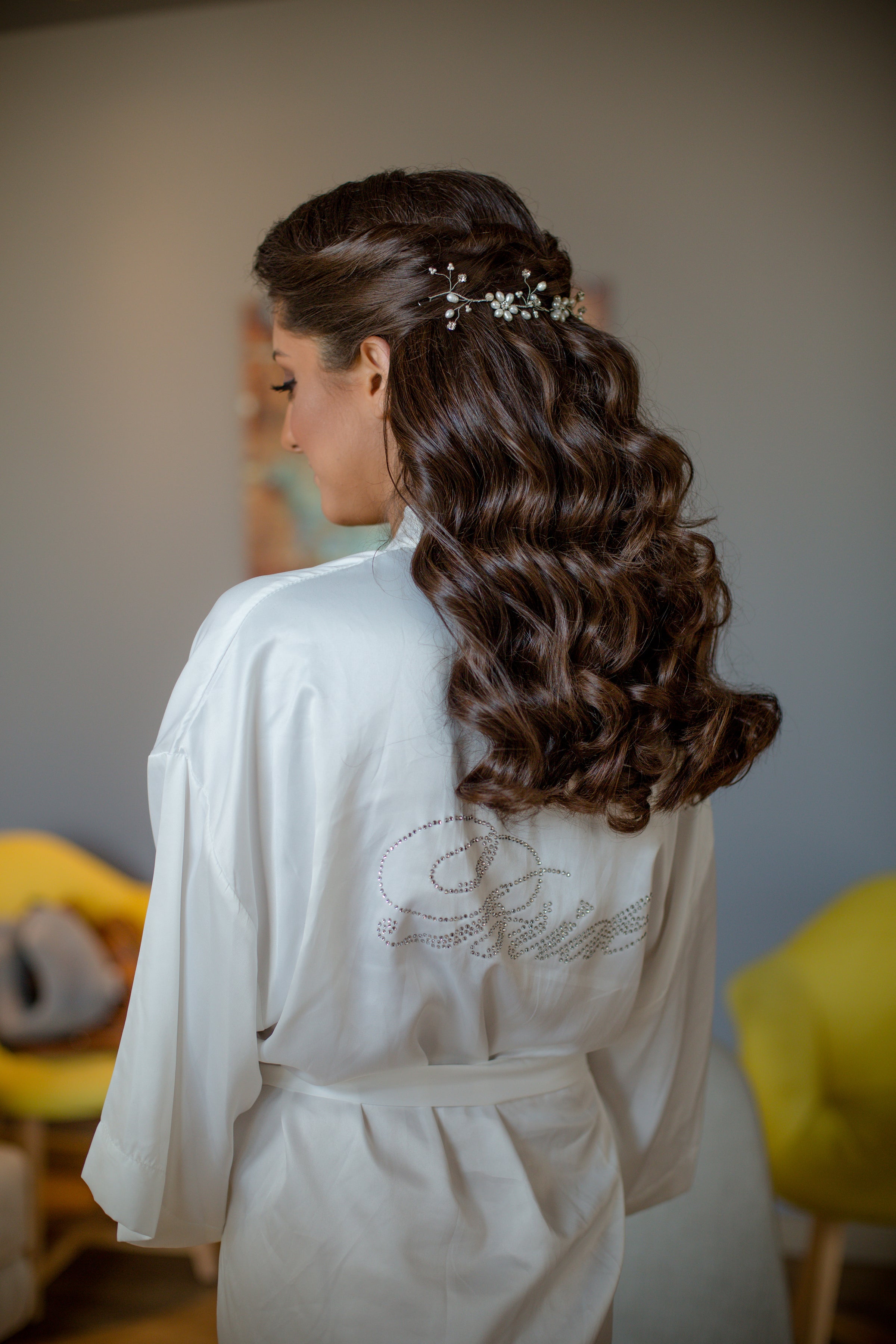

Frizz is one of the fastest ways to make a wig look worn out. The strands start to feel rough, the ends puff up, and the style loses its smooth shape. This can happen to both human hair and synthetic wigs, especially after washing, frequent styling, or simple daily friction.
In this guide, you’ll learn how to fix a frizzy wig with practical solutions for both human hair and synthetic wigs – helping restore smoother, more natural-looking strands.

Before trying to fix the problem, you need to understand why wigs become frizzy in the first place. Frizz rarely happens without a cause. In most cases, it’s the result of repeated stress on the fibers.
The most common cause is simple friction. With longer wigs, the hair often rubs against collars, scarves, or jacket shoulders throughout the day. Over time, this friction roughens the outer layer of the hair fibers.
For synthetic wigs, this friction gradually wears down the protective coating that keeps the fibers smooth. Once that layer breaks down, the ends start to tangle and puff outward.
Many people wash wigs the same way they wash natural hair. Unfortunately, that approach often creates more frizz. Common actions include:
Scrubbing the wig instead of soaking it
Using regular shampoo with strong sulfates
Rinsing too aggressively
Twisting or wringing the hair
Human hair wigs can tolerate heat, but repeated use of flat irons, curling irons, or blow dryers eventually dries out the strands. When the cuticle becomes rough and dehydrated, the hair loses its ability to lie smoothly.
Synthetic wigs are even more vulnerable. If they are not heat-resistant, direct heat can permanently warp the fibers, causing irreversible frizz.
Over time, styling products like oils, serums, and hairspray can build up on wig strands, making the hair stiff and harder to brush smoothly. This residue also attracts dust, which increases tangling and frizz.
At the same time, wig fibers naturally wear down with repeated washing and daily friction. As the fibers age – especially in synthetic wigs – they lose their smooth surface, which makes the ends more prone to frizz and roughness.
If your wig suddenly looks frizzy and you need a quick fix before deeper treatments, start with a few simple techniques that are safe for both human hair and synthetic wigs. These basic steps help reduce roughness, control tangles, and make the strands easier to manage.

Always start by detangling the wig properly. Trying to smooth frizz while the hair is still tangled usually makes the problem worse.
Place the wig on a wig stand or mannequin head so it stays stable while you work. Begin detangling from the very ends of the hair, not the roots. Starting at the bottom prevents tight knots from pulling tighter and damaging the fibers.
Use tools designed for gentle detangling, such as:
A wide-tooth comb
A loop wig brush
A wig-safe detangling brush
Work in small sections and move upward gradually. If you find a stubborn knot, hold the hair slightly above the tangle with one hand and gently loosen it with the comb using the other. This reduces tension on the wig cap and prevents unnecessary shedding.
Taking a slower, section-by-section approach may seem simple, but it dramatically reduces breakage and keeps the fibers smoother.
Further reading: Wig Brush Guide: How to Brush a Wig Without Damaging Fibers
Dry wig fibers are harder to control and more likely to frizz while brushing. Adding a small amount of moisture helps soften the strands and makes detangling easier.
Lightly mist the mid-lengths and ends using a spray bottle. The goal is to slightly dampen the hair, not soak it. Too much water can cause the strands to clump together and create new tangles.
Once the wig is lightly misted, begin detangling again slowly, working through small sections of hair. The added moisture allows the comb to glide more smoothly through the fibers.
Smoothing products are one of the easiest ways to improve the appearance of frizz, but the key is using a very small amount. Too much product can weigh the wig down and attract dirt.
For human hair wigs, a lightweight hair serum or a drop of argan oil works well. Rub a tiny amount between your palms and gently smooth it over the mid-lengths and ends. This helps seal the hair cuticle and reduce flyaways.
For synthetic wigs, choose a conditioning spray specifically formulated for wigs. These sprays coat the fibers with a thin protective layer that reduces friction, making the strands smoother and shinier.
Avoid heavy oils, creams, or thick styling products. They may temporarily flatten the frizz but often leave residue that makes the wig look greasy and harder to manage later.
Human hair wigs behave very similarly to natural hair. They respond well to moisture treatments, oils, and controlled heat styling. However, frequent heat tools, product buildup, or improper care can gradually make the hair dry, rough, and difficult to style. When this happens, the goal is to restore moisture, smooth the cuticle, and remove damaged ends.
Below are practical methods you can use to repair a frizzy human hair wig and bring the strands back to a smoother, healthier look.

Deep conditioning is one of the most effective ways to revive dry and frizzy human hair wigs because it replenishes moisture inside the hair strands.
Step 1: Gently cleanse the wig
Fill a basin with lukewarm water and add a small amount of sulfate-free shampoo. Submerge the wig and gently move it through the water for a few minutes so the shampoo can dissolve product buildup. Avoid rubbing or scrubbing the hair, as this can roughen the cuticle and create more tangles.
Step 2: Apply a moisturizing conditioner
After rinsing out the shampoo, apply a rich moisturizing conditioner from the mid-lengths down to the ends. These areas tend to be the driest because they experience the most friction during daily wear.
Leave the conditioner on the hair for 10–15 minutes so the strands have enough time to absorb hydration.
Step 3: Boost the conditioning effect
If the wig feels extremely dry or stiff, wrap the conditioned hair in a warm towel while the conditioner sits. The gentle warmth slightly opens the cuticle, helping the hair absorb moisture more effectively.
Step 4: Rinse with cool water
Rinse the wig thoroughly using cool water. This helps close the cuticle layer and leaves the hair smoother and shinier.
Place the wig on a stand and allow it to air dry naturally before moving to the next step.
Once the wig is about 70–80% dry, applying a small amount of oil can help smooth the hair surface and reduce flyaways. Argan oil works particularly well because it’s lightweight and absorbs quickly without making the wig greasy.
Important: Use one or two drops only. Rub the oil between your palms first so it spreads evenly. Focus the oil on:
The ends of the wig, where frizz usually appears first
The mid-lengths, if the hair still feels dry
Lightly glide your hands over these sections rather than rubbing the oil into the hair. Avoid applying oil near the roots or the wig cap, since oils can loosen the knots that secure the hair strands and may eventually lead to shedding.

When used correctly, heat styling can help reseal the hair cuticle and smooth rough strands. This is also one of the most common professional methods for fixing frizzy human hair wigs.
Step 1: Apply heat protectant
Spray a heat protectant designed for wigs or human hair extensions evenly throughout the hair. This helps prevent dryness and protects the strands from heat damage.
Step 2: Adjust the temperature
Set your flat iron to low or medium heat, typically around 250°F–300°F (120–150°C). Higher temperatures may smooth the hair faster but can easily dry out the strands.
Step 3: Divide the wig into sections
Separate the wig into small sections using clips. Working with thin sections allows the heat to distribute evenly and produces a smoother finish.
Step 4: Smooth each section
Starting near the roots, slowly glide the flat iron down toward the ends. Move steadily without pausing too long in one spot. This process aligns the hair strands and smooths the cuticle, which reduces the appearance of frizz.
While heat can be effective, it should only be used occasionally. Frequent heat styling can shorten the lifespan of a human hair wig.

Sometimes frizz is caused by split, frayed, or heavily tangled ends that cannot be repaired through conditioning. In this case, trimming the damaged areas is often the best solution. This method works for both human hair wigs and synthetic wigs.
If the ends feel rough or uneven, cutting off ½ inch to 1 inch can instantly improve how the wig looks and feels.
A few helpful tips:
Always use professional hair shears, not household scissors
Trim small amounts gradually instead of cutting too much at once
Follow the natural fall of the wig so the style stays balanced
Removing damaged ends allows the remaining hair to look smoother and healthier, which makes the entire wig easier to style.
Unlike human hair wigs, synthetic wigs require a different repair approach because the strands are made from plastic-based fibers rather than natural hair. This means they cannot absorb moisture the same way and are more sensitive to high heat. The goal when fixing a frizzy synthetic wig is to reduce friction, relax the fibers, and reshape them gently without melting or damaging the material.
Below are several safe methods that can help restore smoother synthetic wig strands.

Synthetic fibers respond best to conditioning sprays specifically formulated for wigs. These sprays help reduce static electricity and friction, two major causes of frizz and tangling in synthetic hair.
When applied, the spray forms a light protective layer around each fiber, allowing the strands to glide more smoothly against each other.
Lightly mist the wig from the mid-lengths to the ends. Then gently detangle the hair again using a wide-tooth comb, working from the ends upward – similar to the technique used for human hair wigs. This process helps separate tangled strands while keeping the fibers smooth.
Steaming is one of the most effective ways to relax frizzy synthetic fibers and restore a smoother texture.
Step 1: Place the wig securely on a mannequin head or wig stand.
Step 2: Hold a garment steamer about 6–8 inches (15–20 cm) away from the hair.
Step 3: Allow the steam to pass through the strands while gently combing downward with a wide-tooth comb.
Step 4: Work slowly through small sections until the hair begins to fall more smoothly.
The warm steam softens the synthetic fibers slightly, allowing them to realign and lose their puffiness. Avoid holding the steamer too close or focusing heat in one area for too long, as excessive heat can permanently warp the fibers.
If the wig is labeled heat-resistant, you can use a flat iron to smooth frizzy ends – but the temperature must remain very low.
Step 1: Set the flat iron between 180°F and 230°F (80–110°C).
Step 2: Test the temperature on a small hidden section first to make sure the fibers can tolerate the heat.
Step 3: Work in thin sections and gently glide the flat iron over the ends once.
Step 4: Stop immediately if the fibers begin to feel sticky or overly soft.
When done carefully, this technique can significantly reduce puffiness and make the ends look smoother and more controlled.
Also worth exploring: How to Detangle Synthetic Hair Extensions: Top Detanglers for Easy Care

Many frizz problems become worse because of well-intentioned but incorrect care habits. Over time, these small mistakes can gradually weaken the wig fibers and make frizz much more difficult to repair.
Brushing too aggressively: Pulling a brush through tangled strands damages both human hair and synthetic fibers. Always detangle slowly and patiently.
Using regular hair products on synthetic wigs: Products designed for natural hair can be too heavy for synthetic fibers. They often leave residue that makes tangling worse.
Washing wigs too frequently: Unlike natural hair, wigs do not receive natural oils from the scalp. Frequent washing dries the fibers unnecessarily. A typical wig only needs washing after 8–10 wears, depending on product use.
Storing wigs incorrectly: Throwing a wig into a drawer or bag compresses the fibers and creates tangles. Instead, store wigs on a wig stand or mannequin head to maintain their shape and prevent friction.
By now, you’ve explored how to fix a wig that is frizzy for both human hair wigs and synthetic wigs. From identifying the causes of frizz to applying the right techniques – whether it’s gentle detangling, deep conditioning, steaming, or trimming damaged ends – each step plays a role in restoring smoother, more manageable strands. In many cases, a frizzy wig doesn’t mean it’s beyond saving; with the right care and a few practical methods, you can significantly improve how the wig looks and feels.
We hope this guide helps you confidently handle common wig frizz problems and keep your wigs looking polished for longer. If you’re ready to upgrade your look, explore WIGI Hair’s premium collection of 100% human hair wigs, crafted to deliver natural movement, lasting comfort, and effortless style for every occasion.


Dejar un comentario