EXTENSIONES DE CABELLO WIGI
EXTENSIONES DE CABELLO WIGI
Trae BELLEZA a tu vida


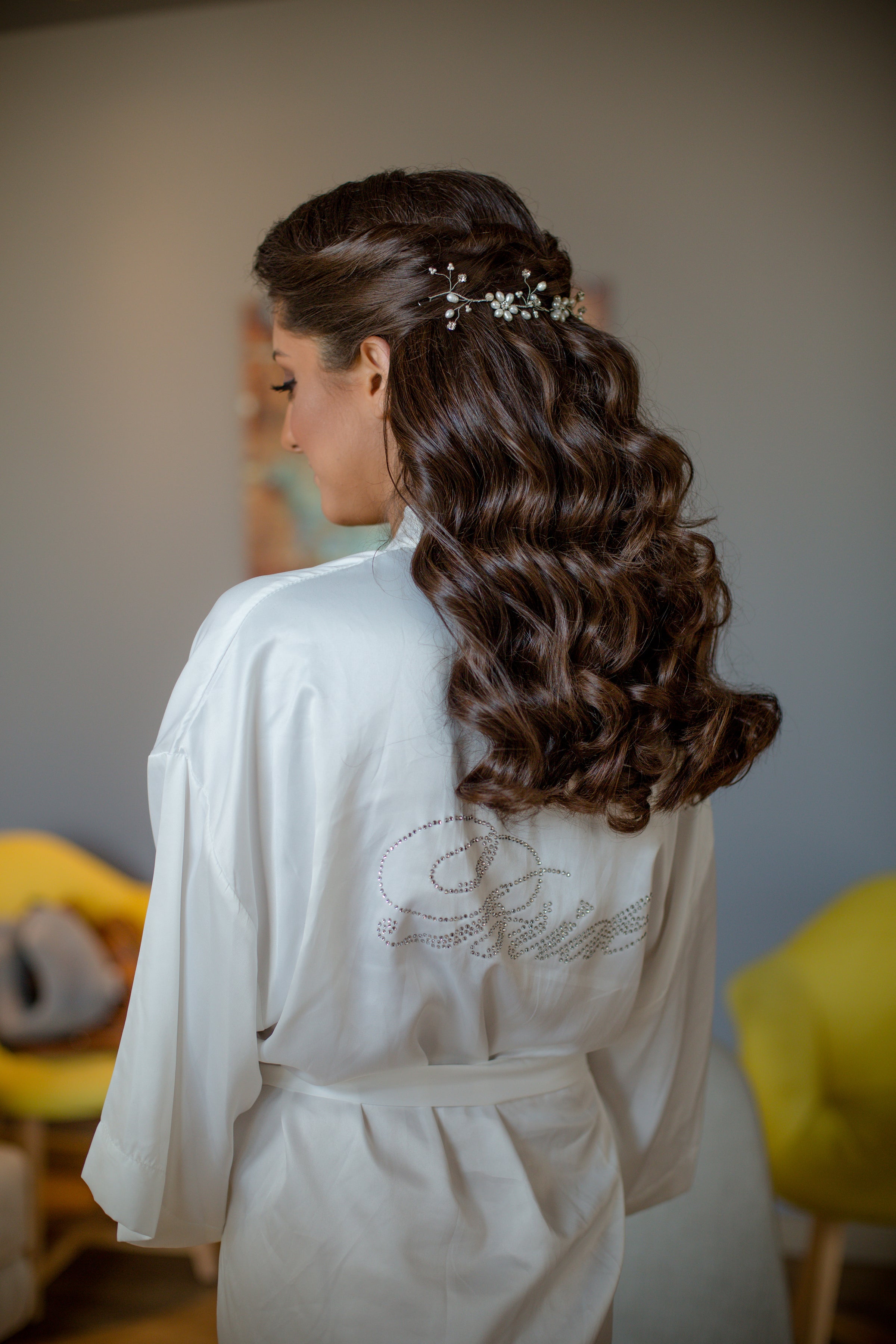

Choosing the right hair extension method can completely change how natural, comfortable, and long-lasting your extensions feel. With so many techniques available – from tape-in and micro link to fusion bonding and sew-in – it’s easy to feel overwhelmed.
This guide breaks down the most popular hair extension methods, the best method for different hair types, and the latest techniques used in salons today. Whether you want a quick temporary solution or a long-term professional installation, understanding how each method works will help you choose the one that truly fits your hair, lifestyle, and maintenance routine.

If you’ve been researching hair extension methods, you’ve probably noticed something quickly – there isn’t just one technique everyone uses. Walk into two different salons and you might hear completely different recommendations.
The truth is that each method was designed to solve a specific need—some focus on speed and convenience, while others prioritize durability, seamless blending, or minimal tension on the scalp.
Below are some of the most widely used hair extension methods in professional salons today, explained in a practical way so you can easily decide which one might suit your hair best.

Tape-in extensions use pre-taped wefts with medical-grade adhesive. A stylist sandwiches a thin section of the client’s natural hair between two adhesive strips, creating a flat bond that lies close to the scalp.
The strength of tape-in extensions comes from distributed weight. Instead of pulling from a single strand, the weft spreads tension across a wider section of hair, which reduces stress on the roots.
Installation Time and Longevity
Installation is relatively quick compared to most professional techniques. A full head typically takes 45–90 minutes depending on hair density.
The adhesive usually holds for 4–8 weeks, after which the extensions must be removed, the tape replaced, and the wefts reinstalled closer to the scalp. High-quality human hair tape-ins can often be reused 3–5 times, making them more cost-effective than they initially appear.
If you purchase pre-taped tape-in extensions and apply them yourself at home, installation may take 1–2 hours for beginners, since separating sections and aligning the tapes properly requires some practice. Many people find the process easier after a few tries.
Best Suited Hair Types
- Fine to medium-density hair
- Straight or slightly wavy textures
- People who want a natural, flat finish
Because the tape wefts are thin and flexible, they blend well even when the hair moves. When installed properly and covered with enough natural hair, the tapes are usually very difficult to see.
Pros and Limitations
Pros:
Lightweight and comfortable
Fast installation
Easy removal with solvent
Excellent for thin hair
Limitations:
Oil-based hair products can weaken the adhesive
Requires maintenance every 6–8 weeks
Not ideal for very oily scalps
Overall, tape-ins are often considered one of the most balanced options among different hair extension methods, offering a good mix of natural appearance, comfort, and affordability.

Clip-in extensions are the most accessible extension method available. Each weft comes with small pressure-sensitive clips that attach directly to natural hair. Unlike salon methods, clip-ins require no adhesive, heat, or tools. They can be installed at home within minutes.
Installation Time and Longevity
Clip-in hair extensions are quick and easy to apply. Once you get used to sectioning your hair, a full set can usually be installed in 5–10 minutes.
Because clip-ins are not worn continuously, they often last longer than many salon-installed extensions. With proper care, a set can typically be used for 6–12 months. High-quality human hair clip-ins may last over two years, depending on how well the hair is maintained. Limiting heat styling and handling the hair gently will help extend its lifespan.
Best Suited Hair Types
Special occasions or events
Clients testing extensions for the first time
People who prefer non-permanent solutions
Pros and Limitations
Pros:
Completely temporary
No chemical or heat exposure
Affordable compared to salon methods
Easy to remove before sleeping
Limitations:
Not suitable for daily wear long term
Clips may be visible if installed incorrectly
Can feel heavy if too many wefts are used
For beginners researching types of hair extension methods, clip-ins provide a safe starting point with minimal risk to natural hair.

Sew-in extensions, commonly called weaves, involve braiding the natural hair into tight cornrows along the scalp. Hair wefts are then sewn onto the braids using a curved needle and thread.
This method creates a secure foundation capable of holding heavier wefts, making it popular for voluminous styles.
Installation Time and Longevity
Sew-in extensions can last 6–10 weeks, depending on hair growth and scalp health. However, proper scalp care is essential. Clients must keep the braided base clean and moisturized to avoid buildup or irritation.
High-quality human hair wefts used for sew-ins can typically be reused multiple times and may last 12–24 months, depending on how well the hair is maintained between installations.
Best Suited Hair Types
Thick hair
Coarse textures
Naturally curly or coily hair
Because the method relies on tight braids to hold the extensions, people with very fine or fragile hair may find the tension uncomfortable or too heavy for their roots.
Maintenance and Longevity:
Sew-in extensions can last 6–10 weeks, depending on hair growth and scalp health. However, proper scalp care is essential. Clients must keep the braided base clean and moisturized to avoid buildup or irritation.
When installed correctly, sew-ins remain one of the most durable hair extension methods available.

Micro link extensions attach individual strands of extension hair using small silicone-lined beads. A stylist threads natural hair and extension hair through the bead and clamps it gently with pliers.
Unlike adhesive methods, micro links rely entirely on mechanical tension rather than glue or heat. With proper maintenance, micro link extensions can typically be worn for 2–3 months per installation, and the hair itself can often be reused for up to a year or longer.
One reason this technique has grown popular is that it avoids chemical bonding agents. For clients concerned about adhesive damage, micro links offer a more natural alternative.
Best Suited Hair Types
Medium-density hair
Hair that is strong enough to support individual attachments
If your hair is very fine or fragile, the beads may not hold securely and can sometimes slide down the hair shaft.
Pros and Limitations
Pros:
No glue or heat
Extensions move naturally with the hair
Can be repositioned instead of replaced
Limitations:
Installation can take several hours
Beads may slip if installed incorrectly
Requires professional maintenance

The fusion bonding hair extension method is often considered one of the most natural-looking professional techniques. Instead of attaching wefts, the stylist installs extensions strand by strand, allowing them to blend seamlessly with your own hair.
Each extension comes with a small keratin tip. During installation, a heated tool softens the keratin and molds it around a small section of natural hair, creating a secure yet flexible bond. Since keratin is a protein already found in human hair, the bond tends to feel lightweight while still holding firmly.
Because the bonds are tiny and discreet, fusion extensions move naturally with your hair and allow versatile styling, including ponytails or updos. With proper care, they typically last around 3–5 months, making them one of the longest-lasting professional hair extension methods.
Why It Is Considered a Premium Salon Technique
Fusion bonding is often classified as a premium extension method because:
Installation requires high technical skill
Each strand is attached individually
The final result offers exceptional blending
However, installation can take 3–4 hours, and removal requires professional dissolving solutions.
For clients seeking the best hair extension method for long-term wear, fusion bonding remains one of the top choices in professional salons.
Further reading: Before and After Hair Extensions: Compare Results with Tape, Nano Ring, Halo, Sew-in & More
Hair extension techniques have changed a lot in recent years. Stylists are constantly looking for ways to make extensions lighter, more comfortable, and harder to detect.
If you’ve looked into extensions before but felt worried about bulky bonds or visible attachment points, some of the newer techniques below were developed specifically to solve those problems.

Invisible tape-in extensions are essentially an upgraded version of traditional tape-ins. The key difference lies in how the hair is attached to the tape strip. Instead of being sewn onto the top edge of the weft, the hair is injected directly into the adhesive strip.
This allows your own hair to fall naturally over the tape area, which hides the attachment point much more effectively. The result is a tape extension that looks far less visible near the roots, especially for people with thinner hairlines.
Many stylists recommend invisible tape-ins for clients who want the convenience of tape extensions but need extra discretion around the crown or hairline.

Hand-tied extensions are another technique that has gained popularity in recent years. Unlike traditional machine wefts, hand-tied wefts are hand-sewn using very fine threads, which makes them thinner and more flexible. Instead of attaching directly with adhesive, the wefts are sewn onto a row of small silicone beads placed along the scalp.
Benefits include:
Less bulk near the scalp
Natural movement
Comfortable long-term wear
Because the wefts are extremely lightweight, they distribute weight more evenly along the row, which helps the hair move more naturally. For many clients, hand-tied extensions feel more comfortable than traditional weft installations while still providing significant volume.
Nano ring extensions are a more discreet version of micro link extensions. The rings used in this method are much smaller – often about 90% smaller than standard micro beads – which makes them harder to detect in the hair.
Like micro links, nano rings attach extension strands without glue or heat. Because the rings are so small, they’re particularly suitable for people with fine hair who want individual strand extensions without bulky attachments.
Installation does take time, but the finished result can look extremely natural when applied by an experienced stylist.

With so many hair extension methods available today, it’s easy to assume that one technique must clearly be the “best.” In reality, what works beautifully for one person can feel uncomfortable or look unnatural on someone else.
Instead of focusing on trends, it’s more helpful to look at a few practical factors. Thinking through the points below will make it much easier to narrow down the hair extension method that actually suits your hair and lifestyle.
Your natural hair structure is the first thing stylists evaluate before recommending any extension method. Hair that is fine or low-density cannot support the same techniques used for thicker hair. Heavy installations may put too much tension on the roots, which can lead to discomfort or breakage over time.
As a general guideline:
Fine or thin hair: tape-in extensions or nano rings tend to work best because they distribute weight gently
Medium-density hair: micro links or hand-tied wefts provide good balance between volume and flexibility
Thick or coarse hair: sew-ins and fusion bonds can hold securely without putting excess stress on the roots
Matching the method to your hair density is one of the most important steps in achieving extensions that look natural and remain comfortable long term.
Another key question to consider is how long you expect the extensions to last before needing adjustment or removal.
Different techniques are designed for very different timelines:
Clip-in extensions: temporary use, usually removed the same day
Tape-in extensions: typically worn for 4–8 weeks before repositioning
Sew-in extensions: usually last 6–10 weeks depending on hair growth
Fusion bonding: can last up to 3–5 months with proper care
If you prefer something you can remove whenever you want, temporary options like clip-ins may be ideal. On the other hand, if you want long-term length and volume with minimal daily effort, salon-installed methods such as fusion bonds or sew-ins may be a better investment.
Hair extensions always require some level of upkeep, but the amount of maintenance varies between methods. For example:
Tape-in extensions require regular repositioning as the hair grows out
Micro links may need periodic tightening to prevent slipping
Fusion bonds typically stay in place longer but require careful professional removal
Before choosing a method, it helps to think honestly about your routine. If you prefer low-maintenance hair, a method that needs frequent salon visits might become frustrating over time.
The best extension method is often the one that fits naturally into your lifestyle, not the one that looks most impressive on paper.
The cost of hair extensions isn’t just about the hair itself – it also reflects the skill and time required for installation. Techniques like fusion bonding or hand-tied wefts require:
Specialized tools
Advanced training
Several hours of installation time
Because of this, they are usually more expensive than simpler methods. However, choosing an experienced stylist is far more important than choosing the cheapest option. Poor installation – even with the best hair – can lead to tangling, slipping, or damage to your natural hair.
When considering any hair extension method, always factor in both the quality of the hair and the expertise of the person installing it.
With so many techniques available, it can be difficult to visualize how they compare in practical terms.
The table below summarizes the key differences between several popular methods. Looking at factors like installation time, longevity, and maintenance requirements can help you quickly understand which options might fit your needs.
|
Method |
Installation Time |
Longevity |
Hair Safety |
Maintenance |
|
Clip-In |
5–10 minutes |
Daily wear |
Very safe |
None |
|
Tape-In |
~1 hour |
4–8 weeks |
Safe for fine hair |
Reinstallation needed |
|
Sew-In |
2–3 hours |
6–10 weeks |
Best for thick hair |
Moderate upkeep |
|
Micro Link |
2–3 hours |
2–3 months |
Depends on hair strength |
Adjustments required |
|
Fusion Bond |
3–4 hours |
3–5 months |
Very secure if installed correctly |
Professional removal |
Seeing these differences side by side often helps simplify the decision process. Instead of guessing which technique might work, you can quickly identify the methods that match your desired longevity, maintenance level, and hair type.
Also worth exploring: Discover Good Hair Extension Brands 2025: Top Picks for Quality & Style
By now, you’ve seen that hair extension methods vary far more than most people expect. From quick temporary options like clip-ins to long-lasting techniques such as fusion bonding, each method is designed for a different purpose.
If you’re considering hair extensions for the first time, taking the time to learn about these methods can make a huge difference in the final result. The right installation technique – combined with high-quality human hair – can transform not just the length of your hair, but how naturally it moves, styles, and grows with you.
For those ready to explore premium options, WIGI Hair’s collection of human hair extensions offers carefully selected textures and professional-grade quality designed for seamless blending. With the right extensions and the right method, achieving fuller, longer, natural-looking hair becomes much easier than most people imagine.


Dejar un comentario