EXTENSIONES DE CABELLO WIGI
EXTENSIONES DE CABELLO WIGI
Trae BELLEZA a tu vida


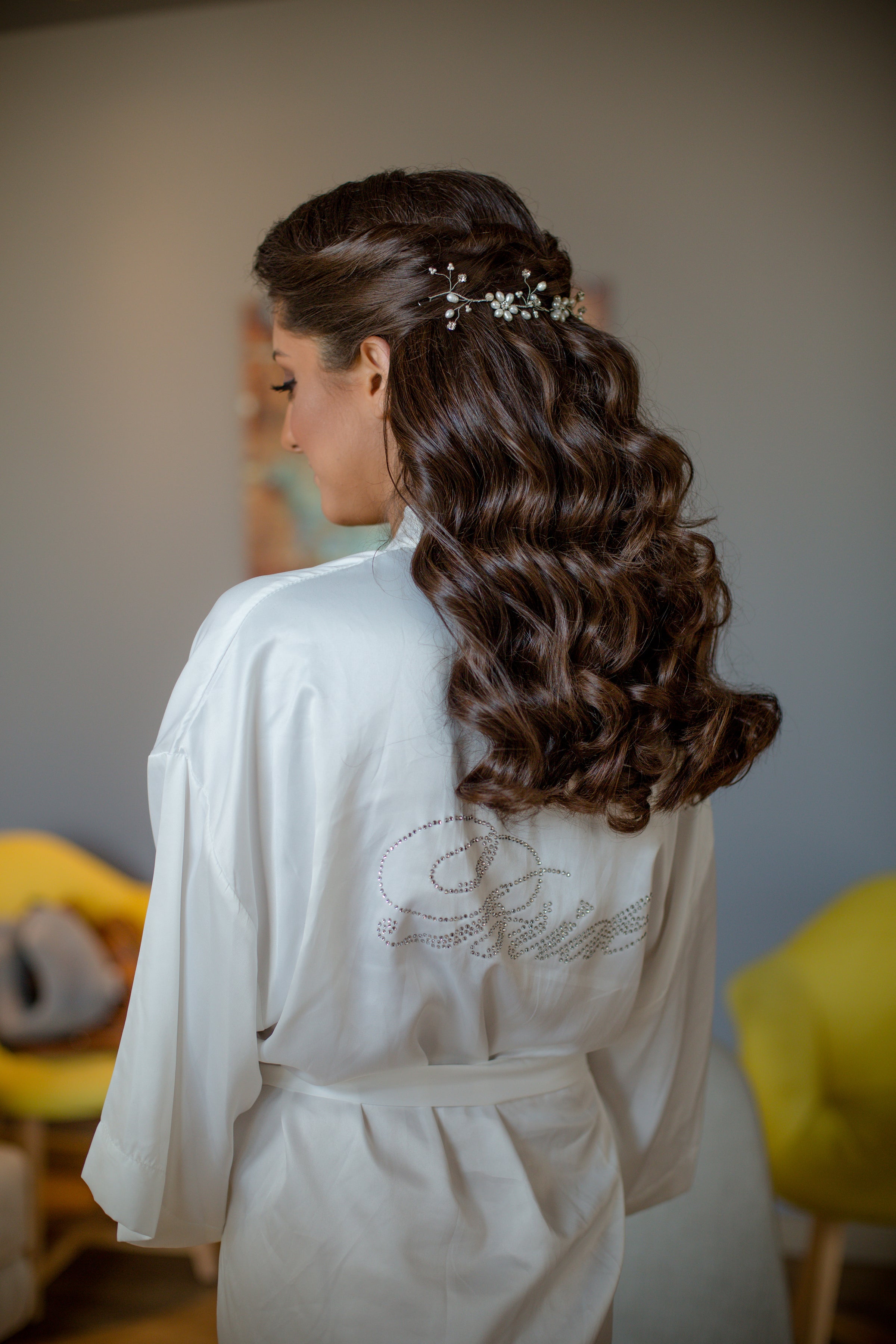

Yes, you can absolutely swim in a wig, but before you dive in, there are a few important things to keep in mind. Chlorine, saltwater, and active movement can quickly damage vulnerable strands or loosen your base if you are unprepared. By choosing a water-friendly hair type and taking a few simple steps to protect your unit, you can enjoy the pool or ocean completely worry-free. Below, WIGI Hair breaks down everything you need to know to keep your hair secure and looking great in the water.

When you step into a swimming pool or the ocean, your hair unit faces three main challenges: chemical exposure, mineral absorption, and physical friction.
Pool water contains chlorine, which acts as a powerful bleaching agent and stripping chemical. It removes the natural oils or moisture barriers from the hair strands, leading to severe dryness, rough cuticles, and matting.
Ocean water brings a high concentration of salt, which draws moisture directly out of the hair fiber, leaving human hair stiff and synthetic hair brittle. Furthermore, when wet, hair becomes significantly heavier. This added water weight puts extra strain on the lace, monofilament base, or skin PU material, weakening the bond of your glues or tapes.
To protect your hair fibers and base from the damaging effects of pool chemicals and saltwater when you swim in a wig, taking a few proactive steps before you dive in is essential.
A secure swim cap is your first and most important line of defense. Silicone or latex caps keep the vast majority of pool water and salt away from your hair unit.

Choose a cap that provides a watertight seal and protect better against water penetration than mesh or fabric alternatives, though latex offers a tighter fit if preferred.
Choose a size that accommodates the extra volume of a hairpiece without squeezing the temples, which can peel back the edges of your lace or PU base.
Place the front of the cap at your forehead and pull it smoothly backward over the crown to the nape of the neck, ensuring every stray strand is tucked inside to eliminate leakage points.

Water and motion can easily loosen standard daily adhesives. If you plan to swim actively, standard water-soluble glues will fail.
Switch to waterproof, sweat-resistant bonding glues or heavy-duty tapes specifically rated for aquatic sports.
Allow the adhesive to cure for at least twenty-four hours before getting into the water to ensure a firm, watertight seal.
Alternatively, a secure velvet wig grip band combined with bobby pins or clips can work well if you are wearing a cap over a non-glued piece.
If you allow your hairpiece to directly contact pool water without any protective barrier, the dry fibers will instantly absorb chlorine and minerals like a sponge, causing immediate dryness, structural weakness, and severe matting.
Before putting your unit on, thoroughly dampen it with clean, fresh tap water and apply a leave-in conditioner or a light coating of argan oil.
Because the hair is already saturated with clean water, it absorbs significantly less chlorinated or salt water while you swim, minimizing chemical penetration and structural dryness.
Also worth exploring: Stop a Wig from Shedding: 5 Effective Fixes & Prevention Tips
Not all hair units behave the same way under water pressure and chemical exposure. Selecting the right fiber ensures your style survives a day at the beach.

Human Hair: Offers the most natural movement and can be styled easily after swimming. However, it reacts much like biological hair – it absorbs chemicals, tangles easily when wet, and requires intensive re-hydration afterward.
Synthetic Hair: Standard synthetic fibers do not absorb water, meaning they dry quickly and hold their style. The downside is that friction from water and swim caps can cause permanent frizz or melting on lower-quality fibers if exposed to heat later.
If you are choosing between the two, WIGI Hair recommends opting for 100% human hair and focusing on deep moisturizing with specialized products after your swim. At WIGI Hair, we specialize in hair extensions and hair wigs crafted from 100% premium Vietnamese human hair, featuring diverse colors and versatile styles tailored to every need.
Our human hair is naturally strong, thick, and durable, allowing it to withstand the demands of active wear and water exposure much better than fragile alternatives. With proper care and conditioning, WIGI Hair pieces maintain their resilience and smooth texture, ensuring you can enjoy your favorite water activities without compromising on quality or style.
Choosing the right haircut or styling your strands properly before diving plays a major role in preventing tangles and keeping your hairpiece manageable.
Opting for Shorter Lengths and Layered Cuts: Long hair strands create substantial drag in the water, wrapping around each other and creating severe tangles as waves and currents push against them. Shorter cuts, bobs, or layered styles drastically reduce surface friction against your swim cap and make detangling much faster after you get out.
The Braiding Solution for Long Hair: If you prefer keeping your length, avoid leaving it loose under the cap. Divide your hair into two low, loose braids or a single braid, and pin them flat against the base before putting on your cap. This containment stops the strands from shifting and knotting together under water pressure.
The long-term durability of your hairpiece after you swim in a wig depends heavily on how you treat it the moment you step out of the water. Allowing chlorine or salt crystals to dry inside the fibers causes rapid stiffness and permanent texture breakdown. Therefore, follow these steps immediately after leaving the pool to restore moisture and protect your hair fibers:

Immediate Fresh Water Rinsing: As soon as you finish swimming, remove your swim cap and immediately rinse the hair unit thoroughly with clean, lukewarm tap water. This stops the chemical reaction of chlorine and washes away abrasive salt crystals before they can bond to the hair cuticle.
Safe Detangling Techniques: Wet hair is in its most fragile state, meaning aggressive brushing will snap the strands and tear the lace base.
=> Never brush a wet hair unit starting from the roots.
=> Apply a detangling spray or a generous amount of conditioner, then use a wide-tooth comb.
=> Gently work out tangles starting from the very ends and slowly move upward toward the base as the knots release.
Rehydrating and Air-Drying: After thorough detangling, wash the unit with a sulfate-free shampoo designed for processed hair, followed by a deep-moisturizing conditioner. Let the conditioner sit for ten minutes to restore lost lipids.
Always allow the hairpiece to air-dry naturally on a mannequin head rather than using high heat, which can permanently seal in dryness and cause fiber damage.
You can, provided you use waterproof adhesive and a tight-fitting swim cap. However, because daily lace fronts are delicate, many people prefer using an older or synthetic unit specifically designated for swimming to preserve their primary everyday hairpiece.
Further reading: Wearing Wigs Every Day: Can You Do It and How Long is Safe?
Both cause distinct types of damage. Chlorine strips natural moisture and alters hair color, while saltwater draws out hydration and leaves salt crystals that cause physical friction and breakage. Rinsing the unit with fresh water immediately after swimming prevents most of this damage.
The best approach is combining a waterproof, medical-grade adhesive or heavy-duty tape with a properly fitted silicone swim cap. The cap adds an extra layer of physical containment, keeping the water pressure from lifting the edges of your base.
Also worth exploring: How Long Do Human Hair Wigs Last? Lifespan & Durability Guide
Final Thoughts
Swimming in a wig does not have to be stressful or damaging to your favorite hairpiece. By taking a few practical precautions – such as wearing a secure swim cap, preparing your strands with a protective barrier, and choosing durable 100% human hair from WIGI Hair – you can comfortably enjoy the pool or ocean without worry. With the right care routine before and after you dive in, your hairpiece will stay vibrant, strong, and ready for your next adventure.
Explore the WIGI Hair 100% human hair wigs collection now to find your perfect match and experience seamless, premium quality.


Dejar un comentario