WIGI HAIR
WIGI HAIR
Bring BEAUTY to your life


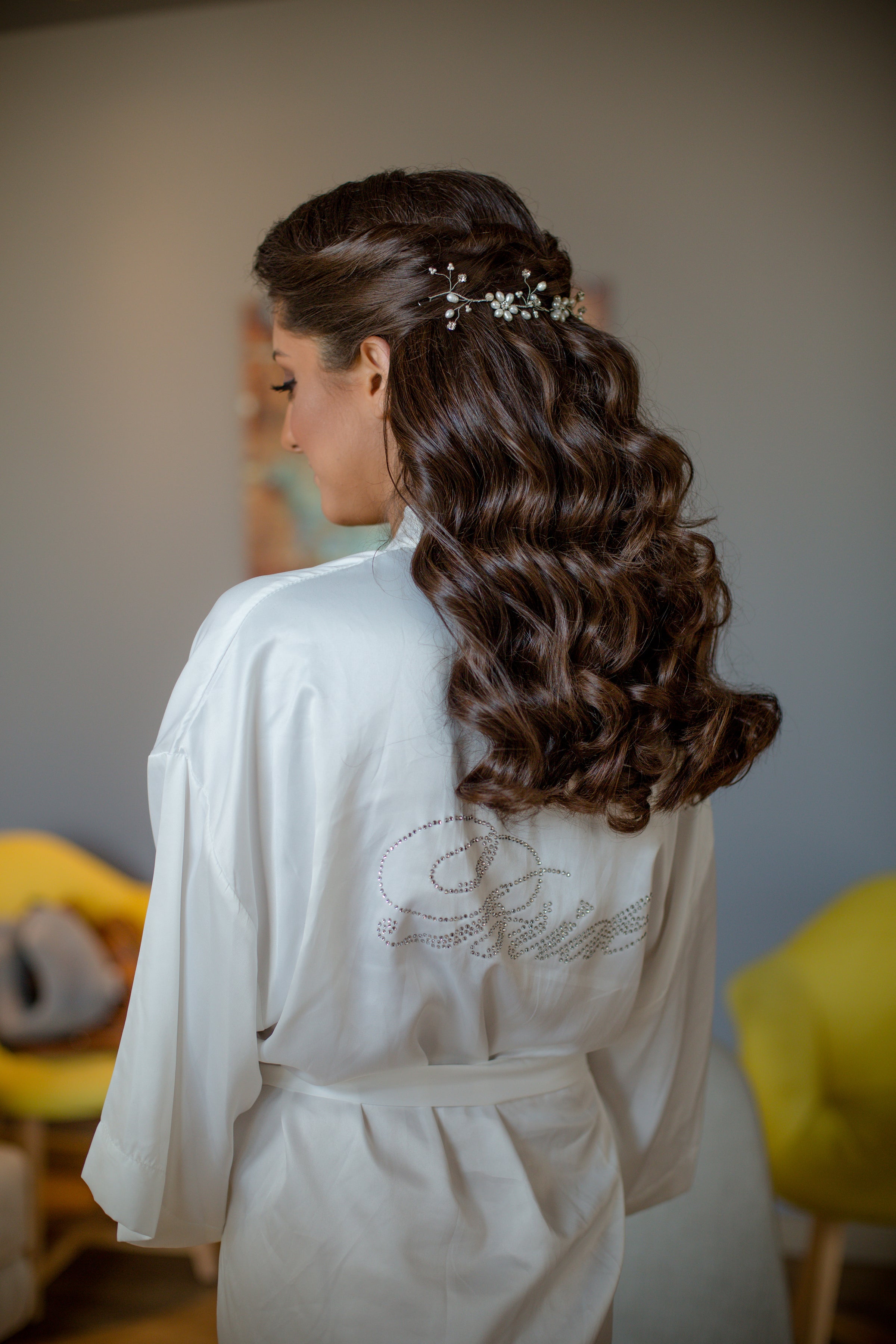

A great wig opens up endless possibilities for your look, but it rarely comes out of the box looking exactly the way you want. To get that perfect, natural flow, you need to know how to handle the hair correctly. It is easy to feel stuck when dealing with flat roots, stubborn fibers, or cutting a fringe for the first time.
That is why WIGI Hair created this complete walkthrough. This guide covers everything you need to know about how to style a wig from scratch. We will start with the essential tools and prep work, move into specific styling techniques for different hair types and cuts, and finish with professional methods to ensure your style lasts.

To achieve a clean, long-lasting look, you need the right setup before altering any hair fibers. Professional stylists rely on a specific set of tools to maintain control over the hair piece and prevent damage during the styling process.
Canvas Wig Block and Tripod Stand: A heavy-duty canvas head mounted on a stable tripod mimics the human head shape. This setup keeps the wig steady, allowing you to check symmetry and angles accurately from all sides.
T-Pins: These steel pins anchor the wig cap firmly to the canvas block. They hold the weight of the hair during heavy brushing or heat styling without tearing the delicate lace or inner cap construction.
Wide-Tooth Comb and Anti-Static Detangling Brush: Standard fine-tooth brushes pull out individual strands. A wide-tooth comb gently separates major knots, while a specialized anti-static brush smooths the length without creating friction or frizz.
Heat-Styling Tools with Adjustable Thermostats: Flat irons, curling wands, and hot rollers must have numerical temperature displays. Fixed-heat tools often run too hot, which can melt specialized synthetic fibers or dry out natural hair.
Professional Holding Products and Shears: Quality holding sprays, styling creams, and specialized thinning shears are essential. Thinning shears help remove bulk naturally, while premium freeze sprays provide structural hold without leaving a flaky residue.

Proper preparation acts as the foundation of your entire style. Rushing into heat tools or cutting before cleaning up the fibers leads to uneven sections and permanent frizz.
Place the wig onto your canvas block, aligning the center part with the middle of the mannequin's face. Push T-pins through the ear tabs, the nape of the neck, and the very top of the crown. Always insert pins at an angle into the thicker, reinforced areas of the cap rather than directly through delicate lace panels to avoid creating holes.
Never brush a wig from the roots downward, as this action pushes knots together, creating tight, unmanageable mats near the cap. Instead, divide the hair into manageable horizontal sections. Start at the very tips of the lowest section, gently working out the tangles. Once the ends are completely smooth, move your brush a few inches higher, working your way up to the roots section by section.
Before detangling dry or stubborn hair, apply a light mist of a specialized leave-in conditioning spray or an anti-static smoothing formula. This coats the strands, reduces friction, and allows your comb to glide smoothly through the sections without causing shedding or breakage.

Understanding the material of your hair piece dictates the exact techniques and temperatures required to shape it. Treating synthetic fibers the same as human hair can result in irreversible texture damage.
When learning how to style a human hair wig, treat the piece similarly to natural hair growing from a scalp. Human hair absorbs moisture, reacts to humidity, and requires regular hydration.
Heat Management: Always apply a professional heat protectant spray before using flat irons or blow dryers. You can safely use traditional styling tools within standard heat ranges (150°C to 180°C) to create waves, straight looks, or curls.
Product Usage: Human hair responds well to traditional hair oils, serums, and flexible-hold hairsprays. These products penetrate the cuticles to add shine, reduce frizz, and provide a soft, touchable texture.
High-quality synthetic fibers do not behave like natural hair. Instead of bending immediately under heat, synthetic fibers only change their shape when they reach a specific temperature molding point, and they permanently lock into that new shape only after they cool down completely.
The Heating Phase: Set your styling tool to a low, controlled temperature, ideally between 130°C and 140°C. Run a flat iron or curling wand over a section of hair to warm up the fibers.
The Cooling Phase: If you are curling the hair, roll the heated section onto a plastic roller or pin it in place with a clip while it is still hot. Let the fiber sit until it is completely cool to the touch. If you drop the curl while the fiber is still warm, gravity will pull the shape straight immediately.
Further reading: Synthetic vs Human Hair Wigs and Extensions: How to choose, Pros and Cons
When working on specialized character designs, standard styling methods are often insufficient. Learning how to style a cosplay wig requires structural manipulation to build gravity-defying shapes, sharp points, and clean silhouettes.

Anime and gaming characters often feature thick, voluminous hair that stands away from the head. To replicate this without teasing the hair into a tangled mess, use a micro-crimping iron.
Lift the top layer of the wig and pin it away.
Take the under-layers close to the wig cap and press the crimping iron down the first two inches of the root.
This creates a textured, zig-zag pattern underneath that acts as a hidden matrix, lifting the smooth top layers up and giving the entire piece a full, thick appearance.

To achieve the sharp spikes common in how to style a wig cosplay tutorials, work in small, controlled sections rather than attempting to shape large chunks of hair at once.
Sectioning: Isolate the section of hair you want to transform into a spike and comb it upward.
Trimming: Use thinning shears to cut the section at an angle, tapering the hair so it is wider at the base and thin at the tip.
Applying Product: Spray the base of the section with a high-hold freeze spray. Use your fingers to apply a small amount of styling gel to the tip, pinching it into a sharp point.
Setting: Immediately blow-dry the spike on a low, cool setting. The airflow dries the spray instantly, freezing the spike in mid-air.
For gravity-defying updos, large ponytails, or massive buns, standard wefts can become too heavy and slip off the head. Professional artists handle this by carving the core shape out of lightweight upholstery foam or styrofoam.
The hair fibers are then combed smoothly over the foam base, glued down with clear adhesive, and attached directly to the inner wig cap framework using heavy-duty stitching or wire supports. This keeps the design intact and balanced without adding unnecessary weight.

After spending hours crafting the perfect look, proper preservation prevents the fibers from dropping, tangling, or losing their definition during transport and storage.
Heavy, direct blasts of liquid hairspray leave a wet, shiny finish that dries into a brittle white crust. To avoid this, hold your setting spray at least 30 cm away from the wig. Spray in short, fine mists, letting each layer dry completely before applying the next. This creates an invisible, lightweight net over the hair that maintains the style's flexibility while repelling humidity.
For Structured or Spiked Wigs: Keep the piece pinned securely to a portable styrofoam or canvas wig head. Place the head inside a tall, sturdy box or a specialized wig travel case, securing the base so the styling does not touch the sides of the container during movement.
For Long, Flowing, or Loose Styles: Detangle the lengths completely, gently loop the long hair into a soft, loose circle, and slide the piece into a breathable satin storage bag. Satin reduces friction, preventing the formation of static knots while the wig is put away between uses.
Also worth exploring: How to Store Wigs at Home: Top Tips for Longevity and Care
Now that you have discovered how to style a wig by learning to handle, shape, and maintain your hair pieces, choosing the right base is essential to getting the exact look you want. Whether you need a high-quality option for heat styling or a premium piece for a completely natural flow, WIGI Hair offers a dedicated collection of wigs designed to suit your styling goals.
From daily fashion wear to intricate character transformations, WIGI’s collection gives you the freedom to experiment with your style confidently. Explore our website today to find your perfect wig and create a beautiful look that holds its shape for a long time.


Leave a comment