WIGI HAIR
WIGI HAIR
Bring BEAUTY to your life


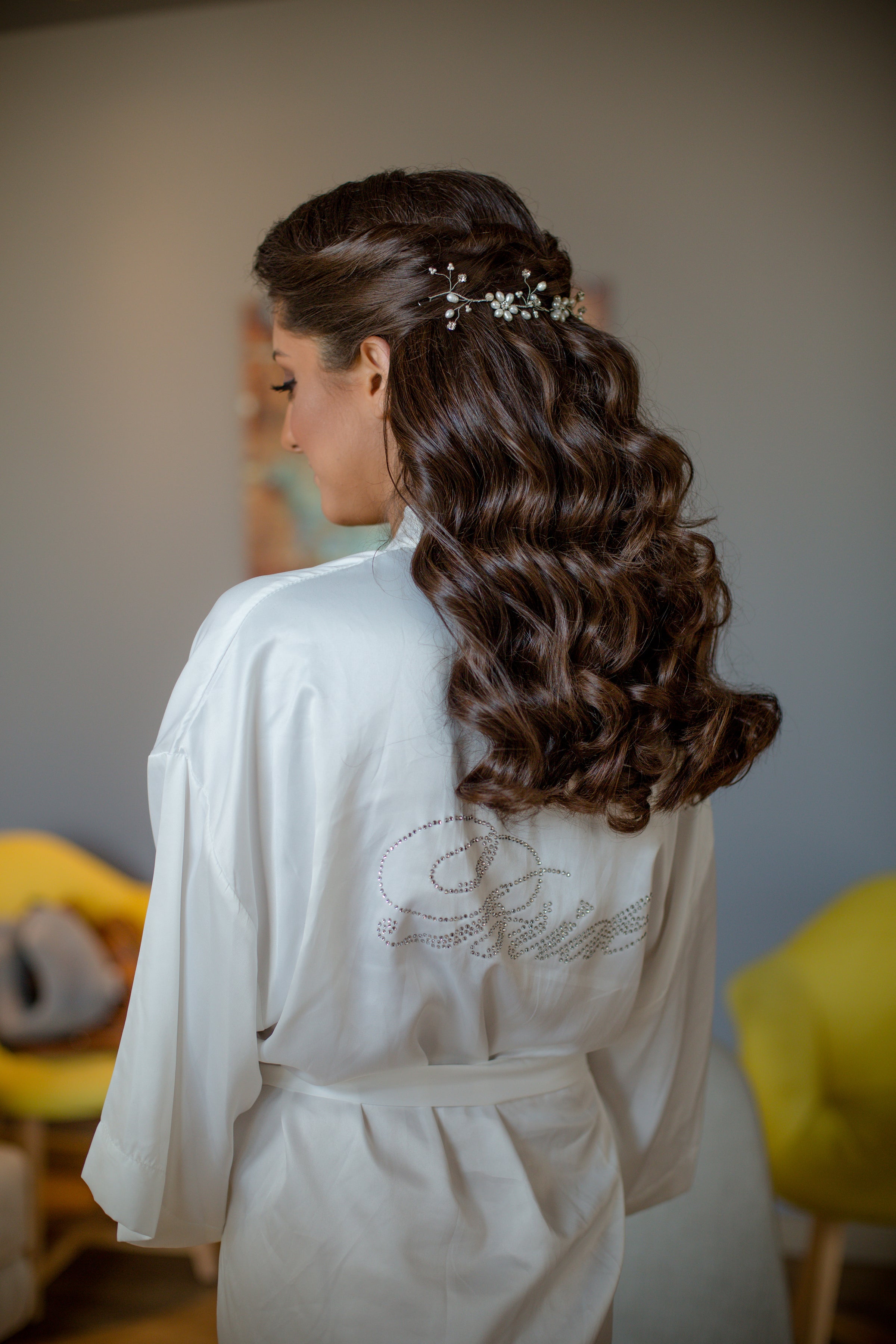

On average, a professional sew-in extension lasts between 6 to 8 weeks. With high-quality human hair and proper maintenance, the lifespan can extend up to 10 weeks. However, to fully protect your natural hair and maximize your scalp health, it is highly recommended to remove or reinstall the weave after this period. In this guide, WIGI Hair explains how long sew-ins realistically last, what affects their durability, and how to keep them looking fresh for as long as possible.

Sew-in extensions (also known as weaves) are a protective hairstyle where hair wefts are sewn onto tightly braided cornrows using a needle and thread. Unlike clip-ins or tape-ins, sew-ins do not rely on adhesives or daily removal, which makes them one of the most secure semi-permanent extension methods.
The process typically starts with braiding the natural hair into cornrows that follow the shape of the scalp. Then, wefts of either human or synthetic hair are stitched onto these braids. Depending on the desired style, a leave-out section or a closure/frontal piece may be used to create a natural-looking hairline.
A full install can take 2-4 hours, depending on density and complexity, especially for styles like closure sew-ins.
Beauty enthusiasts widely prefer sew-in extensions over temporary methods due to three core structural benefits:
High Longevity: Provides a secure, semi-permanent hold that eliminates daily re-application.
Natural Hair Protection: Tucks away natural strands into braids, drastically reducing daily manipulation and mechanical stress.
Styling Versatility: Supports diverse textures and high-tension styles without relying on chemical adhesives or heavy tape glues.
While these structural advantages make the method incredibly popular, its actual durability isn’t fixed; it depends heavily on proper care. This brings up the ultimate question: How long do sew-ins last in real life?

On average, a professional semi-permanent sew-in lasts between 6 to 8 weeks depending on root growth. Industry-leading human hair brands, such as WIGI Hair with high-quality human hair and professional installation can extend wear to up to 10 weeks when supported by a consistent nighttime satin routine and proper maintenance.
Average lifespan of sew-in extensions:
Light maintenance sew-ins: 4–6 weeks
Standard sew-ins: 6–8 weeks
Well-maintained installs (professional + proper care): up to 10 weeks
After this period, natural hair growth causes the braids to loosen, which affects both appearance and scalp health.
How long do closure sew-ins last compared to regular sew-ins?
Closure sew-ins tend to last slightly longer than leave-out sew-ins because they reduce manipulation of natural hair.
Closure sew-ins: 6-9 weeks
Leave-out sew-ins: 6-8 weeks (more prone to blending stress and heat styling)
Closures protect the hairline area, which reduces daily styling damage, making the install more stable over time.
With excellent maintenance, high-quality sew-in weaves can stay neat for up to 8-10 weeks. However, even if the hair still looks good, scalp health and not appearance should determine when the sew-in is removed.
Further reading: How Long Should Hair Extensions Last? Everything You Need to Know
The lifespan of a sew-in depends on several factors, including the quality of the hair, the installation technique, scalp condition, and daily maintenance habits. Even high-quality extensions can wear out quickly if the foundation is unstable or the hair is not cared for properly.

The type of hair extensions you choose is the single biggest predictor of how long your install will stay looking flawless. While synthetic options offer a budget-friendly fix for short-term wear, they lack the structural integrity needed to withstand daily styling. On the other hand, premium human hair retains its natural movement, elasticity, and cuticle alignment, allowing it to endure regular washing and heat without matting.
To help you understand the real-world performance differences, here is a direct comparison between the two materials:
|
Features |
Human Hair Wefts |
Synthetic Hair Wefts |
|
Lifespan |
6 – 10 weeks (Reusable) |
3 – 6 weeks (Maximum) |
|
Washability |
Can withstand weekly washing without losing structure |
Fibers break down quickly after moisture exposure |
|
Heat Styling |
Safe for heat tools, curling, and straightening |
Easily melts or frizzes under heat friction |
|
Tangling Risk |
Low (Cuticles remain aligned) |
High (Matting occurs quickly at the nape) |
A poorly installed sew-in is the fastest way to reduce durability. Key mistakes include:
Braids too loose (causing slipping)
Over-tight braiding (causing scalp tension and breakage)
Uneven weft spacing (creating bulk and discomfort)
A properly installed sew-in should feel secure without pulling. Poor installation is one of the main reasons sew-ins fail before 6 weeks.

The condition of your scalp and natural hair determines how stable the foundation will remain over time.
An oily scalp can weaken the grip of the braids at the roots, causing tracks to loosen faster. A dry or flaky scalp often leads to itching, which increases manipulation and weakens the cornrows. Both conditions reduce longevity.
Hair strength also plays a role. If natural hair is weak or brittle, it cannot hold braid structure tightly, leading to uneven tension and early shifting of extensions.
In practice, scalp imbalance can reduce sew-in lifespan by 1–2 weeks even when installation is correct.
How you treat your sew-in daily significantly affects how long it lasts. Frequent restyling, especially with heat tools on leave-out areas, increases stress on the installation. Heavy oils or creams applied near the scalp create buildup between braids, which weakens stitching over time.
Improper detangling is another common issue that shortens the lifespan of a sew-in. When knots form at the ends and are not removed properly, they travel upward and create tension at the weft base. Even small habits repeated daily gradually reduce the lifespan of the sew-in.

Friction during sleep is one of the most common causes of tangling and early wear. Without protection, friction against cotton pillowcases can dry out the hair and cause tangling, especially around the nape area.
Sleeping with satin or silk materials significantly reduces this friction. A loose braid or wrap also helps distribute tension evenly and prevents unnecessary pulling.
It is also important to avoid sleeping with wet hair because moisture weakens braid structure and increases swelling at the roots.

To maximize the wear-time of your weave without damaging your natural roots, WIGI Hair recommends implementing this daily maintenance routine:
Follow a gentle washing routine: Wash your sew-in every 7–10 days using diluted shampoo. Focus on the scalp rather than scrubbing the lengths. Apply water gently using an applicator bottle to avoid disturbing braids.
Avoiding product buildup and heavy oils: Avoid thick oils and heavy creams near the scalp. These products accumulate between braids and cause itchiness and loosening. Instead, use lightweight scalp serums or sprays.
Brushing and detangling correctly: Always detangle from the ends upward. Hold the roots while brushing to prevent tension on the braids. Use a loop brush or wide-tooth comb designed for extensions.
Protecting hair while sleeping: Nighttime care helps reduce friction, prevent tangling, and keep the sew-in looking neat for longer. Before going to bed:
Loosely braid or twist the hair
Wrap with a satin bonnet or scarf
Avoid sleeping with wet hair
When to refresh or tighten your sew-in: If you notice slight loosening at the roots around week 3–4, a professional tightening can extend wear by another 1–2 weeks. However, full reinstall is recommended once braids begin to grow out visibly.

No sew-in is meant to last forever. Even if the hair looks good on the surface, the foundation underneath weakens over time. Paying attention to these clear physical signs helps prevent tension, matting, or damage to your natural hair:
Loose tracks or visible braids: This is typically the first indication of natural hair growth. When cornrows shift or tracks no longer feel secure, the install loses its structural stability and becomes difficult to style neatly.
Root tangling and matting: Severe knots near the roots signal product buildup or shedding trapped underneath the wefts. If persistent knots return immediately after detangling, the install has reached the end of its lifespan.
Bulky or lifted roots: A proper install must lay flat against the scalp. Noticeable lifting, shifting, or unevenness means new hair growth has altered the original structure of the sew-in.
Scalp discomfort and irritation: Persistent itching, prolonged tightness, or skin irritation indicates that sweat, oil, or tension has compromised the scalp environment, requiring immediate removal or refreshment.
For most people, reinstalling the sew-in after about 6–8 weeks helps maintain both the appearance of the style and the health of the natural hair underneath.
Q1. How long do sew-in extensions last on average?
Most sew-ins last 6-8 weeks, depending on installation quality and maintenance routine.
Q2. Can sew-ins last longer than 2 months?
Yes, but it is not recommended. Beyond 8–10 weeks, scalp tension and matting risks increase significantly.
Q3. Do closure sew-ins last longer than leave-out styles?
Yes. Closure sew-ins usually last slightly longer because they reduce heat styling and daily manipulation.
Q4. How often should you redo a sew-in?
Every 6-8 weeks is ideal for maintaining both style and scalp health.
Q5. Why does my sew-in loosen so quickly?
Common reasons include poor installation, excessive product buildup, improper washing, and lack of nighttime protection.
Also worth exploring: The Ultimate Guide to Hair Extension Care: Tips, Products, and Best Practices
Sew-in extensions are one of the most reliable protective styles, but their lifespan depends entirely on how they are installed and maintained. While the average sew-in lasts around 6-8 weeks, proper care can extend both the beauty and safety of the style.
Understanding the key factors: installation technique, hair quality, scalp health, and daily habits helps you not only maximize wear time but also protect your natural hair underneath.
If you need help choosing the right sew-in or hair extension method, the team at WIGI Hair is always available to assist you. We offer personalized guidance throughout the entire process, from selecting the best hair texture and installation type to helping you maintain a natural, long-lasting result that fits your lifestyle and hair goals.


Leave a comment