WIGI HAIR
WIGI HAIR
Bring BEAUTY to your life


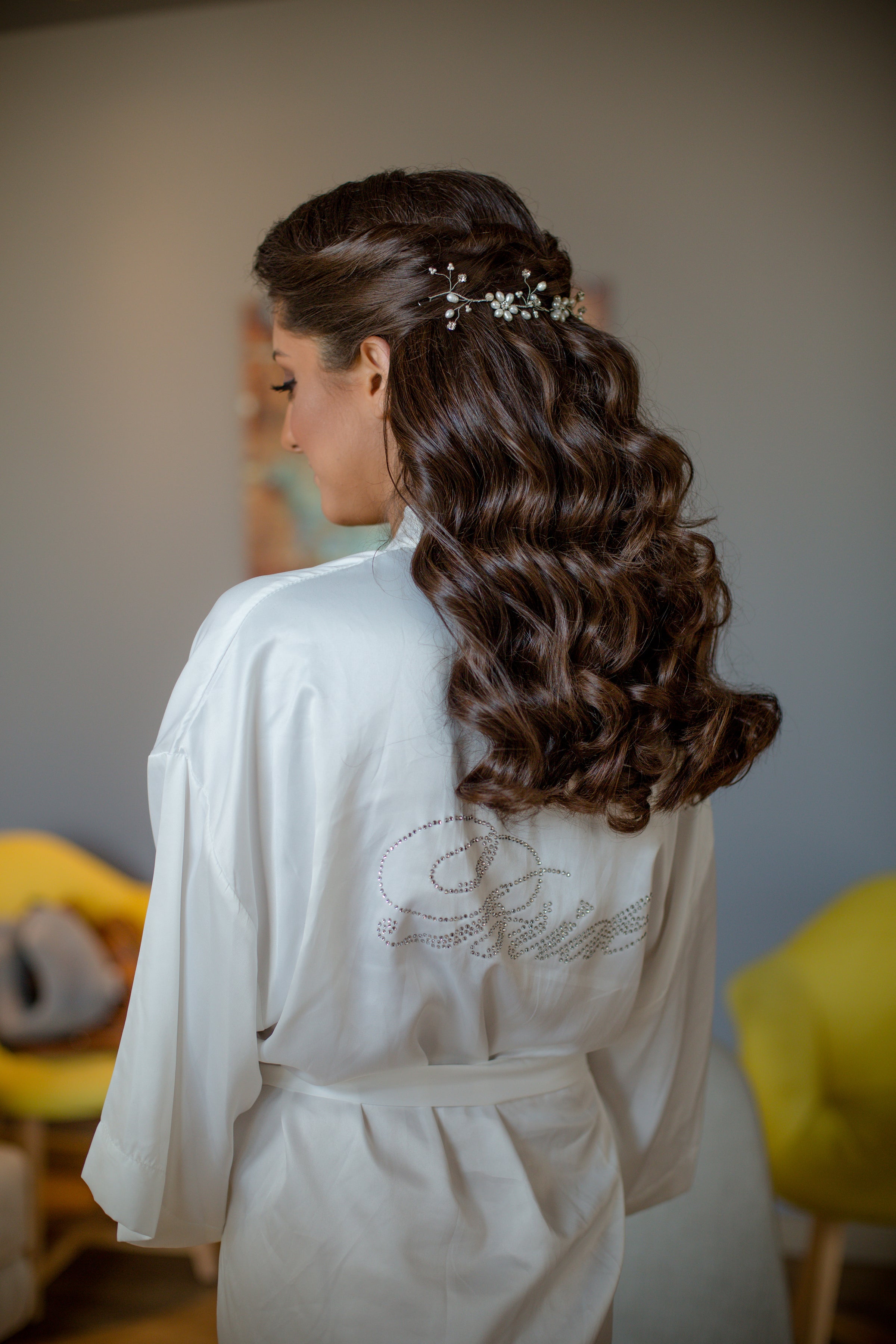

One day your hair is smooth and manageable, the next, it may feel unexpectedly coarse, thin, or frizzy. While we expect consistency, hair texture change is a natural part of aging and hormonal changes.
We believe that while you can't always control how your hair evolves, you can always choose how you wear your confidence. Let’s gently walk through why these changes happen and how you can embrace your most beautiful self, no matter the texture.

If you’ve noticed your strands becoming thinner, rougher, or losing their natural bounce, you aren't alone. Your hair texture is determined by the shape of your hair follicles under the scalp.
The shape of hair follicles influences hair texture: round follicles tend to produce straight hair, while oval or flattened follicles create wavy or curly hair. Genetics and keratin structure also play a significant role. However, these molds can change over time due to two simple reasons: Changes inside your body and impacts from the outside world.
Changes inside: Your body is constantly evolving. Events like having a baby, hitting a certain age, or shifts in your health act like a switch, telling your hair pores to grow hair that is finer, drier, or even a different shape.
Impacts from the outside: Daily habits like using high heat, coloring your hair, or even the minerals in your shower water can wear down the hair’s protective surface. This makes your hair feel crunchy or frizzy instead of soft and smooth.
Since hair grows slowly, you might not notice these changes overnight. But once you understand that your hair is simply reflecting your life’s journey, you can start choosing the right ways to care for it.
After learning how your hair is formed, let’s look at why its texture starts to change. Usually, it comes down to these 5 common reasons:

Hormones act as the primary messengers for your hair follicles. When they shift, your hair follows:
After Pregnancy: The sudden drop in hormones can make hair feel limp, lose its curl, or even shed more than usual.
Menopause: As we enter a new stage of life, a decrease in female hormones can make hair follicles smaller. You might find your hair becoming much finer or, in some cases, it can become wiry and dry.
As we age, every part of our body undergoes a transformation, and the scalp is no exception.
Less Natural Oil: As time goes on, our scalp produces less oil. Without this natural moisturizer, hair becomes drier, stiffer, and more prone to tangling.
Narrowing Strands: Over time, the hair strands themselves tend to get thinner, which makes your overall ponytail feel smaller than it used to be.

Sometimes, a hair texture change is your body's way of sending a distress signal.
Thyroid and Vitality: If you have thyroid disorders or hormonal imbalances, especially with thyroid health, your hair is often the first to show it by becoming brittle or dull.
Missing Nutrients: If you aren't getting enough iron or healthy fats, your hair loses its building blocks, making the hair feel fragile and dry.
Frequent bleaching or using flat irons at very high heat breaks down the hair's strength. As the hair loses its natural elasticity, you may find that your curls don't hold as well as they used to, or your straight hair starts to feel rough and prone to frizz.
The world around us – and how we feel – directly affects our hair quality.
Hard Water and Sun: Strong sunlight or minerals in your tap water can create a rough coating on your hair, making it feel dry no matter how much conditioner you use.
High Stress: When you are under a lot of pressure, your body can push hair into a resting state, leading to a duller, thinner texture that's harder to style.

Knowing why your hair is changing is the first step, but knowing how to care for it is what brings your confidence back. Managing these changes works best when you combine quick, daily care with long-term habits that support your hair from the inside out.
Adjusting Your Topical Hair Care Routine
For Dry/Coarse Hair: Look for products with natural oils (like Argan or Shea). These act like a top coat to soften the hair.
For Fine/Thinning Hair: Use lightweight proteins. They help plump up each strand so your hair feels fuller without being weighed down.
Scalp Health as a Foundation

Scalp Massage: Take a few minutes while washing your hair to gently massage your scalp. This simple habit improves blood flow and keeps your hair roots active.
Nutritional Support
Healthy Fats: Salmon, walnuts, and avocados provide the oils your hair needs to shine.
Vital Minerals: Ensure you have enough iron and zinc in your diet to keep the hair structure strong and prevent breakage.

We understand that clinical treatments and dietary changes take time, often months to show results. At WIGI Hair, we specialize in bridge solutions that allow you to feel beautiful immediately while your natural hair goes through its transition.
When your hair texture becomes irregular – perhaps thicker in the back and thinner at the temples – standard styling often fails. High-quality hair extensions are a powerful tool for consistency.
By integrating extensions that match your desired texture, we can mask thinning areas and provide a uniform, healthy appearance. Our extensions don't just add length; they add the structural heft that aging or hormonal changes may have taken away.
For women experiencing significant thinning at the crown or a drastic change in hair density, a premium hairpiece (topper) is a life-changing investment. WIGI’s hairpieces are designed to be weightless and breathable. They integrate seamlessly with your natural hair, providing coverage exactly where the texture change is most visible. It’s not about hiding; it’s about enhancing your look so you can walk into any room with your head held high.
At WIGI Hair, we advocate strictly for 100% human hair. Synthetic fibers have a uniform sheen that rarely blends with the complex nature of changing natural hair. Human hair allows for:
Heat Styling: You can curl or straighten the pieces to match your current hair texture perfectly.
Natural Movement: It sways and reacts to moisture just like your own hair, ensuring your look remains natural.
Longevity: Quality human hair stays soft and tangle-free, mirroring the healthy texture you desire.

[Explore WIGI Hair’s Premium Extensions & Hairpieces]
Also worth exploring: Will Hair Extensions Ruin Your Hair? The Truth About Damage and Hair Loss
A change in hair texture is simply a signal that you are evolving into a new season of life. It’s an opportunity to rediscover yourself and refine your beauty ritual.
At WIGI Hair, we are honored to be part of that journey. We don't just provide hair; we provide the freedom to look and feel radiant, no matter how your natural texture decides to grow. Visit WIGI Hair today to discover the perfect extensions for you and enhance your look with ease.


Leave a comment