WIGI HAIR
WIGI HAIR
Bring BEAUTY to your life


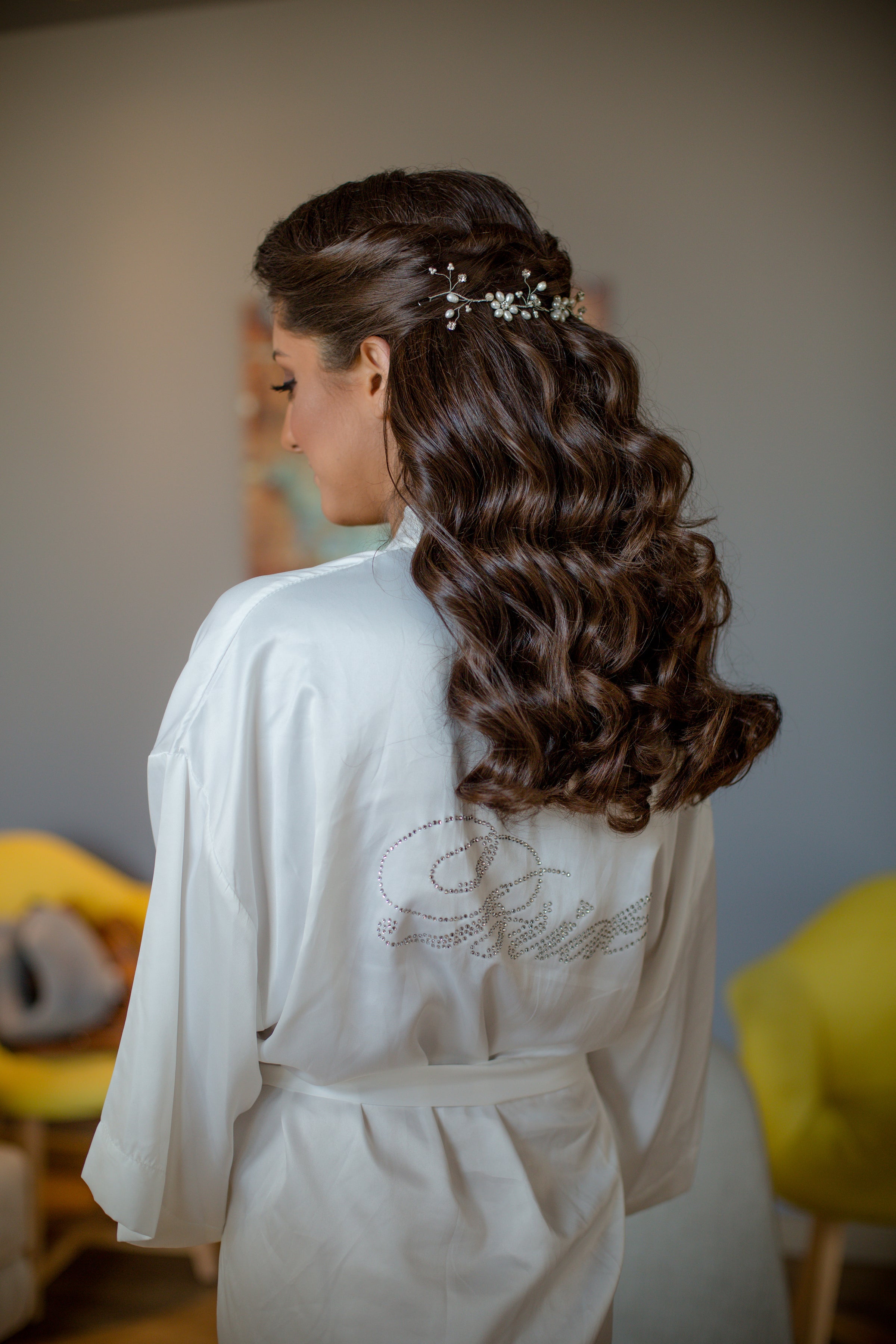

A resilient, healthy mane requires more than a standard wash and condition, especially when dealing with constant heat styling, coloring, or the friction from daily hair pieces. When the cuticle layer breaks down, strands lose moisture, elasticity, and shine.
Drawing on years of expertise from WIGI Hair – a specialized provider dedicated to crafting products from 100% human hair – this guide outlines a complete damaged hair care routine.
We will provide a step-by-step framework to reverse wear, restore structural integrity, and protect vulnerable strands from further harm.
Before jumping straight into a repair regimen, understanding the root of the problem is essential. Let us look closely at how to spot the damage and what caused it in the first place.
Many people confuse dry hair with damaged hair, but they are two different issues that need separate care.
Dry hair: Lacks natural moisture or oils due to scalp type or weather. It feels rough to the touch, but the inner structural integrity remains strong.
Damaged hair: Occurs when the outer protective cuticle layer cracks, lifts, or wears away, exposing the fragile inner cortex.
Safe At-Home Tests for Damaged Hair (Using a Shed Hair): Instead of pulling hair directly on the scalp – which risks confusing normal daily shedding (50–100 strands a day) with actual breakage – take a clean, naturally shed strand of hair to perform these observations:
Cuticle Texture Test: Hold the shed strand between two fingers and slide them gently upward from the ends toward the root. If the hair feels rough, uneven, or catches against your fingers, it may indicate that the outer cuticle layer has weathered or roughened.
Elasticity Observation: Gently pull a wet shed strand. If the fiber is excessively brittle and snaps immediately, or stretches abnormally without returning to its original length, it may point to altered mechanical properties caused by heat or chemical exposure.
Hair damage usually comes from two main sources: chemical treatments, and heat or physical friction from styling.
Heat Styling Over 180°C: Using flat irons, curling wands, or setting hair dryers above 180 degrees makes hair dry and weak over time.
Bleaching and Lightening: Lifting your natural hair color requires strong chemical developers. Platinum blonde, silver, and bright fashion shades need the heaviest bleaching, which strips away the hair's natural strength and leaves it very fragile.
Chemical Perms and Straightening: These salon treatments use strong chemicals to change your hair shape, leading to easy snapping and breakage.
Rough Daily Habits and Heavy Hair Pieces: Drying your hair roughly with a regular towel, tying it too tight, or the constant pulling weight from wearing hair extensions and wigs wears down the outer layer of your hair, causing split ends.
With just a few simple changes to your daily hair routine, you can restore moisture and protect your hair from further harm. Here is an easy, step-by-step guide by WIGI Hair to helping your hair recover and regain its health right at home:

If your hair is heavily bleached or heat-damaged, jumping straight into a regular wash can cause massive snapping because wet, compromised hair stretches too easily and breaks.
The Technique: Before wetting your hair, smooth a small amount of pure argan oil or a lightweight pre-shampoo treatment onto the mid-lengths and ends.
Why it works: This creates a protective buffer that stops harsh cleansers from stripping away what little natural moisture your hair has left, significantly reducing friction while you wash.

Harsh shampoos containing strong detergents like sodium lauryl sulfate completely strip the hair shaft, leaving it defenseless and dry. Replace them with a mild, sulfate-free cleanser enriched with amino acids.
Focus only on massaging your scalp gently with the pads of your fingers. Let the suds slide naturally down your lengths as you rinse – never pile your hair into a messy bun on top of your head to scrub, as this causes severe tangling and breakage.
Ingredient Focus: Look for formulas infused with hydrolyzed wheat or rice proteins. These tiny protein molecules will help to rebuild your hair's strength and prevent further breakage while you wash.

Standard conditioners only offer temporary surface slip, but damaged hair requires actual internal smoothing and structural support.
Apply a rich, nourishing conditioner starting strictly from the middle of your hair down to the tips, keeping it away from your scalp to avoid limpness. Distribute it with a wide-tooth comb and let it sit for three to five minutes so the conditioning agents can bind to rough patches.
The Rinse Secret: Always finish by rinsing thoroughly with cool or lukewarm water. Cool water forces the raised outer scales of the hair to snap shut, locking hydration deep inside and instantly maximizing your shine.

Using random hair masks without a clear plan will not fix severe damage. You must master the delicate balance between protein and hydration.
Dedicate one session a week to intensive treatment. Use a protein-rebuilding mask one week to restore structural elasticity, and follow up with a deep-moisture mask the next week containing ingredients like glycerin or hyaluronic acid.
Sticking to this structured rotation prevents your hair from either becoming stiff and brittle from too much protein, or mushy and weak from over-hydration.

Wet hair is in its most vulnerable, fragile state. Because of this, every step and action you take right after washing requires extra care.
Drying Safely: Gently squeeze out excess water using a soft microfiber towel – never rub your hair roughly with a traditional towel, as the friction causes hair cuticles to lift, leading to frizz and breakage.
Sealing and Shielding: Apply a lightweight leave-in conditioner or a serum containing ceramides to seal the hair shaft, lock in internal moisture, and block out humidity to prevent frizz.
Low-Heat Styling: If you must use a blow dryer, always mist your damp hair evenly with a dedicated heat protectant spray first. Keep your blow dryer on a medium temperature setting (around 60°C to 80°C or the medium/warm heat option) and hold it at least 6 inches away from your hair, moving it continuously to prevent concentrated thermal stress and protect your strands from heat damage.

For individuals who frequently wear hair extensions, integration pieces, or full wigs to achieve versatile styles, managing hair health requires extra mindfulness. The added weight, mechanical tension, and friction from these accessories can strain both natural hair and the hair pieces themselves.
When wearing clip-in extensions or lace fronts, ensure that attachment points are never uncomfortably tight, as persistent traction can weaken the roots and cause hair thinning over time. For natural hair tucked underneath wigs, keep the scalp clean, completely dry, and properly moisturized to prevent fungal issues and breakage from chafing.
Similarly, if your hair pieces are made of human hair, they require a dedicated maintenance routine mirroring your natural hair care: wash them infrequently with sulfate-free formulas, avoid soaking the lace base in heavy oils, and store them on proper wig stands to maintain their structural shape and prevent tangling.
Further reading: Prevent Damage When Wearing Tape-Ins: 5 Rules to Know
Preventing long-term damage goes beyond topical treatments; it starts with the quality of the products and accessories you bring into your daily life.
Low-grade synthetic hair pieces or chemically over-processed human hair extensions often feature stripped, artificial cuticles coated in heavy silicone. While they might feel soft initially, this coating washes away within a few uses, revealing brittle, tangled fibers that cause severe friction against your natural hair and neck.
To protect your natural hair and scalp while wearing extensions or hair pieces, choosing high-quality accessories makes a significant difference.

WIGI Hair specializes in crafting exceptional pieces using 100% ethically sourced human hair (raw and virgin hair) with intact, unidirectional cuticles to ensure a soft, tangle-free, and long-lasting finish. Designed to blend effortlessly with your natural locks, these extensions provide a flawless, seamless look that complements your hair texture perfectly, wash after wash.

We offer a wide variety of versatile options – from beginner-friendly clip-ins and semi-permanent tape-ins for fine hair, to zero-damage halo wire extensions ideal for fragile strands, and instant ponytail pieces for a quick, glamorous transformation.
WIGI Hair stands out through key advantages designed to deliver an exceptional experience:
100% Premium Human Hair: Crafted from ethically sourced human hair that remains soft, tangle-free, and highly durable wash after wash.
Minimal Processing for Maximum Health: Because the hair fibers remain structurally sound with gentle processing, they minimize the damaging friction caused by low-quality alternatives and require less heavy styling effort.
Personalized Customization: Every product is made-to-order, allowing you to tailor your extensions based on your unique color, length, and texture requirements.
Risk-Free Support: Backed by responsive customer service and a reliable 30-day return and exchange policy for a completely secure shopping journey.

Choosing trusted, high-standard human hair pieces from WIGI Hair ensures you can enjoy endless styling versatility while maintaining the absolute health and integrity of your natural hair from the root up.
Also worth exploring: The Ultimate Guide to Hair Extension Care: Tips, Products, and Best Practices
Final Thoughts
Restoring and protecting damaged hair goes far beyond quick fixes; it requires a mindful, consistent routine that nurtures your strands from the wash phase down to your styling choices and daily accessories.
By prioritizing gentle cleansing, maintaining the delicate balance of protein and moisture, and choosing high-quality, non-damaging extensions or hair pieces, you can enjoy endless styling versatility without sacrificing the health and integrity of your natural hair.
Ready to elevate your look without the damage? Explore WIGI Hair's exclusive collection of premium, minimal-processing human hair pieces, and let our team help you find the seamless, scalp-safe style tailored uniquely to you.


Leave a comment