WIGI HAIR
WIGI HAIR
Bring BEAUTY to your life


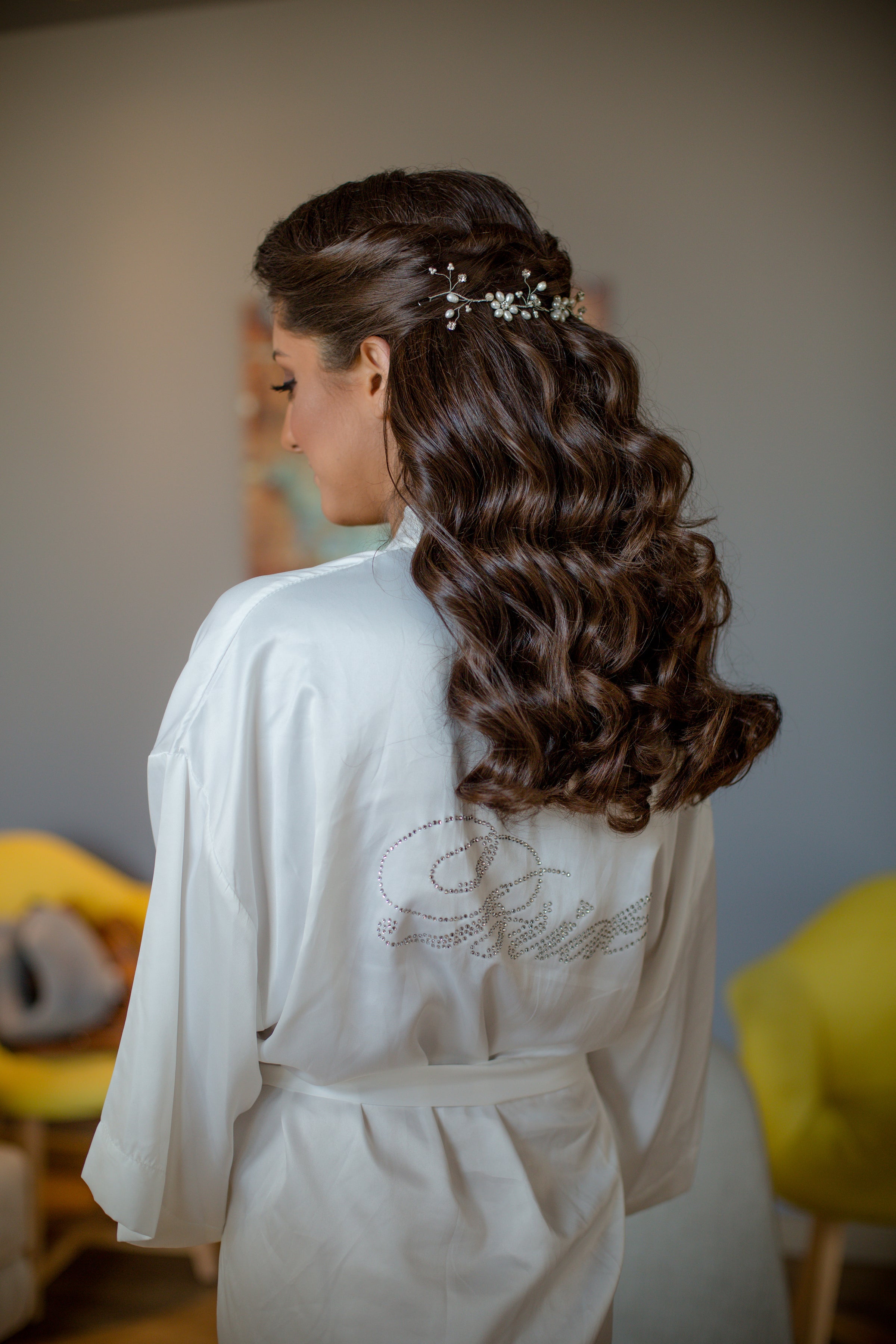

Unlike human hair, synthetic extensions and wigs are crafted from specialized polymers. This means water does not affect them the same way, but they require a completely different set of care rules to stay smooth and retain their factory style. Understanding how moisture interacts with these synthetic fibers is the key to preventing permanent frizz and protecting your investment.
At WIGI Hair, our experts break down exactly what happens when synthetic fibers meet water, and how to safely wash and dry your wig to keep it looking flawless.

The short answer is yes – synthetic wigs can absolutely get wet. Water itself does not dissolve, melt, or weaken the synthetic polymers.
However, the true risk lies in how the fibers are handled while they are saturated. When synthetic strands are weighed down by water, any improper friction, rough brushing, or sudden temperature changes can easily alter the structural integrity of the material, leading to permanent tangles and surface roughing.
How Synthetic Fiber Reacts to Water
Premium synthetic wigs are primarily made from high-quality acrylic, modacrylic (such as Kanekalon or Toyokalon), or polyester fibers. Unlike human hair, which is porous and absorbs water into its inner cortex, synthetic fibers absorb very little moisture compared with human hair . Water simply sits on the surface of the strand.
Furthermore, these fibers are manufactured with a property known as "style memory." During the factory production process, the chemical bonds of the polymer are baked into a specific pattern – whether that is pin-straight, wavy, or tightly curled. Because water cannot penetrate the fiber to break down these baked-in bonds, a synthetic wig will naturally return to its original shape once it dries, provided that its structural memory has not been compromised by heat or physical stress.

Not all water affects synthetic fibers the same way. While clean, mild moisture is completely harmless, factors like chemicals, minerals, and extreme temperatures change how the material responds.
Getting caught in a light rain shower or exposing your wig to clean, cold tap water is entirely harmless. Because rainwater is soft and lacks harsh mineral deposits, it will not degrade the synthetic coating. Clean tap water is equally safe, as long as the temperature remains cool or lukewarm. The fibers will dry back to their factory-set shape without a hitch.
Swimming in a pool or the ocean requires extreme caution, and it is generally discouraged for beginners.
Chlorine: Chlorine may gradually wear down protective surface finishes on some synthetic fibers, leaving them rougher over time.. Once this coating is gone, the fibers become dry, static-prone, and abrasive.
Saltwater: As saltwater dries, microscopic salt crystals lock onto the non-porous surface of the strands. This creates rough, abrasive friction points that cause the fibers to bind and knot aggressively whenever they rub against your shoulders.
While cold water is completely safe, hot water is the single greatest threat to a standard synthetic wig. Because synthetic strands are essentially engineered plastics, high temperatures act as a chemical reset button. Hot water relaxes the fiber’s built-in memory structure.
If hot water hits a curled synthetic wig, the weight of the water combined with the heat will permanently flatten the curls, leaving you with an uneven, stretched-out, and lifeless texture that cannot be fixed by air drying.
Washing a synthetic wig at home is straightforward if you shift your approach from "scrubbing" to "soaking." To ensure you do not disturb the synthetic fibers during a wash, keep these essential rules in mind:

Detangle Before Wetting: Never submerge a tangled wig, as water will tighten existing knots. Always use a wide-tooth comb or a loop brush to gently work out tangles from the tips up to the cap before the hair touches water.
Use Specialty Shampoos: Avoid standard drugstore shampoos, which contain heavy oils and sulfates that leave a dull film on non-porous strands. Stick to specialized synthetic wig shampoos. If a synthetic wig shampoo is unavailable, a mild baby shampoo can serve as a temporary alternative
The Soak and Rinse Method: Fill a basin with cold or lukewarm water and dissolve the shampoo before submerging the wig. Gently press the unit up and down in the mixture for two minutes—never rub or wring the fibers. Wash the inner cap lace with your fingertips, let it soak for 5 minutes, and rinse thoroughly in clean, cold water.
Further reading: How to Wash a Deep Wave Wig: Keep Your Curls Fresh & Bouncy
The drying phase is where most styling mistakes happen. The golden rule here is absolute patience: let gravity and air do the work. To protect the fiber's style memory and structure, follow these core drying practices:

Blot, Never Wring: Avoid squeezing or twisting the wet fibers. Lay the wig flat on a smooth microfiber towel, fold it over, and press down gently. Microfiber efficiently absorbs moisture without creating the rough friction or static electricity caused by standard cotton towels.
Air Dry on a Hollow Stand: Give the wig a gentle shake to help the fibers drop back into their original pattern, then place it on a hollow plastic or wire wig stand. Avoid solid styrofoam heads, which trap moisture inside the cap, stretch out the elastics, and encourage mold or mildew growth.
Strictly Avoid Heat: Keep blow dryers, curling irons, and straighteners away from traditional synthetic pieces. Concentrated heat will instantly melt or singe the polymer tips, turning smooth strands into rough, crinkled plastic wire. Allow the unit to air dry completely overnight in a well-ventilated room away from direct sunlight.

Even with careful handling, minor mistakes during washing or drying can quietly wear down synthetic strands. Catching the structural changes early allows you to correct your routine before the polymer bonds suffer permanent damage.
If you notice that your wig feels unusually limp, stiff, or has lost its signature bounce after getting wet, it is a clear sign of fiber degradation. This usually happens when the water used during washing was too warm, or if residue from an incorrect shampoo has built up along the length of the strands.
Frizz at the nape of the neck or the tips of the hair is called "friction frizz." When a wet synthetic wig rubs against cotton clothing or towels, the friction causes the tips of the polymer strands to fray. Once frayed, these ends catch on one another, creating a web of dense tangles every time you move your head.
To prevent water and friction damage before it even starts, incorporate a leave-in synthetic conditioning spray into your daily routine.
Before putting your wig on for the day, mist the mid-lengths and ends lightly from about 10 inches away. This lightweight spray creates an invisible, slick barrier over the non-porous strands. It seals the fiber, reduces static electricity, and allows the hair to glide smoothly over your clothes – effectively neutralizing the daily wear and tear that leads to frizz.
Also worth exploring: High Quality Human Hair Wigs: Types, Benefits, and Key Features
That is all the information you need to answer the question: can synthetic wigs get wet? Hopefully, this comprehensive guide has given you a clear, objective look at the science behind synthetic fibers and how to navigate moisture safely to protect your investment.
While synthetic pieces offer excellent factory-set styles and convenience, they require meticulous care to stay smooth. If you are looking for absolute styling freedom without the worry of water damage, human hair is the ultimate upgrade. At WIGI Hair, we source 100% premium Vietnamese human hair directly from verified local donors. Naturally rich in keratin, exceptionally silky, and naturally strong, Vietnamese hair offers an unmatched, tangle-free experience.
Discover our exclusive collection of 100% premium Vietnamese human hair wigs today.


Leave a comment