EXTENSIONES DE CABELLO WIGI
EXTENSIONES DE CABELLO WIGI
Trae BELLEZA a tu vida


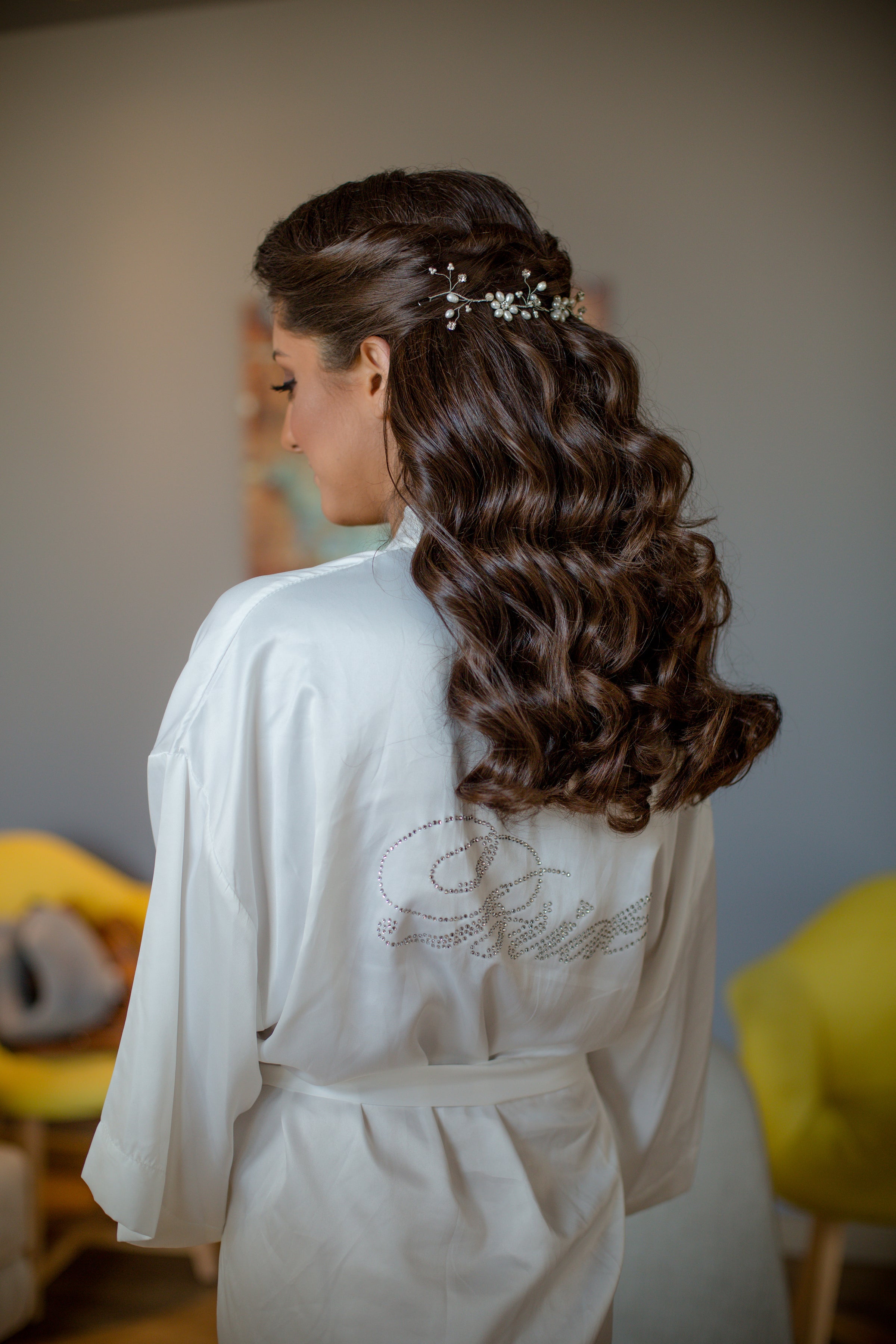

While tape-in extensions offer a seamless way to add volume and length, many users still worry: are tape-in extensions bad for your hair? In reality, the method itself is gentle, but damage typically stems from daily habits like incorrect washing or rushed removal.
To help you maintain this balance, WIGI Hair has compiled 5 practical rules to effectively prevent damage when wearing tape-ins, ensuring your natural hair stays strong and resilient throughout the process.

Before looking at protective steps, let's address the fear of adhesive damage by understanding exactly how tape-in panels work on your hair.
The root cause of most extension damage is not the product itself, but structural strain. Every hair follicle can tolerate only a limited amount of continuous tension before stress begins to affect the surrounding hair and scalp. When a tape-in sandwich is clamped onto your hair, that small section bears the weight of the entire extension panel.
If the stylist sections out too little of your natural hair to support that weight, gravity takes over. This constant, heavy pulling stretches the root over time, causing prolonged tension around the follicle and disrupting its natural growth cycle. Without enough supporting hair, this continuous mechanical stress can lead to noticeable thinning and premature fallout.
Beyond structural strain, the way your hair interacts with the tape's adhesive plays a massive role in long-term health. The professional-grade glue is built to stay secure through sweat and styling, but it can cause unnecessary damage if left in too long.
As the adhesive naturally breaks down over two months, it starts to tangle with the everyday hair you shed naturally, trapping those loose strands inside the bond.
If you try to remove these panels without completely dissolving the glue first, the tape can pull on your natural hair and cause breakage. These two factors: excessive tension and residue buildup are the primary culprits behind most extension-related hair loss.
However, preventing this damage does not require stopping completely; it simply requires replacing careless daily habits with a proper care routine. By mastering the following practical rules, you can significantly reduce these risks.
Whether you are maintaining your extensions at home or collaborating with your stylist at the salon, these 5 professional rules provide a practical, everyday framework to eliminate unnecessary strain and keep your hair healthy.

A safe installation depends entirely on exact spacing and clean parting. Each tape sandwich must be secured exactly 2 to 3 millimeters away from your scalp.
This tiny gap is crucial. Placing the tape too close to your scalp pinches the skin and causes painful tugging the moment you try to tie your hair up. On the flip side, anchoring it too far down gives the extension too much leverage, causing it to sag and pull heavily on your roots. Clean, straight sections ensure that stray hairs from other parts of your head do not get accidentally caught inside the tape, which twists and snaps the strands as you move.
If you choose to install tape-ins at home, keep these strict guidelines in mind:
The Sandwich Balance: The section of natural hair between the tapes must be the exact width of the panel and thin enough to see the tape through the hair. If it is too thick, the glue will fail and slip. If it is too thin, the weight will pull your hair out from the roots.
Avoid Fragile Areas: Keep all tape panels at least one to two inches away from your natural hairline and the nape of your neck. The hair in these zones is too fine and fragile to support the weight of extensions.

Once your tapes are placed, your daily brushing routine requires a gentler approach. Traditional fine-tooth combs and stiff nylon bristles are highly unsuitable, as they catch on the top ridges of the tape and rip the panel right off from your roots.
To brush your hair safely, follow these simple steps:
Choose the right brush: Always use a dedicated extension loop brush or a soft boar bristle brush that glides smoothly right over the flat bonds.
Support the roots: Grab your hair like a low ponytail with one hand to anchor the roots and hold the weight of the tapes.
Brush from bottom to top: With your other hand, gently work out any knots starting at the tips, moving up to the mid-lengths, and finally over the bonds.
Never brush your hair while it is wet. Wet hair is more elastic and therefore more vulnerable to stretching and breakage, making it incredibly easy to pull out from the root.
Shampoo day requires a careful routine to keep the adhesive strong and the surrounding hair clean. The rules here are straightforward but critical for preventing premature slippage.
While washing your hair extensions might seem straightforward, you should pay close attention to the following steps:

Switch your products: Swap out any hair care products containing heavy silicones, oils, or alcohol. These ingredients act as lubricants that can seep between the tape panels, break down the bond, and leave a sticky residue that causes severe matting. Remember to keep your conditioner strictly focused from the mid-lengths to the ends.
Never let your roots air dry: Prolonged moisture exposure can weaken the adhesive bond and increase the risk of slippage. Always pat your hair gently with a microfiber towel, then use a blow dryer on a cool-to-medium setting to dry the root area completely.
Further reading: How to Wash Hair Extensions Properly for Long-Lasting, Natural Beauty

Because your natural hair grows about half an inch every month, those tape panels will naturally grow out. This movement changes how the weight is distributed.
|
Weeks Active |
Status |
Risk Level |
|
Weeks 1-6 |
Stable; sitting safely close to the root |
Low |
|
Weeks 7-8 |
Maturing; optimal window for a salon refresh |
Moderate |
|
Weeks 9+ |
Sagging; high risk of twisting, looping, and knotting |
High |
When you stretch your wear past 8 weeks, the tape begins to sag and flip. The natural daily hair you shed gets trapped above the bond, looping around itself and creating dense mats. Trying to brush or detangle these mats later causes severe breakage.
Keeping a strict 6-to-8-week appointment to have the tapes safely removed, cleaned, and moved back up to the roots is non-negotiable for protecting your natural hair density.

The final, and most critical, rule centers on how you end your wear cycle. The absolute worst damage happens when impatience leads to peeling or forcing the tape panels apart with your fingers.
Safe removal requires a dedicated, oil-based or alcohol-based extension solvent. The remover must be saturated directly into the center of the tape sandwich and left alone for a full minute. As the solvent breaks down the polymers, the two panels will slide away from each other effortlessly, leaving your natural hair untouched. If you feel even a slight tug on your scalp, do not pull. Apply more solvent, wait another minute, and let the product do the work for you.

Even with good care, your scalp occasionally needs time to rest and recover. Pay close attention to how your head feels to catch any issues early.
Persistent Scalp Soreness: It is normal to feel a little tightness for the first 48 hours after an install. However, if you experience persistent tenderness or redness that lasts past the first week, the tapes are either too tight or causing a mild allergic reaction.
Visible Thinning or Spotting: Keep an eye on your natural parting lines. If you notice the hair around your tape placements looks noticeably thinner, or if a parting line seems wider than usual, your hair follicles are showing signs of strain.
Excessive Root Shedding: Seeing a small amount of hair inside the tape when it is removed is normal – that is just your standard daily shedding. But if you see large clumps of short, broken hairs, or if the fallen strands still have tiny white bulbs attached to the ends, your roots are shedding prematurely under mechanical stress.
Should any of these signs appear, have your extensions removed by a professional and give your natural hair a clean break for 4 to 6 weeks to recover its full strength.
Also worth exploring: Will Hair Extensions Ruin Your Hair? The Truth About Damage and Hair Loss
At the end of the day, tape-in extensions are not inherently good or bad for your hair. They are a tool, and their safety depends entirely on the care you give them. By understanding the limits of your natural hair follicles, staying consistent with your salon appointments, and handling your bonds with daily care, you can completely avoid damage. You get to enjoy the length and fullness you love while keeping your natural strands strong, thick, and healthy underneath.
Are you ready to elevate your hair journey safely? Explore WIGI Hair’s premium, lightweight tape-in collections, or book a consultation with our experts today to find the perfect match for your natural hair texture.


Dejar un comentario