EXTENSIONES DE CABELLO WIGI
EXTENSIONES DE CABELLO WIGI
Trae BELLEZA a tu vida


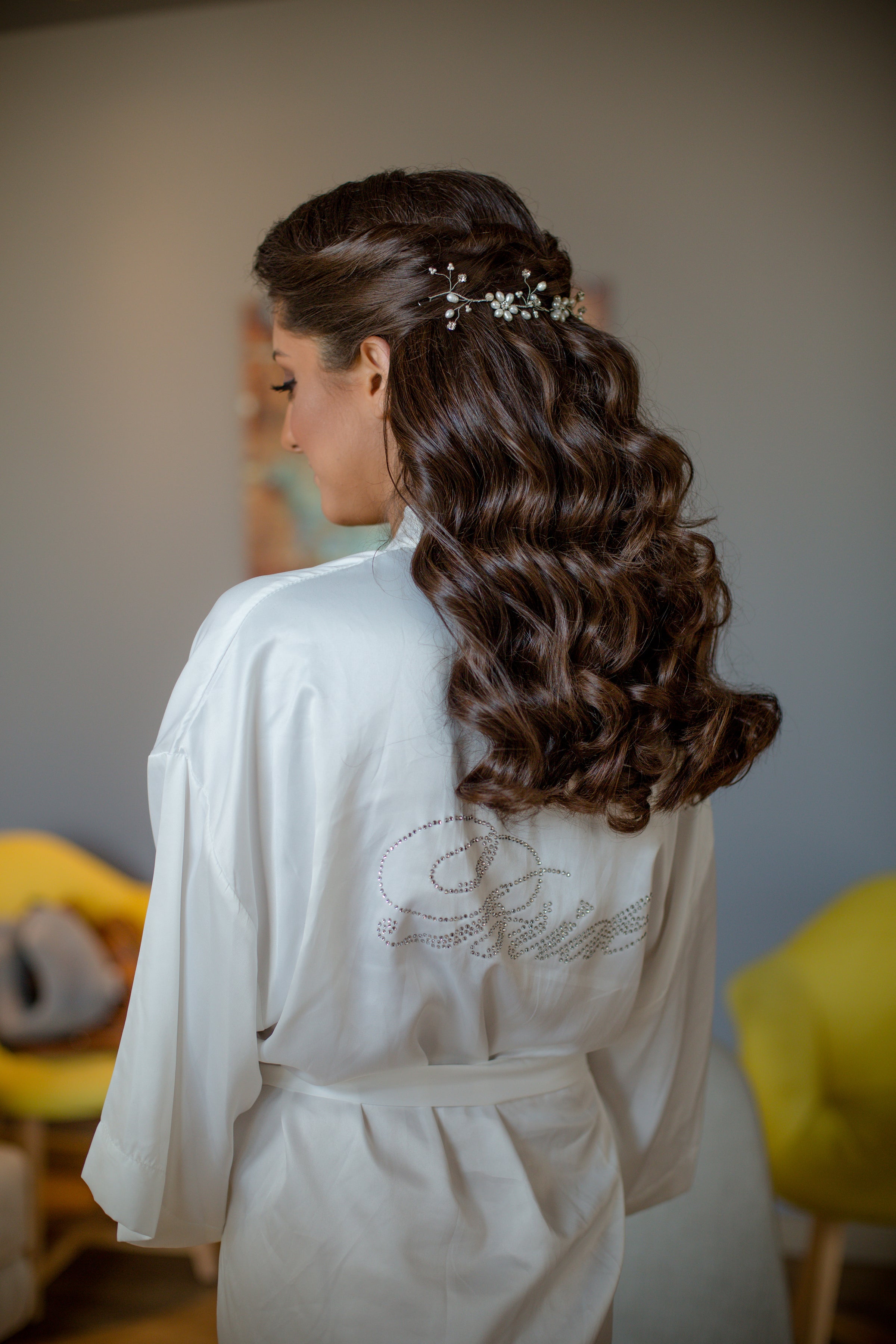

Are you struggling with an itchy scalp after putting in hair extensions? You’re not alone. Many first-timers experience irritation, redness, or discomfort, often caused by the wrong type of extensions or care mistakes. In this guide, we’ll share 6 quick and practical fixes to stop the itch, protect your natural hair, and enjoy your extensions comfortably – without painful trial and error.
Not all hair extensions are created equal, and your scalp can let you know when something’s off. Itchy hair extensions often result from irritation, friction, or a mismatch between your scalp and the type of hair used. Understanding this early helps you prevent discomfort before it turns into a more serious issue.
Common culprits include:
Synthetic fibers or heavily processed hair.
Metal beads, clips, or adhesive reactions.
Too much weight or tension in one spot.
Build-up of oil, sweat, or styling products.
Knowing the root cause helps you choose the right fix quickly, avoiding prolonged discomfort or hair damage.

When you first put on your extensions, you might feel a subtle pulling or tickling sensation at the roots. That’s your scalp signaling that the weight or type of hair isn’t ideal for your natural strands.
Heavy wefts or improperly applied tape-ins can tug on hair follicles, especially if your hair is fine or prone to breakage. Even subtle pulling over time can lead to persistent itching, scalp tension, and discomfort throughout the day.
Why it happens: Hair extensions add extra weight, and if your natural hair isn’t strong enough to support it, the scalp reacts with itching and irritation. Choosing a type purely based on appearance or trend often leads to this problem.
Solution:
Choose lightweight extensions that suit your hair texture. Clip-ins, Halo extensions, and lightweight tape-ins are great options for fine or sensitive hair.
Before applying a full set, test a small section first to see how your scalp reacts.
If you’re shopping online, consult trusted suppliers like WIGI Hair for guidance on choosing extensions that match your hair thickness, volume goals, and lifestyle.
Avoid stacking multiple wefts in the same area, as concentrated weight can lead to discomfort and itching.

Applying extensions on a scalp that is dry, flaky, or oily can quickly lead to scalp irritation and itching. Product buildup, sweat, or environmental pollutants trapped under extensions can create trapped conditions where itching, inflammation, or even minor infections occur.
Why it happens: Extensions sit close to the scalp, making it harder for the skin to breathe properly. Any existing dryness, dandruff, or residue gets trapped, worsening irritation.
Solution:
Wash hair 24–48 hours before extension application to remove dirt, oil, and styling residues.
Use gentle, sulfate-free, pH-balanced shampoos that won’t strip natural oils.
Condition from mid-lengths to ends only. Avoid roots to prevent slipping and reduce buildup.
Apply a soothing leave-in treatment or lightweight scalp serum with aloe vera or chamomile for sensitive scalps.
Expert tip: Regular scalp exfoliation (once a week) with a mild scalp scrub can prevent buildup and help prevent persistent itching.

Some scalp irritation is caused not by the extension itself, but by adhesives, bonding glues, or low-quality synthetic fibers. Even minor allergies can trigger constant itching, redness, or scalp flaking.
Why it happens: The skin on your scalp is sensitive and can react to chemicals or metal components in clips, beads, or tapes. Beginners are especially prone to picking products without checking compatibility.
Solution:
Use medical-grade, hypoallergenic tape-ins for sensitive scalps.
If using keratin tips or glue-based extensions, avoid DIY heat sealing unless confident in technique. Incorrect sealing can burn or irritate the scalp.
Conduct a patch test on a small area of your scalp before full application.
Expert tip: Always ask your supplier about hypoallergenic and scalp-friendly options. WIGI Hair offers guidance for safe selection without the guesswork.

Even perfect extensions can cause itching if your styling creates constant tension. Tight ponytails, buns, braids, or pulling hair back force the roots to bear extra stress, which triggers itching and sometimes mild headaches.
Why it happens: The scalp reacts to mechanical stress. Prolonged pressure from hairstyles or too many extensions in one area leads to irritation and discomfort.
Solution:
Alternate between loose hairstyles and gentle updos.
For tape-ins, ensure they lie flat and are not stacked in one area.
Avoid excessively tight hairstyles or repeated pulling at roots.
When sleeping, loosely braid or twist hair and use silk or satin pillowcases to reduce friction.
For more overnight care tips, read our guide on How to Sleep With Hair Extensions to prevent tangling, reduce friction, and keep your extensions looking smooth and long-lasting.

Extensions can trap sweat, dust, styling product residue, and natural oils. Left unwashed, these create a breeding ground for irritation, causing itchy hair extensions even if your scalp was initially healthy.
Why it happens: The hair fibers, whether human or synthetic, accumulate residues that irritate the scalp when in contact for long periods.
Solution:
Wash extensions every 7–10 days using a mild, sulfate-free shampoo.
Detangle gently before washing to prevent tugging.
Rinse thoroughly to remove all shampoo and conditioner.
Ensure extensions are completely dry before wearing or storing.
Expert tip: Use separate combs and brushes for natural hair and extensions to prevent product and oil buildup transfer.

Some people naturally have more sensitive scalps. Stress, hormones, weather, or even long-term extension wear can trigger itching.
Why it happens: Even scalp-friendly extensions can cause itching if the skin is overly sensitive or if maintenance routines are inconsistent.
Solution:
Apply lightweight soothing serums or scalp oils with aloe, chamomile, or tea tree.
Take regular breaks between extension applications to let your scalp breathe.
Sleep with loosely braided hair on silk/satin pillowcases.
Keep your hair clean, dry, and tangle-free overnight.
Nourishing products like WIGI Premium Hair Serum can help reduce frizz, add shine, and keep both your scalp and extensions healthier.

Q1: How often should I wash hair extensions to prevent itchiness?
Wash your extensions 1–2 times per week using a gentle, sulfate-free shampoo. Focus cleansing on the scalp while avoiding excessive product buildup near attachment points.
Q2: Are clip-in extensions better for sensitive scalps?
Yes. Clip-ins and Halo extensions are usually more comfortable for sensitive scalps because they create less tension and allow your scalp to breathe more easily.
Q3: Can wearing extensions too long make my scalp itchy?
Yes. Wearing extensions continuously without breaks can trap oil and buildup on the scalp, leading to discomfort and irritation. Giving your scalp regular breaks can help.
Q4: Can human hair extensions still cause itching?
Yes. Human hair extensions may still trigger sensitivity due to adhesives, dyes, processing chemicals, or improper application techniques.
Q5: What products help reduce irritation from hair extensions?
Lightweight scalp serums, sulfate-free shampoos, and hydrating hair products with soothing ingredients like aloe vera or chamomile can help calm irritation and keep extensions comfortable.
Looking for more comfortable options? Read our guide: Best Hair Extensions for Sensitive Scalp: Top 5 Lightweight Picks
Itchy hair extensions don’t have to be part of your routine. With careful material selection, gentle care, and proper installation, you can enjoy comfortable, long-lasting extensions. Always listen to your scalp. Persistent itching is a sign to check the extensions, your products, or your maintenance routine.
Need help preventing itchy hair extensions? Contact WIGI Hair for personalized guidance and make your at-home hair experience itch-free and effortless.


Dejar un comentario