EXTENSIONES DE CABELLO WIGI
EXTENSIONES DE CABELLO WIGI
Trae BELLEZA a tu vida


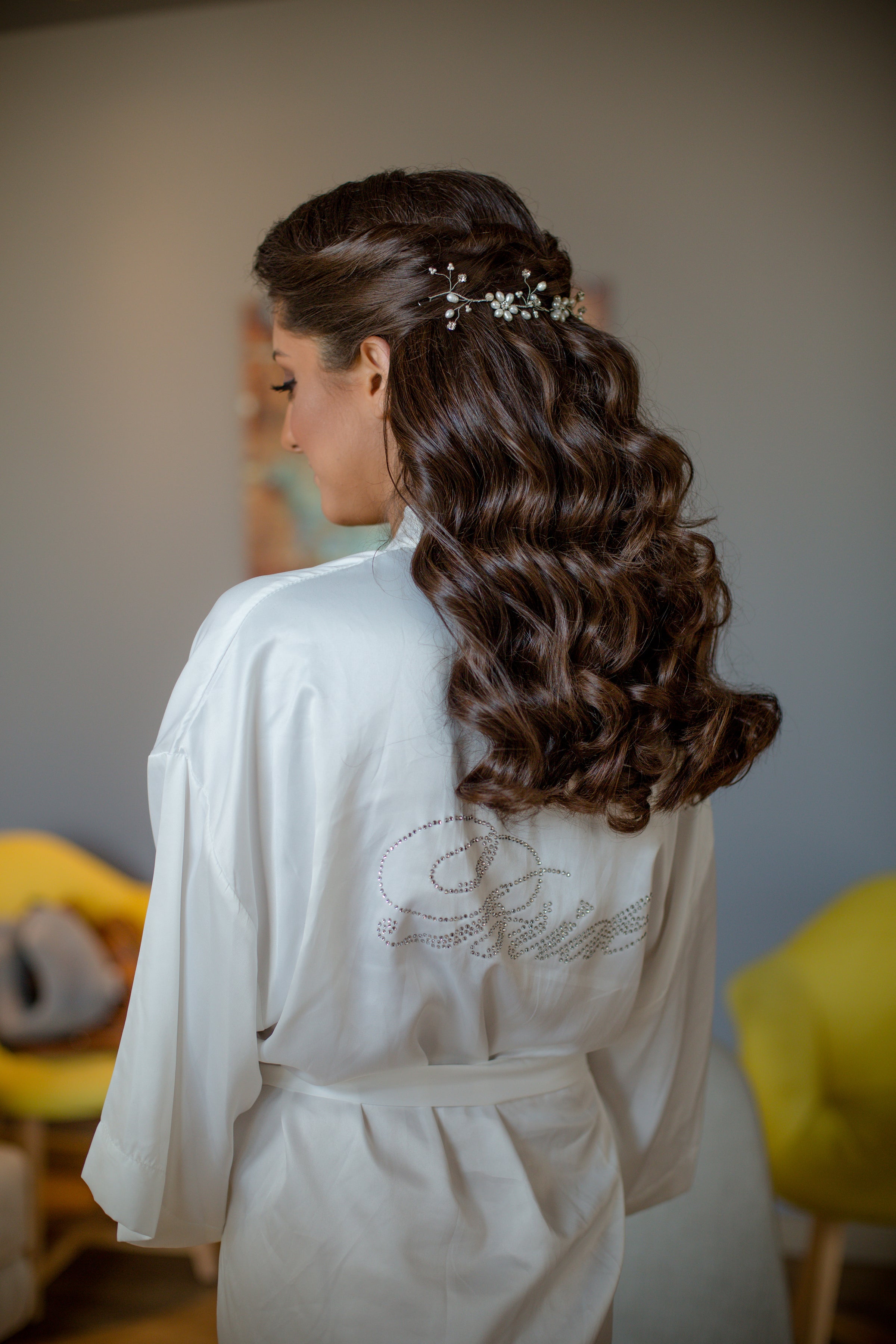

A sliding wig is not just uncomfortable; it shifts your focus away from your daily routine. Many people try to fix this by overtightening the internal straps, which usually leads to tension headaches or scalp irritation.
In this guide, WIGI Hair provides 5 practical methods to keep your wig securely in place from morning until night, focusing on techniques that balance friction and comfort without damaging your natural hair or skin.

Before we dive into the fixes, it helps to understand why you are struggling to keep a wig from slipping in the first place. Often, it is not the wig's fault, but rather a mismatch between the cap and your scalp environment. Here are the three most common culprits behind that annoying shifting feeling:
Incorrect cap size: If your wig cap is too large, it will easily slide around with every head movement. On the flip side, if it is too small, it will ride up and literally pop off the back of your head.
Scalp oils and sweat: Your scalp naturally produces sebum and sweat throughout the day. This moisture builds up under the cap, creating a slippery surface that breaks down whatever friction you had.
Smooth hair texture: If you have silky, healthy natural hair underneath, it creates zero grip. Without a proper barrier, the wig cap will simply glide right over your biological hair.
Now that we know why the shifting happens, let’s look at how to keep a wig from slipping using methods that actually feel good on your head.
You don't need harsh glues or tight, painful straps to achieve a secure fit. These 5 effective, pain-free alternatives will keep everything locked in place:

If you want the absolute easiest way to secure your unit without any sticky residue, a silicone band is your best friend. Made of soft, flexible silicone, these bands utilize double -sided friction: gripping your skin on one side and the wig cap on the other.
Who should use it: This is a total lifesaver for those with sensitive skin, alopecia, or total hair loss, as it requires zero adhesive and puts no pressure on the scalp.

When you need a bit more security for a long day but still want to keep a wig from slipping, medical-grade wig tape is a fantastic alternative to messy liquid glues.
Simply apply the double-sided tape pieces along your clean hairline, press the wig lace down, and you get a completely flat, natural look that stays put.
Who should use it: Ideal for active individuals, dancers, or anyone needing extended, worry-free wear from morning to night.

Sometimes, the secret to how to keep a wig from slipping is just adding the right layer underneath. A fabric liner or wig cap acts as a crucial physical barrier that absorbs the very sweat and oil that cause your wig to slide around.
Who should use it: Nylon caps offer great friction, while bamboo liners are perfect for people with full natural hair who need to flatten their hair texture and control moisture.

If you prefer traditional methods, you can easily keep a wig from slipping by utilizing the clips sewn into the cap – you just have to angle them right. The key is to anchor the wig clips directly into your natural biological hair or underlying braids rather than just snapping them blindly.
Warning: To avoid traction alopecia (hair loss caused by constant pulling), never attach clips too tightly or pull on the hair roots. Keep the placement secure but gentle.

Before buying extra accessories, you can keep a wig from slipping just by mastering the built-in elastic straps at the nape of the neck.
Instead of just pulling them as tight as possible (which strains the cap and causes headaches), learn to adjust them properly. You can even cross the straps in an "X" shape for a closer, custom hug around your head.
Further reading: Wig Install Explained: Cost, Time, Styles & Beginner Installation Steps
Here is a quick comparison table of the 5 effective, pain-free alternatives that will keep everything locked in place:
|
Solution |
How It Works |
Best For |
|
1. Silicone Grip Bands |
Uses double-sided friction to grip skin and cap. |
Sensitive skin, alopecia, or total hair loss. |
|
2. Medical-Grade Tape |
Double-sided adhesive pressed along the hairline. |
Active individuals, dancers, and extended wear. |
|
3. Fabric Liners |
Bamboo or nylon caps that absorb sweat and oil. |
Flattening natural hair and controlling moisture. |
|
4. Clips & Bobby Pins |
Anchors directly into underlying natural braids. |
People with biological hair who prefer traditional security. |
|
5. Adjustable Straps |
Fine-tuning the built-in elastic straps at the nape. |
Customizing the fit without buying extra accessories. |
Learning how to keep a wig from slipping is great, but it should never come at the expense of your scalp health. A secure fit should still feel weightless. To keep your natural hair and skin thriving underneath the cap, make sure to follow these healthy daily habits:
The golden rule: Secure does not mean tight. If you feel throbbing, redness, or a headache coming on, your wig is too tight. Prioritize friction-based methods (like silicone grips) over high-tension methods.
Daily maintenance: Wipe down the perimeter of your wig cap and your hairline daily. Removing accumulated natural oils, makeup, and sweat prevents the slippery buildup that ruins your wig's grip.
Nighttime care: No matter how secure or comfortable your wig is, never sleep in it unless it is specifically designed for long-term bonding. Give your scalp, hair follicles, and skin time to breathe and recover every single night.

Once you’ve chosen your preferred anchoring method, you shouldn't have to spend the rest of the day anxiously touching your hair. To give yourself total peace of mind, run through this quick, 10-second security check right in front of your mirror before walking out the door:
The Nod and Shake Test: Gently shake your head from side to side and nod up and down. If you feel any lifting at the nape of your neck or shifting at the hairline, your anchoring method needs a quick adjustment.
The Touch Check: Run your fingers lightly along the perimeter. The lace or edge should sit completely flat against your skin without any gaping or rolling edges.
The Comfort Gauge: Sit still for one minute. If you already feel a dull ache, a pinching sensation behind your ears, or a hot spot on your forehead, the wig is too tight – not secure. Remember, a properly secured wig should feel like an extension of your body, not a helmet.
Also worth exploring: How to Make a Wig Look Real: Expert Tricks That Actually Work
At the end of the day, learning how to keep a wig from slipping is all about reclaiming your peace of mind. You deserve to go through your day – whether you're working, exercising, or catching up with friends – without that nagging worry that your hair might shift out of place.
If you are looking for a premium unit that stays flawlessly in place, WIGI Hair has you covered. Our high-quality wig collection is crafted with a focus on both stability and comfort, using premium materials that naturally hug your scalp. This ensures you can style, move, and express yourself with total confidence.
Explore WIGI Hair today to find your perfect, secure-fitting wig that keeps its beautiful shape all day long.


Dejar un comentario