EXTENSIONES DE CABELLO WIGI
EXTENSIONES DE CABELLO WIGI
Trae BELLEZA a tu vida


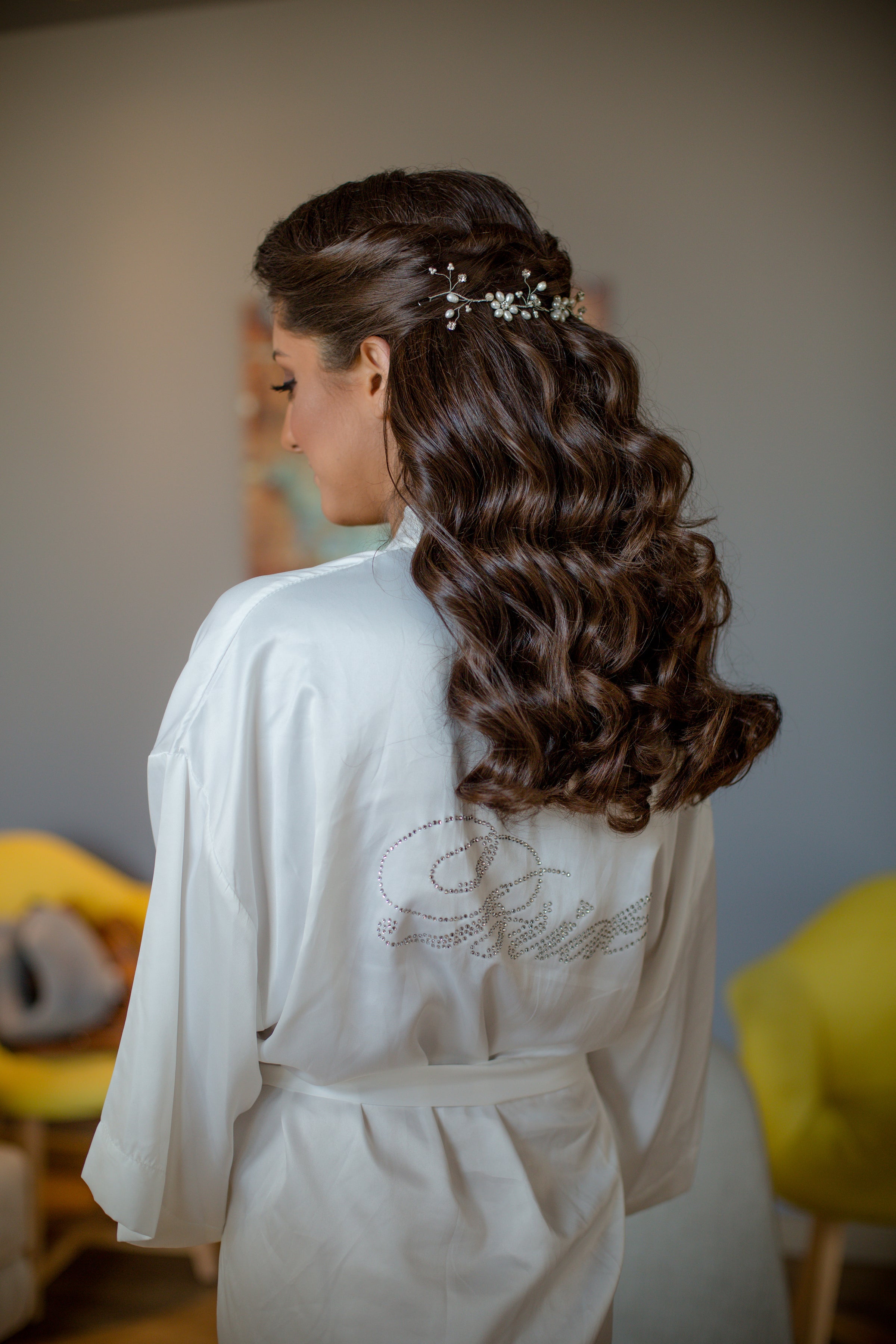

If you’ve ever wondered: “Can you dye synthetic hair extensions”, you’re not alone. Many people turn to synthetic extensions for their affordability and versatility, but when it comes to customizing them with color, the options can be unclear. In this guide, WIGI Hair will walk you through everything you need to know about dyeing synthetic hair extensions, from why it's tricky to do, to safe alternatives for achieving the look you want. Whether you're looking to refresh your extensions or try something bold, we’ve got expert tips to ensure you get the best results—without damaging your extensions.

When it comes to enhancing your hairstyle, synthetic hair extensions are an affordable and versatile option. Whether you’re looking to add volume, length, or a pop of color to your hair, synthetic extensions can transform your look without breaking the bank. However, if you’re wondering, “Can you dye synthetic hair extensions?”, the answer isn’t as straightforward as it may seem.
While synthetic hair extensions offer many benefits, dyeing them can be tricky. Unlike human hair, synthetic fibers are made from synthetic materials like polyester, kanekalon, or polypropylene, which don’t respond to dye in the same way natural hair does. In fact, attempting to dye them with traditional hair dye can result in disappointment, leaving you with uneven color, or worse—damaging your extensions beyond repair.
If your hair extensions are made from 100% human hair, you’re in luck—dyeing them is definitely possible, and they’ll respond to color just like your natural hair. Since human hair extensions retain the same natural structure and keratin protein as the hair on your head, they can absorb dye effectively, allowing you to achieve vibrant, lasting color changes.
However, it’s important to use the right type of hair dye. Opt for hair dyes designed specifically for natural human hair, and avoid harsh chemicals that may dry out or damage the extensions. If you’re uncertain about the results, it’s always a good idea to do a patch test on a small section of hair to ensure the color turns out as expected.
After dyeing your 100% human hair extensions, proper care is crucial to maintaining the color and ensuring the longevity of the hair. Use shampoos and conditioners formulated for color-treated hair, and avoid excessive heat styling to prevent drying out the fibers. With the right care, your dyed human hair extensions can look stunning and stay vibrant for longer.

Synthetic hair extensions are made from fibers, which are engineered to mimic the look and feel of natural hair. However, these fibers don’t contain the same natural cuticles or protein structure as real human hair. This difference makes it nearly impossible for synthetic hair to absorb dye in the same way human hair does.
Traditional hair dye works by opening up the cuticle of each hair strand to allow the color molecules to penetrate the cortex, the middle layer of the hair. Since synthetic hair lacks a natural cuticle, dye can’t effectively penetrate the fibers. As a result, most synthetic hair extensions will not hold dye, and applying regular hair dye can lead to streaky, blotchy results.
Moreover, the plastic nature of synthetic hair means that it can’t withstand the high temperatures required for permanent coloring, which can cause the fibers to melt or become irreparably damaged.
When you attempt to dye synthetic hair extensions, you might notice a few unwanted effects:
Color Doesn’t Set: Because synthetic fibers can't absorb dye like human hair, the color may wash out after a few uses or fail to show up entirely.
Uneven Color: The dye may not be distributed evenly, leaving you with patches of different colors or streaks in your extensions.
Damaged Fibers: The chemicals in hair dye can weaken synthetic fibers, making them brittle and prone to tangling or breakage.
If you want to add some color to your synthetic hair extensions, there are safer and more effective alternatives that can help you achieve your desired look without damaging the fibers. Here are some of the best options to consider:

One of the most popular methods for dyeing synthetic hair is using fabric dye, specifically dyes designed for synthetic fibers. These dyes are formulated to bond with the synthetic materials in a way that regular hair dye cannot. Here’s how to use fabric dye safely:
Step-by-Step Guide to Dyeing with Fabric Dye:
Choose the Right Dye: Look for fabric dyes that are specifically made for synthetic materials, such as Rit DyeMore or iDye Poly. These dyes are designed to work with fibers like polyester, nylon, and acrylic.
Prepare Your Extensions: Before dyeing, thoroughly wash your extensions to remove any residue or oils. You can use a gentle shampoo to clean them.
Mix the Dye: Follow the instructions on the dye packaging to mix the dye solution. You’ll typically need to dissolve the dye in hot water.
Dye the Extensions: Submerge your extensions into the dye bath. For a subtle color change, you can dip them for a shorter time, but for a deeper color, you may need to leave them in for longer (check the dye’s instructions).
Rinse and Dry: After dyeing, rinse the extensions with cool water until the water runs clear. Allow the extensions to air dry completely.

If you want to experiment with a temporary color, hair color sprays can be a great option. These sprays work by coating the hair fibers with color, rather than chemically altering them. While they don’t provide a permanent color change, they can be fun for special occasions or short-term looks.
How to Use Temporary Hair Color Sprays:
Simply spray the color evenly over the extensions, making sure to cover all strands.
Allow the extensions to dry completely before styling or wearing.
Wash out the color easily by shampooing the extensions after use.

Hair chalk is another non-permanent solution that can add color to synthetic hair extensions. While it works best for creating streaks or highlights, it’s a good alternative if you're not looking for full coverage. Hair chalk is easy to apply, and since it’s temporary, you can experiment with different shades without commitment.
For those looking for a more customized look, consider seeking the help of a professional stylist who specializes in synthetic hair. Some salons offer services specifically for coloring synthetic hair using specialized products that are designed to work with these materials. While this option can be pricier, it ensures that your extensions are colored safely and effectively.
Read more: Can You Get Hair Extensions on Short Hair? Here’s What Actually Works

Once you’ve colored your synthetic extensions, proper care is crucial to maintaining their quality and longevity. Here are some essential tips for keeping your dyed synthetic hair extensions in top shape:
When caring for dyed synthetic hair, always use a gentle shampoo that’s free of sulfates and harsh chemicals. Harsh shampoos can strip away the color and cause damage to the synthetic fibers. Opt for a mild, color-safe shampoo that’s designed for synthetic wigs or extensions.
One of the major drawbacks of synthetic hair is its inability to withstand heat. Using heat styling tools like straighteners, curling irons, or blow dryers can melt or warp the fibers, ruining your extensions. If you need to style your dyed synthetic hair, try using low-heat or no-heat methods like braiding for waves or setting with rollers.
Synthetic hair extensions often benefit from a light application of leave-in conditioner, which helps to keep the fibers soft and manageable. Just be sure to use a conditioner specifically formulated for synthetic hair to avoid weighing down the extensions or causing them to become greasy.
When you’re not using your extensions, store them properly to prevent tangling and damage. Hang them on a wig stand or lay them flat in a cool, dry place. Avoid cramming them into tight spaces, as this can cause the fibers to lose their shape or get tangled.
To ensure the best results and prevent ruining your extensions, here are some common mistakes you should avoid:
Using Regular Hair Dye: As mentioned earlier, regular hair dye is not formulated for synthetic fibers. Always use fabric dye, temporary color, or specialized products for synthetic hair to avoid damaging your extensions.
Applying Heat: Avoid using heat styling tools on synthetic hair. These fibers can melt at high temperatures, leading to irreversible damage. Stick to low-heat or heatless styling methods to preserve the quality of your extensions.
Overwashing Your Extensions: Synthetic hair doesn’t require frequent washing. Overwashing can strip the color and cause the fibers to become dry and brittle. Only wash your extensions when necessary and always follow the care instructions.
Q1. Can you dye synthetic hair extensions with regular hair dye?
No, regular hair dye is not suitable for synthetic hair extensions. It won’t color the fibers properly and can lead to damage.
Q2. How long do synthetic hair extensions last after being dyed?
The lifespan of dyed synthetic hair extensions depends on the dye method used. Temporary colors tend to wash out quickly, while fabric dye can last longer. However, proper care is essential to maintaining the color.
Q3. Is there any permanent way to dye synthetic hair?
Unfortunately, permanent dyeing options are not effective for synthetic hair. The best alternatives are fabric dyes or temporary hair colors.
Q4. Can you dye synthetic clip-in extensions?
Yes, you can dye synthetic clip-in extensions using the same methods mentioned, such as fabric dye or temporary color sprays.
While dyeing synthetic hair extensions with regular hair dye is not recommended, there are plenty of safe and effective alternatives to achieve the vibrant or subtle colors you want. Whether you choose fabric dye, temporary color sprays, or seek professional help, these methods will help you customize your extensions without damaging them. By following the right care tips and avoiding common mistakes, you can enjoy beautiful, colorful synthetic extensions that last.

If you’re looking for the flexibility to dye your extensions without worrying about the limitations of synthetic hair, WIGI Hair’s 100% human hair extension collection offers the perfect solution. With our high-quality human hair extensions, you can easily color, style, and customize your look exactly how you want, just like your natural hair. Explore our range of luxurious, human hair extensions today and enjoy the freedom to create any look you desire, while maintaining the health and longevity of your extensions.


Dejar un comentario