EXTENSIONES DE CABELLO WIGI
EXTENSIONES DE CABELLO WIGI
Trae BELLEZA a tu vida


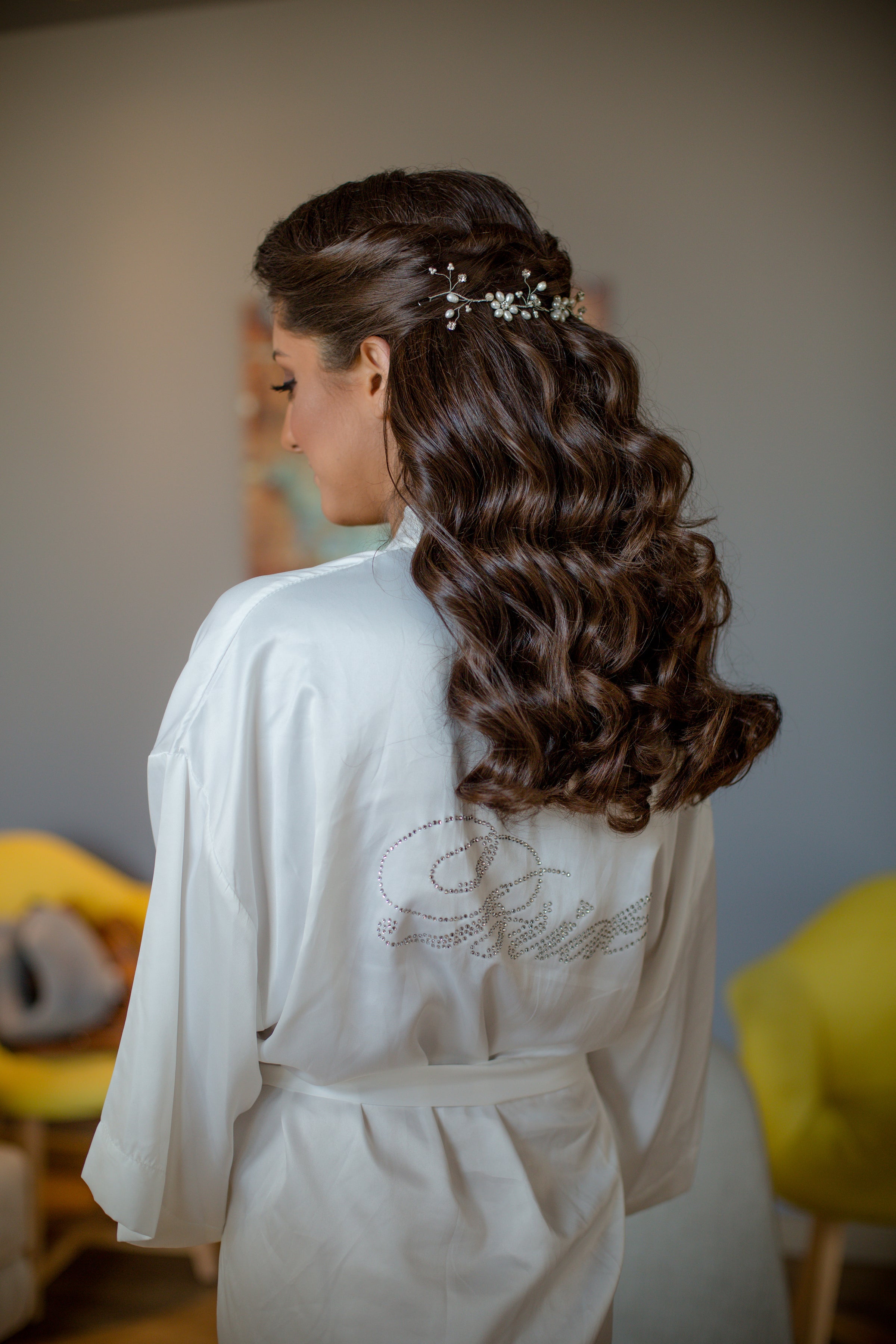

Over time, wigs may start to feel different from when you first wore them – becoming drier, more prone to tangling, or losing their natural shape and shine. These changes are not only related to product quality but are often caused by improper care routines, especially during washing and maintenance.
In this article, we’ll share essential wig shampoo tips and maintenance routines to protect your wig, prevent damage, and keep it looking its best for longer.

Wigs are designed to maintain a consistent look, but over time both synthetic wigs and human hair wigs naturally change in texture. Most users notice dryness, tangling, or loss of shape after regular wear.
These changes are usually caused by daily care habits, especially washing methods, product choice, and environmental exposure. Understanding these factors helps extend wig lifespan and maintain a more natural appearance.
Incorrect washing is one of the main reasons wigs lose their original quality. Many users treat wigs like natural hair, using regular shampoo, scrubbing too hard, or washing too often.
Synthetic fibers are especially sensitive because they do not produce or retain natural oils. When exposed to harsh cleansing or friction, the protective coating weakens, leading to:
Rough or less smooth texture
Increased friction between strands
Faster tangling after drying
Human hair wigs can also become dry because they rely entirely on external care. Over-washing or strong shampoo use removes moisture without proper replacement.

Another common issue is using standard hair products on wigs. Most shampoos and conditioners are designed for scalp hair, not wig fibers. Ingredients like sulfates, silicones, and heavy conditioning agents can:
Build up on wig strands
Make synthetic fibers heavy or sticky
Reduce natural movement and softness
This is why wig-specific shampoo is important – it is formulated to clean gently without damaging the fiber structure.
Synthetic wigs and human hair wigs do not react the same way to wig shampoo, washing, or styling. Using the same care routine for both can lead to faster damage and poor texture results.
|
Aspect |
Synthetic Wig |
Human Hair Wig |
|
Shampoo Use |
Needs wig-specific or very gentle shampoo |
Can use mild or sulfate-free shampoo |
|
Washing Frequency |
Less frequent |
More regular depending on use |
|
Product Absorption |
Does not absorb nutrients |
Absorbs moisture and care products |
|
Heat Styling |
Not recommended |
Can use with protection |
|
Damage Type |
Fiber coating damage (permanent) |
Dryness and breakage (can be improved) |
|
Care Focus |
Protection and gentle cleaning |
Moisture balance and maintenance |
*Synthetic wigs require minimal, controlled cleaning, while human hair wigs need moisture-balanced care. Choosing the right wig shampoo for each type is the key factor that prevents most common damage issues.
Further reading: Synthetic vs Human Hair Wigs and Extensions: How to choose, Pros and Cons
Choosing the right wig shampoo is essential for maintaining texture, softness, and durability. Different wig materials react differently to cleansing products, so using the correct type helps prevent dryness, buildup, and fiber damage.

Wig shampoo is formulated specifically for wigs, not natural scalp hair. Its role is to clean gently without damaging fibers. It helps:
Remove dirt and residue without stripping the protective coating
Maintain softness in synthetic wigs
Preserve moisture balance in human hair wigs
Using wig-specific shampoo reduces the risk of long-term damage, especially for beginners.
Synthetic wigs should be washed only when necessary, not regularly like natural hair. Recommended timing:
After 8–12 wears
When there is buildup, odor, or dust
Washing method: The wig should be gently cleaned using cool water, allowing the shampoo to flow through the strands without rubbing or twisting the fibers.

Benefits: This type of shampoo helps maintain moisture balance, reduces dryness after washing, and keeps the wig soft with a natural-looking finish. Avoid strong clarifying shampoos because they can make the hair dry and harder to manage over time.
If wig shampoo is not available, you can use a few gentle alternatives temporarily, but they should never become a long-term replacement for proper wig care products. Acceptable options:
Mild baby shampoo
Diluted sulfate-free shampoo
However, certain products should be avoided completely because they can damage wig fibers or cause buildup. These include dishwashing liquid, strong clarifying shampoos, and heavy moisturizing shampoos designed for synthetic wigs.
These alternatives are only suitable for short-term use, until proper wig shampoo can be used again to maintain the wig’s texture and longevity.
It is not recommended. Regular shampoo is designed for scalp oils and may damage wig fibers, especially synthetic ones.
Synthetic wigs: every 8–12 wears
Human hair wigs: every 6–10 wears depending on product use and environment
Dry shampoo can be used occasionally for refreshing, but overuse may lead to buildup, especially on synthetic wigs.
A dedicated synthetic wig shampoo is ideal because it cleans gently without affecting fiber structure or shine.
Yes. Sulfate-free shampoo is often the safest choice to maintain moisture and prevent dryness in human hair wigs.
Also worth exploring: How to Store Wigs at Home: Top Tips for Longevity and Care
Proper wig care is essential to keep your wig soft, natural-looking, and long-lasting. We believe that choosing the right wig shampoo and following gentle washing habits can help prevent dryness, frizz, and early damage for both synthetic and human hair wigs.
With the right routine, you can maintain the beauty and durability of your wig with ease. Explore WIGI Hair’s premium collection to find solutions that support a natural look and lasting confidence in your daily style.


Dejar un comentario