EXTENSIONES DE CABELLO WIGI
EXTENSIONES DE CABELLO WIGI
Trae BELLEZA a tu vida


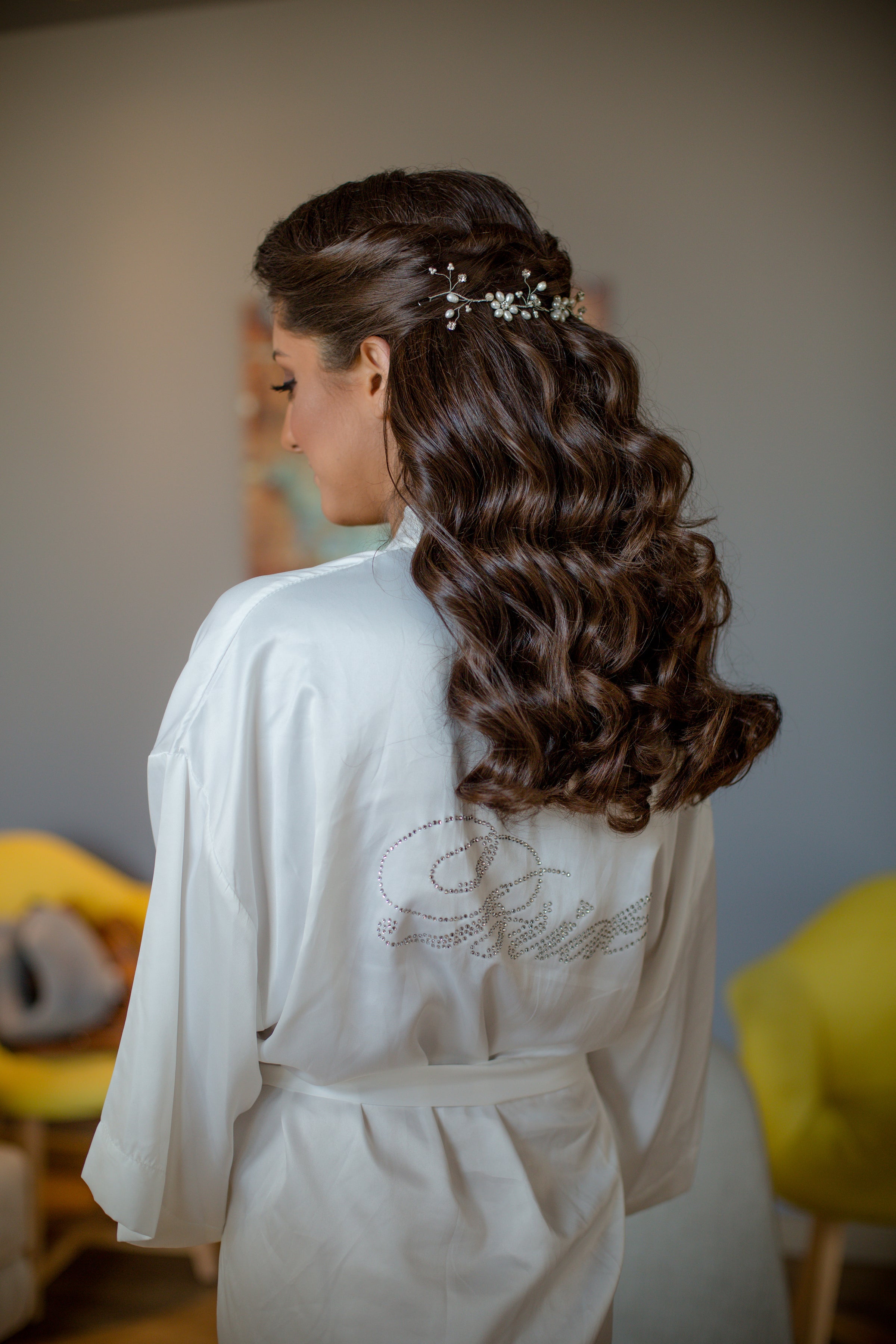

Using the wrong brush is one of the quickest ways to damage a wig. Pulling through tangles with a regular hairbrush can stretch delicate fibers, cause frizz, and make the wig lose its smooth, natural look after only a short time.
To avoid this, you need a wig brush specifically designed to handle delicate wig fibers, helping you detangle gently without pulling or breaking strands. But the tool alone isn’t enough – the way you brush a wig matters just as much. In this guide, WIGI Hair shares what kind of brush to use for a wig, how to brush a wig correctly, and the best ways to keep wigs smooth, neat, and long-lasting.
Not every hairbrush is safe for wigs. Many regular brushes have stiff bristles that easily snag wig fibers, create friction, and pull on the small knots that hold the hair in place. Over time, this can lead to frizz, shedding, and permanent fiber damage.
Unlike natural hair, wig fibers – especially synthetic ones – cannot repair themselves once they are stretched or broken. That’s why using the right wig brush is essential. Tools designed specifically for wigs help detangle gently while reducing tension on both the fibers and the wig cap.

A loop wig brush is widely considered the safest brush for wigs. Instead of traditional bristles, it uses looped nylon wires. These loops glide around the strands instead of snagging them.
Why it works well for wigs:
The loop structure prevents fibers from catching between bristles
Reduces pulling at the wig cap and knots
Ideal for synthetic wigs and human hair wigs
Professional wig stylists prefer loop brushes when maintaining long or dense wigs, where tangling usually starts around the mid-lengths and ends.
Best use cases:
Daily detangling
Long straight wigs
Heat-friendly synthetic fibers
However, even a loop brush should be used gently. Excessive force can still loosen the knots in the lace or weft.

A wide-tooth comb is often the first tool used when a wig becomes tangled. The spacing between the teeth helps separate knots gradually instead of forcing them apart.
Why beginners should keep one:
Helps detangle stubborn knots before brushing
Safer for curly or wavy wigs
Gives more control when working through sections
When wigs become tangled – especially at the nape area – starting with a wide-tooth comb can help loosen knots before brushing. A wide-tooth comb allows you to loosen the tangles first, then finish with a wig brush for smoothing.

A paddle brush can be used on human hair wigs because the strands are real hair and generally more durable than synthetic fibers. However, brushing still needs to be gentle.
The hair in a wig is tied to the lace or cap with small knots, so pulling too hard or brushing through heavy tangles can loosen these knots and lead to shedding. For that reason, paddle brushes are best used for light detangling and smoothing, not for forcing through knots.
Safe situations for a paddle brush
Detangling long human hair wigs
Styling after blow-drying
Smoothing straight styles
Avoid paddle brushes when:
The wig is synthetic
The hair is heavily tangled
The wig is still wet and fragile

Some brushes may look harmless, but their design can slowly damage wig fibers. Brushes with stiff, dense, or tightly packed bristles tend to snag strands, create friction, and pull on the knots that secure the hair to the wig cap.
With repeated use, this can lead to frizz, tangling, and increased shedding, making the wig look rough and worn much sooner than expected.
Boar bristle brushes: These brushes create friction, which can lead to frizz and damage when used on wigs. Wigs don’t produce oils, so the brush simply creates friction and frizz.
Dense plastic brushes: Brushes with tightly packed plastic bristles tend to trap fibers between rows, leading to snapping and shedding.
Small round styling brushes: These are designed for blow-drying natural hair, but can twist and tangle synthetic fibers in wigs.
Choosing the wrong brush might not cause immediate damage, but over time, repeated friction will make the wig look dry, rough, and tangled.
Brushing a wig isn’t about brushing harder or faster. The key is using the right technique so the fibers and the knots holding the hair stay intact.
Most wig damage happens when you pull a brush straight through tangles or try to rush the process. This puts stress on the fibers and the wig cap, which can lead to frizz, stretched strands, or shedding.
Below is a step-by-step guide with practical tips to help you brush a wig safely while keeping the fibers smooth and tangle-free.

Before brushing, secure the wig on a wig stand or mannequin head. This stabilizes the wig cap and prevents tension from pulling on the lace or wefts.
If you brush a wig while holding it in your hands, the fibers may stretch unevenly, leading to increased shedding over time.
One of the most common mistakes beginners make is brushing from the roots downward.
Instead, start 2–3 inches from the ends and gently detangle small sections. Once the ends are smooth, gradually move upward. This method prevents knots from tightening and reduces stress on the hairline.
Brushing large sections at once often makes tangles tighter and harder to remove. Instead, divide the wig into smaller, manageable sections so you can detangle each area gently without pulling too much hair at once.
A simple way is to separate the wig into four parts:
Front left
Front right
Back left
Back right
You can hold or clip the sections you’re not working on, then brush one section at a time. This method helps control tension, reduces pulling, and makes tangles easier to handle, especially for long or thick wigs.

Brush the wig with slow, downward strokes instead of dragging the brush through the hair. This helps the fibers stay aligned and reduces friction that can cause frizz.
If the brush gets stuck, don’t pull through the knot. Pause and gently loosen the tangle with your fingers or a wide-tooth comb before brushing again. This prevents unnecessary tension on the fibers and the wig cap.
The nape area (the back of the wig near the neck) tangles the fastest because it constantly rubs against clothing and collars.
Check this area regularly and detangle it gently, especially after wearing the wig for several hours. Keeping the nape smooth helps prevent small tangles from turning into tight knots.
Also worth exploring: How to Wash a Deep Wave Wig: Keep Your Curls Fresh & Bouncy

Even if you’re using the right wig brush, certain brushing habits can still damage the fibers and shorten the lifespan of a wig. Small mistakes – like brushing at the wrong time, using too much force, or handling tangles incorrectly – can gradually lead to frizz, shedding, and weakened strands.
Brushing a Wet Synthetic Wig: Synthetic fibers become more fragile when wet. Brushing them in this state can stretch or permanently distort the fibers. Always allow synthetic wigs to air dry first before brushing.
Forcing the Brush Through Knots: Trying to power through tangles only tightens them. When a knot resists brushing, separate it with your fingers before continuing.
Brushing Too Frequently: Wigs don’t need brushing as often as natural hair. Over-brushing creates unnecessary friction, especially for synthetic fibers. A better approach is to brush only when needed, focusing on detangling rather than constant grooming.
Using the Wrong Tool: Many wig owners damage their wigs simply because they rely on regular hairbrushes. Investing in a proper wig brush is a small step that significantly extends the life of a wig.
Q1: How often should you brush a wig?
It depends on how often the wig is worn. For daily use, light detangling once a day – especially at the ends – is usually enough. Over-brushing should be avoided.
Q2: Can you brush a curly wig?
Curly wigs should rarely be brushed with traditional brushes. A wide-tooth comb or fingers works better to maintain the curl pattern.
Q3: Should you brush a wig when it’s wet?
For synthetic wigs, brushing while wet is not recommended. Human hair wigs can be gently detangled when damp using a wide-tooth comb.
Q4: Do synthetic wigs need special brushes?
Yes. Synthetic fibers are more delicate than human hair and benefit from loop wig brushes or wide-tooth combs that reduce friction.
Also worth exploring: How to Choose a Wig: Tips for Face Shape, Size, and First-Time Buyers
That wraps up our guide on how to brush a wig without damaging its fibers. As you’ve learned, brushing technique and the right tools are crucial to maintaining the quality and longevity of your wig. Using the correct brush, detangling gently, and avoiding common mistakes can prevent damage like frizz, shedding, and breakage—ensuring your wig stays looking fresh and smooth for longer.
We hope this guide has helped you understand the best practices for keeping your wig in top condition. If you're looking for high-quality wigs that are easy to maintain, check out WIGI Hair’s collection of 100% human hair wigs today, designed to offer both beauty and durability. Whether you prefer sleek straight styles or voluminous curls, our range of wigs ensures long-lasting quality with proper care.


Dejar un comentario