EXTENSIONES DE CABELLO WIGI
EXTENSIONES DE CABELLO WIGI
Trae BELLEZA a tu vida


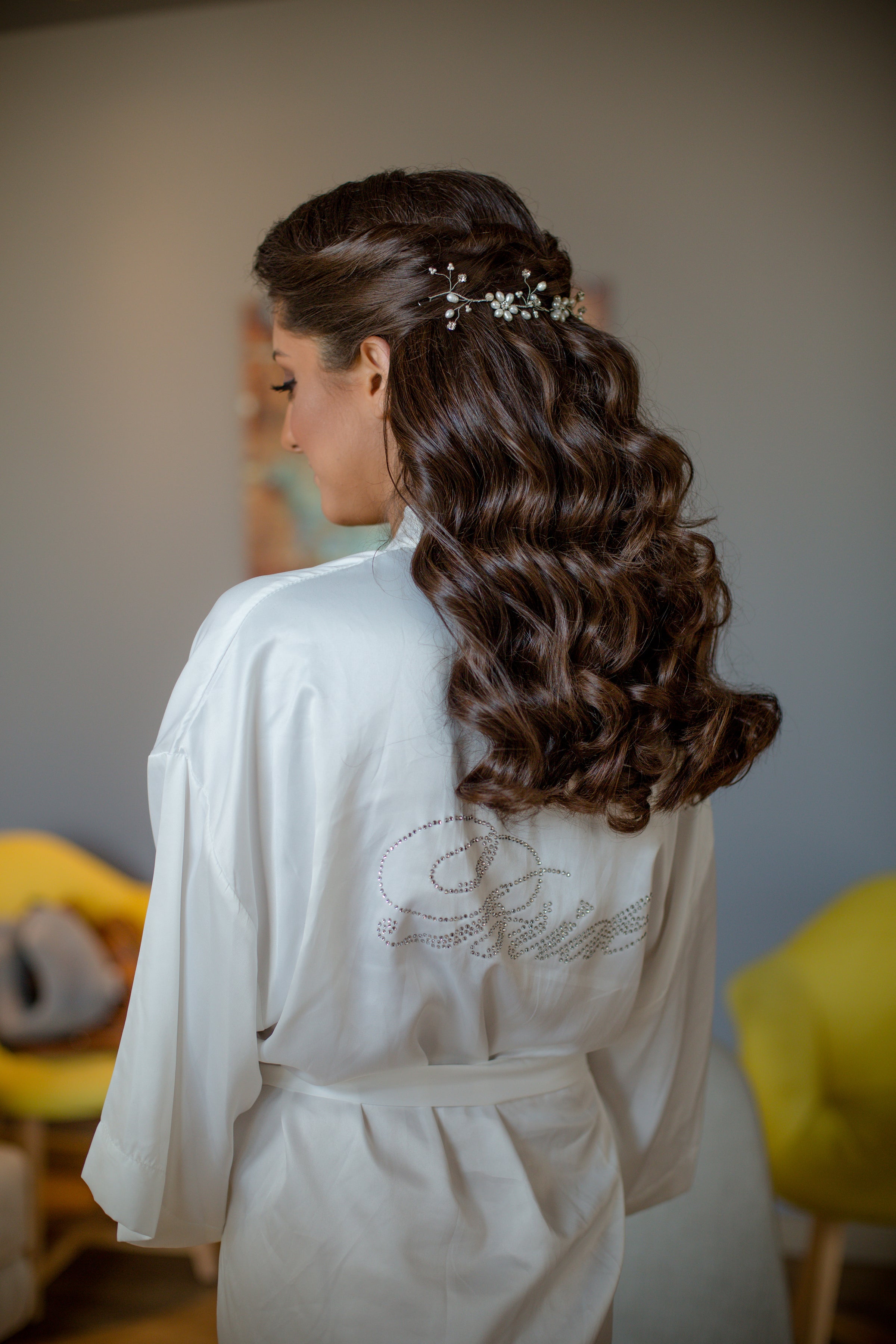

Achieving a seamless, undetectable look with a lace front wig usually brings to mind bottles of lace glue and holding sprays. Yet, spending twenty minutes applying and removing adhesives every single day can feel exhausting.
To help you master how to wear a wig without glue while keeping your scalp comfortable from morning until night, explore these three practical approaches by WIGI Hair below – ranging from non-slip grip bands and adjustable elastic straps to choosing the right cap construction. All the essential steps are detailed right ahead.

Before diving into the specific ways on how to wear a wig without glue, let us look at why this approach has become a preferred choice for daily wearers, exploring its origins and how it outshines traditional adhesive methods.
Protects natural edges and scalp health from daily chemical exposure: Skipping harsh bonding gels and adhesive removers prevents tension and irritation around your delicate hairline, allowing your skin to breathe freely throughout the day.
Simplifies your daily routine by allowing fast application and removal: You can put on your piece in under two minutes before heading out and take it off instantly before bed, eliminating messy cleanup rituals.
Preserves the lifespan of the lace front by eliminating sticky residue buildup: Without adhesive accumulating on the delicate lace mesh, your units remain clean, lightweight, and much easier to maintain over time.
Next, we will dive into the main content to explore three methods on how to wear a wig without glue, ranging from non-slip grip bands and adjustable elastic straps to choosing the right cap construction.
For those who want a reliable hold without modifying the unit itself, a specialized velvet grip band serves as an effortless foundation.
How it works: This accessory relies on soft velvet friction to hold the wig in place comfortably against your forehead and crown. The directional fibers grip the inside of the cap securely, working exceptionally well for various head shapes and providing total security during movement or windy conditions.
Step-by-step application:

Place the velvet band around your head so that the front edge sits about half an inch behind your natural hairline.
Secure the velcro closure at the nape of your neck to a comfortable, snug fit without excessive tightness.
Position your wig directly over the band, aligning the lace partition, and smooth the top down. The velvet friction will instantly lock the cap in place, preventing any front-to-back sliding.
If you want an extra layer of built-in security, customizing the interior of your cap with a thick elastic band is a favored technique among everyday wearers.
How it works: This method involves securing a stretchable band across the inside nape area of the cap to create a custom, tailored tension that pulls the lace firmly against your forehead, helping it lay flat naturally without requiring any melting spray or glue dots.
Step-by-step application:

Measure a thick elastic band (about 1 inch wide) from behind one ear, across the nape of your neck, to behind the opposite ear.
Sew each end of the elastic band securely to the inner sides or lace seam of the wig cap just behind the ear tabs.
When putting on the wig, pull this extra band down across the nape of your neck underneath your hair, letting it act as an internal anchor that stabilizes the entire unit.
Besides the two accessory methods above, you can secure your look right from the moment of purchase by paying close attention to the product's foundation. Choosing the right cap construction ensures natural stability without needing any additional tools.

How it works: Prioritize options featuring built-in ear tabs and adjustable straps at the back, which allow you to tighten or loosen the circumference manually to match your exact head measurements.
Step-by-step application:
Check the interior cap design before purchasing to ensure it includes adjustable hooks or velcro straps at the back nape area.
Adjust these straps inward by one or two notches so the cap hugs your head snugly before application.
When putting the wig on, tuck the bendable ear tabs right in front of your natural ears so the sides stay flat and do not pop up during facial movements. Proper sizing prevents shifting or sliding throughout the day, ensuring the lace stays properly aligned with your facial features from morning until evening.

After exploring the methods above, you can perform a few quick checks to ensure your wig stays securely in place and feels comfortable all day long.
Proper preparation of natural hair or the scalp before putting on the cap: Flattening your natural hair completely into tight cornrows or putting on a snug nude stocking cap creates a smooth, even surface that prevents bumps and helps the piece sit flush.
Aligning the wig correctly with your natural hairline for a seamless look: Take a moment to position the front lace a millimeter or two behind your actual hairline so the transition looks organic and undetectable under natural lighting.
Checking the fit and comfort level before heading out: Do a quick gentle head shake or tilt test after securing your piece to ensure the grip is firm and comfortable before you step out the door.
Most standard lace front and monofilament units can be worn gluelessly if they feature adjustable straps, inner combs, or if you use a wig grip band underneath. However, units with extremely bulky excess lace or improper cap sizing may require minor adjustments to sit flat without adhesive.
Yes, absolutely. If you react poorly to latex, bonding glues, or tapes, switching to a glueless routine using accessories like a velvet wig grip band completely avoids harsh chemicals while keeping your piece secure.
If you have total hair loss due to alopecia or medical treatments, a velvet wig grip band or a silicone-lined cap provides the necessary traction. The friction created between your skin and the specialized material prevents the unit from sliding around, even during active days.
No, as long as you place the band slightly behind your natural hairline or behind the lace partition area. Because the front edge of the band sits hidden beneath the dense hair roots or the opaque part of the cap, it remains entirely unnoticeable to others.
Mastering the art of wearing a piece without adhesives opens up a comfortable, stress-free routine that respects your time and protects your skin. By utilizing smart accessories like grip bands, making small adjustments, and ensuring proper cap placement, you can enjoy a secure and natural finish every single day. Take time to test these methods and discover the setup that fits your lifestyle best.
To make your glueless experience truly seamless, pairing these methods with a high-quality foundation makes all the difference. If you are searching for pieces designed with exceptional longevity, natural movement, and scalp-friendly comfort, explore the collection at WIGI Hair. Our premium Vietnamese human hair wigs are ethically sourced, thick from root to tip, and crafted to elevate your daily style with complete confidence. Get in touch with WIGI Hair today to find your ideal match.


Dejar un comentario