EXTENSIONES DE CABELLO WIGI
EXTENSIONES DE CABELLO WIGI
Trae BELLEZA a tu vida


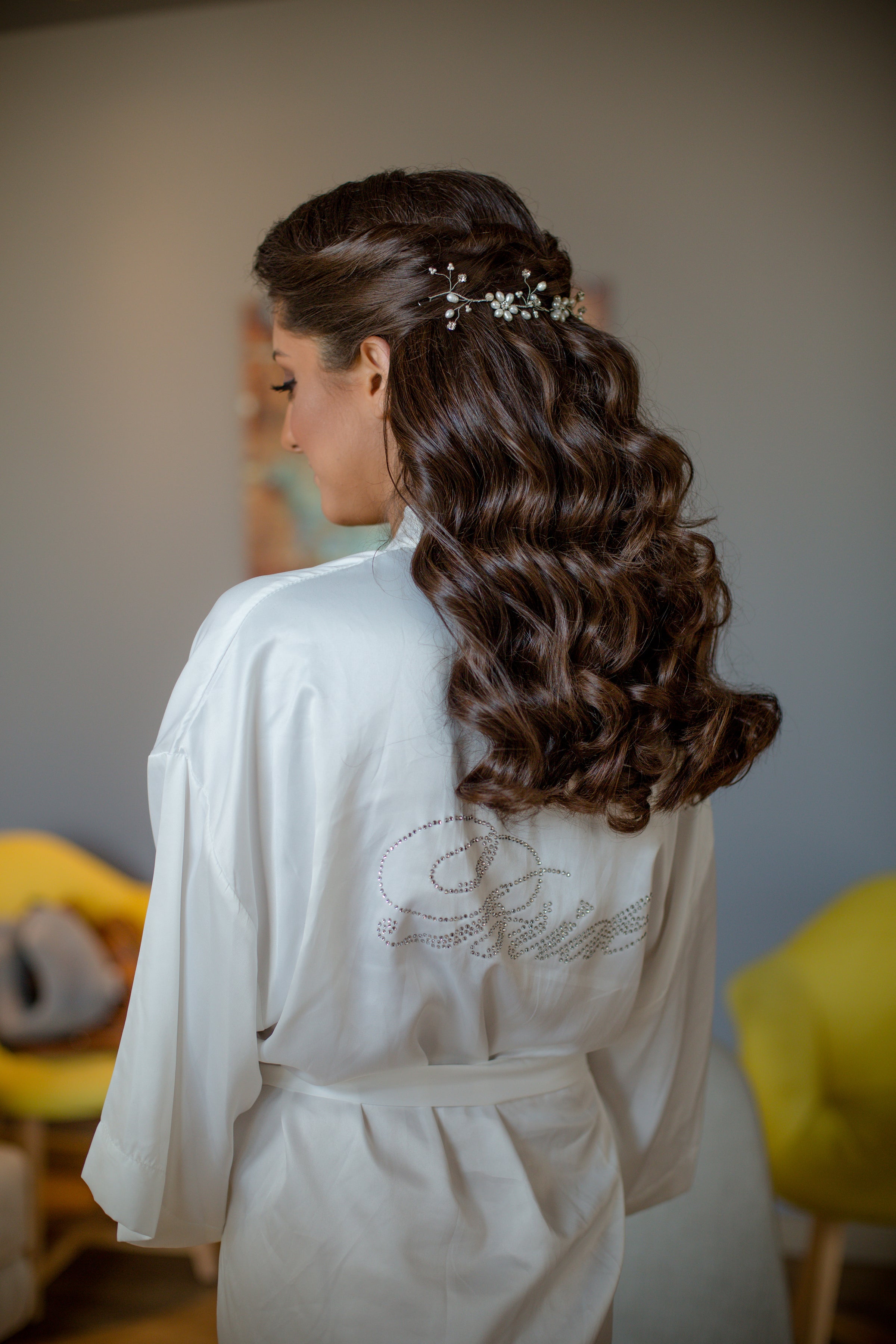

Wigs and hair extensions offer practical versatility for daily styling, yet they remain vulnerable to dryness and structural wear without proper maintenance. Unlike natural hair growing directly from your scalp, wigs and many types of extensions do not receive continuous natural sebum from the scalp, making them fragile over time. This guide outlines practical, everyday care methods and expert maintenance routines curated by WIGI Hair to help you protect the integrity of your pieces, preserve texture, and extend their useful lifespan.

One of the most common mistakes that many people make, which causes immediate damage to natural hair and ruins wigs, is brushing the hair incorrectly. Starting right at the crown and dragging a brush straight down rips, snapping the strands and placing immense pulling pressure on your attachment points. You can follow these steps for safe detangling:
Pre-sectioning: Divide your hair and extensions into four manageable sections using sectioning clips for easier handling.
Anchor the Bonds: Place your hand gently over the root area or attachment points to hold them in place so that the pulling tension never directly affects your scalp or the wig cap.
The Bottom-Up Rule: Start brushing from the ends using specialized tools, prioritizing a wide-tooth comb or a loop brush designed for extensions. Once the ends are smooth, move your hand higher up and continue brushing until complete.
Tool Selection: Always prioritize using wide-tooth combs or flexible specialized brushes. Avoid stiff or tightly spaced bristle brushes, especially when the hair is wet, to protect the hair fibers from stretching and snapping.

Unlike natural hair that receives natural oils from the scalp to stay moisturized, wigs and hair extensions lack this natural source of nourishment. Without proper hydration and conditioning oils, the hair quickly becomes dry, frizzy, and dull over time.
Therefore, you need to replenish moisture and nutrients using conditioning oils. Below are the steps to do it:
Target the Mid-Lengths to Ends: Dispense 2 to 3 drops of a lightweight, silicone-free oil (such as pure Argan oil or jojoba oil) into your palms, then smooth it evenly from the mid-lengths to the ends of the hair.
The Bond-Protection Rule: Never apply oils or heavy creams directly onto tape-in adhesives, keratin bonds, or lace roots. Oils will cause the adhesive to quickly lose its grip, leading to slipped extensions or loosened lace knots.
Weekly Hydration Masks: For human hair extensions and lace wigs, use an intensive deep-conditioning mask every 7 to 10 days to restore softness and moisture. Leave the mask on for about 15 minutes, then rinse thoroughly with cool water to seal the hair cuticles and keep them glossy.
Further reading: The Ultimate Guide to Hair Extension Care: Tips, Products, and Best Practices

When your hair extensions constantly rub against a cotton pillowcase throughout the night, they quickly become tangled and prone to breakage. To protect your strands and keep them smooth, you need to secure your hair properly before heading to bed:
Never go to bed with your hair completely loose and wild.
Gently detangle your hair, then tie it up in a loose braid or a soft, low ponytail using a smooth satin scrunchie. Avoid tight ties that pull on your roots.
Swap your cotton pillowcase for a silk or satin pillowcase. It lets your hair glide smoothly all night long without pulling or tangling.

If you frequently style your hair using heat tools like curling irons or flat irons, damage can quickly become severe. However, rather than giving up styling entirely, you can easily protect your hair by changing your habits – such as lowering the temperature or incorporating heatless styling methods.
Always spray a heat protectant evenly over your hair before using hot tools.
Keep your flat iron or curling wand on a low-to-medium setting (under 180°C for human hair, and even lower for synthetics).
Keep the tool moving smoothly down the hair strand—don't let it sit in one spot for more than a second or two.

When hair is wet, it loses its structural strength and becomes exceptionally fragile, stretching and snapping with minimal effort. Skipping the drying step before bed or styling not only leads to severe breakage, but also traps moisture at the base – inviting unpleasant odors and mold growth.
Gently squeeze out extra water using a microfiber towel or an old cotton t-shirt. Never twist or rub the hair roughly.
Use a blow dryer on a cool or warm, low-airflow setting, guiding the air downward from roots to ends.
Double-check that the inner layers and attachment spots are completely dry before you head to sleep or grab your curling iron.
The primary cause is mechanical stress, such as aggressive brushing from the top down, pulling on wet hair, and a lack of proper moisture.
Never sleep with loose hair. Detangle gently, tie it in a loose braid or low ponytail with a satin scrunchie, and use a silk or satin pillowcase to reduce friction.
Use a wide-tooth comb from ends to roots, apply lightweight natural oils to keep strands hydrated, avoid high-heat styling, and ensure hair is fully dry before bed.
Hair breakage is frequently linked to deficiencies in biotin (Vitamin B7), Vitamin D, iron, and protein, which are essential for strong hair fibers.
Keep styling tools under 180°C with heat protectant, use regular deep-conditioning treatments every 7 to 10 days, and minimize friction from rough fabrics.
Also worth exploring: Do Wigs Cause Hair Loss? Truth About Wearing Wigs
That is all the essential information you need to protect your investment and master the daily care of your wigs and hair extensions. Hopefully, this guide helps you maintain proper detangling routines, manage moisture, and minimize heat and friction damage to keep your pieces strong, soft, and breakage-free.
If you need help choosing the perfect hair piece or want to explore premium options, the team at WIGI Hair is always here to assist. We supply premium Vietnamese human hair wigs and extensions crafted for exceptional longevity, natural luster, and seamless comfort. Thick from root to tip and ethically collected, our pieces ensure your transformation looks entirely your own. Contact WIGI Hair today for a personalized recommendation and discover our exclusive collection of 100% premium Vietnamese human hair wigs.


Dejar un comentario