EXTENSIONES DE CABELLO WIGI
EXTENSIONES DE CABELLO WIGI
Trae BELLEZA a tu vida


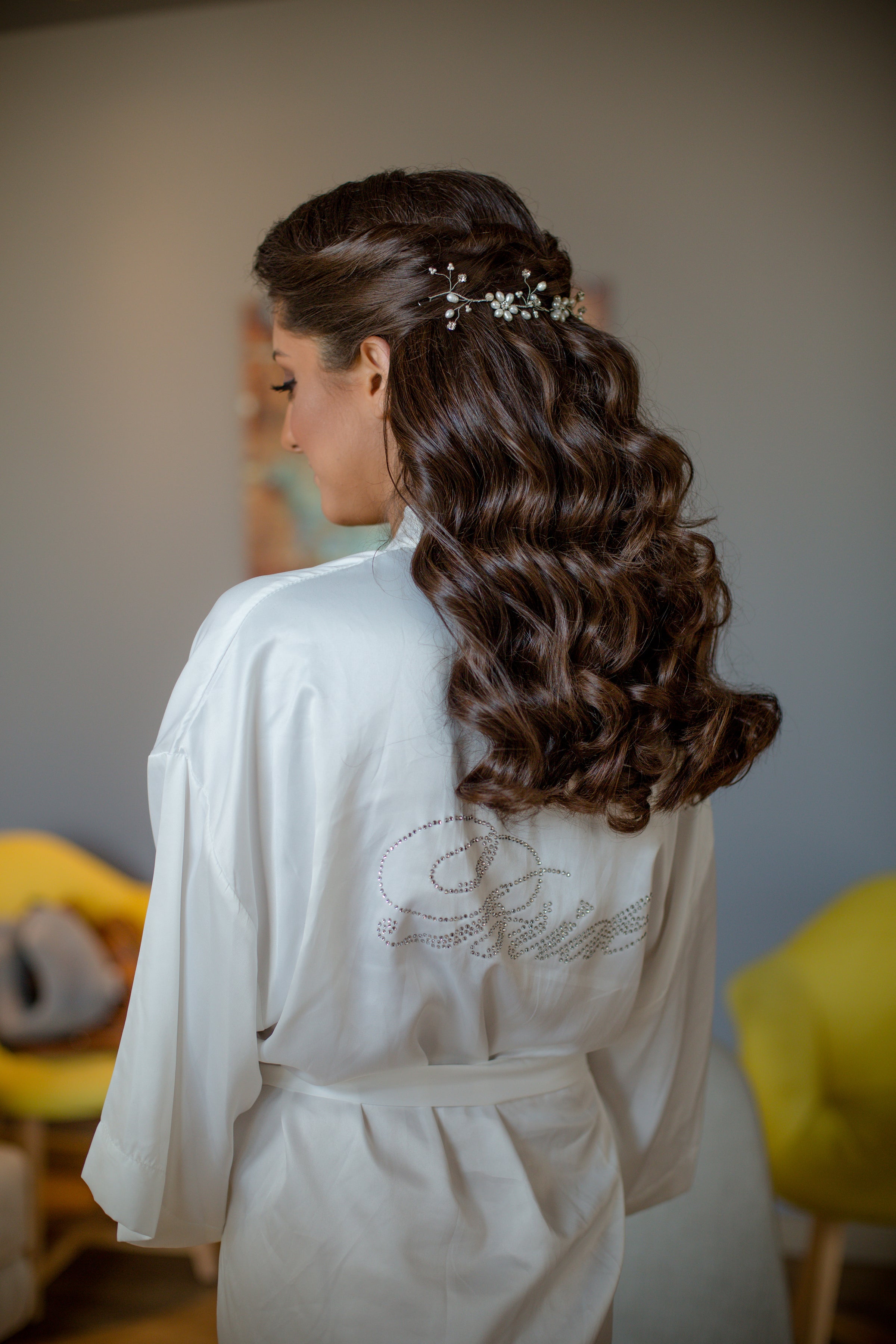

Ever wondered how are real hair wigs made to look so natural and flawless? Behind every premium human hair wig is a meticulous process — from sourcing 100% authentic hair strands to handcrafting each piece with precision and care. In this guide, WIGI Hair will take you through every stage of how real hair wigs are made, revealing the craftsmanship and dedication that make each strand come to life.

Before we dive into how real hair wigs are made, it’s worth understanding what makes them so unique — and why they stand apart from synthetic wigs. Real human hair wigs are prized for one key reason: they look, feel, and move just like your own hair. Every strand is real, collected from donors, and carefully preserved to maintain its natural texture, shine, and strength.
Unlike synthetic wigs that can appear stiff or overly glossy, human hair wigs can be washed, styled, curled, and straightened just like natural hair. They also last significantly longer — often 12 to 24 months or more with proper care. This makes them not just a beauty investment, but a long-term solution for those seeking authenticity and confidence in their look.
Another factor that makes real hair wigs so special lies in the craftsmanship behind them. Each wig is hand-tied, ventilated, and styled by skilled artisans, ensuring every strand flows naturally and complements the wearer’s features. From the way the hair is sourced to how it’s sewn into the cap, every step contributes to the realistic appearance that synthetic wigs can’t replicate.
So when you ask, “how are real hair wigs made?”, the answer begins with this: they’re made from genuine human hair — and built with precision, patience, and artistry to recreate nature’s beauty as closely as possible.
Every high-quality wig begins with ethically sourced, healthy human hair — collected from real donors around the world. The origin of the hair plays a major role in determining the wig’s texture, durability, and natural appearance.

Today’s leading wig manufacturers are increasingly focused on ethical and transparent sourcing. That means the hair is donated or sold voluntarily, with fair compensation to donors and full respect for local cultural practices.
Instead of mass cutting or unethical collection, reputable suppliers work with trusted partners — including salons, temples, and individual contributors — to ensure every strand is obtained responsibly. The goal is to maintain sustainability and traceability, so customers can feel confident that their wig supports both quality and integrity.
In premium production processes, each batch of hair is carefully cleaned, sorted, and treated to preserve its natural cuticle direction. This not only keeps the hair smooth and tangle-free but also enhances its shine and softness — a key factor in how real hair wigs achieve such a lifelike look.

To understand how real hair wigs are made, we need to look at where the hair actually comes from. Most high-quality real hair wigs are crafted from hair sourced in Vietnam, India, and Europe, each offering its own unique texture and strength.
Vietnamese Hair: Known for its silky texture, natural thickness, and long lifespan, Vietnamese hair is highly valued for premium wigs. It’s often collected from healthy donors with minimal chemical exposure, making it one of the purest hair types available.
Indian Hair: Sourced mainly from temple donations, Indian hair is naturally voluminous and slightly wavy, giving wigs a soft, bouncy appearance. Its versatility makes it ideal for both straight and textured styles.
European Hair: Typically finer and lighter in color, European hair is rare and luxurious, often used in custom-made wigs for clients seeking ultra-soft, natural movement.
Each origin brings something special — and together, they shape the diverse beauty of real hair wigs found on the market today. Understanding where the hair comes from is the first step toward appreciating the craftsmanship that transforms it into a stunning, wearable work of art.
Creating a real hair wig is a careful blend of craftsmanship, science, and artistry. Every strand is handled with precision to maintain its natural beauty, strength, and movement. Here’s a detailed look at how real hair wigs are made — from collection to the final styling process.

The journey begins with collecting 100% real human hair from trusted, ethical sources. Donors typically provide hair that is healthy, chemical-free, and with intact cuticles — essential for creating smooth, long-lasting wigs.
Once collected, the hair is meticulously sorted by length, texture, and color. Only uniform, aligned strands make it to the next stage. This step is crucial because mismatched or damaged hair can affect how the wig feels and behaves later on.
After sorting, the hair undergoes a deep cleaning and sanitization process. It’s washed in mild, non-toxic solutions to remove dust, oils, and impurities without stripping away its natural shine.
This step ensures that the hair is completely hygienic, soft, and ready for processing. For premium wigs, no harsh chemicals or synthetic coatings are used — preserving the natural texture that makes human hair wigs look and move so realistically.

To maintain a natural flow, the hair strands are aligned in the same direction — from root to tip. This alignment keeps the cuticles intact and prevents tangling or frizzing.
The aligned hair is then prepared differently depending on the wig construction type:
For machine-made wigs (full or partial caps): the hair is stitched or glued into wefts — long strips that will later be sewn onto the wig cap. This step requires extreme precision, as uneven alignment can affect the smoothness and longevity of the finished wig.
For lace, monofilament, or silk-based wigs (full or partial): instead of creating wefts, the individual hair strands are softened at the root and carefully prepared for hand-tying. This process keeps each strand flexible and natural-looking once it’s ventilated into the base in the next stage.
Maintaining Remy-quality alignment (cuticles facing one direction) is one of the most defining features of high-end human hair wigs.
Next, the wig base or cap is carefully constructed. Depending on the style, it may be made from lace, monofilament, silk, or a machined cap. Each serves a different purpose — while lace, mono, and silk materials are designed to mimic the look and feel of a real scalp, a machined cap provides structure and durability for full or partial wigs.
For lace, monofilament, or silk caps: skilled artisans hand-tie or ventilate each strand into the base one by one using a tiny hook. This delicate process can take dozens of hours but delivers an incredibly natural hairline and lifelike movement.
For machined caps: the previously made wefts are stitched onto the cap in precise, layered rows to create uniform volume and secure construction. This method ensures strength, consistency, and comfort during wear.
Lace front wigs, full lace wigs, and monofilament wigs each require different knotting techniques — but all share the same goal: a breathable, comfortable fit and realistic finish.
Read more: How to Know What Hair Length Suits You – Expert Tips for Every Face Shape

Before the wig is fully constructed, the hair is first dyed to achieve the desired color tone. Once colored, it’s either stitched into wefts (for machined-cap wigs) or softened at the roots for hand-tied techniques. Only then does the process move to attaching the hair to the base or cap — whether by sewing the wefts onto a machined cap or hand-ventilating individual strands into lace, monofilament, or silk materials.
After the wig is assembled, it enters the styling and finishing stage, where professionals cut, shape, and refine the final look — from sleek and straight to voluminous curls or soft, everyday layers.
After styling, every wig undergoes a strict quality inspection to ensure even density, consistent color, and secure construction. The final product is soft, lightweight, and ready to wear — a perfect blend of beauty, comfort, and craftsmanship.
Now that you understand how real hair wigs are made, the next step is choosing a brand that values the same quality, ethics, and craftsmanship behind every strand. Not all wigs are created equal — and finding one made from 100% ethically sourced, cuticle-aligned human hair can make all the difference in how natural, soft, and long-lasting your look will be.
At WIGI Hair, every wig begins with premium Vietnamese Remy hair, carefully selected and handcrafted to maintain its silky texture and healthy shine. Our artisans apply the same meticulous process you’ve just read about — from ethical hair collection to hand-tied lace construction — to create wigs that move and feel just like real hair.

Whether you love sleek bobs, layered cuts, or natural waves, WIGI’s collection offers diverse styles to suit your face shape, lifestyle, and confidence. Each piece is designed for comfort, realism, and effortless beauty — so you can enjoy the freedom to express yourself every day. Explore WIGI Hair’s full collection of 100% human hair wigs and experience how true craftsmanship transforms more than just your style — it elevates your entire look.
Understanding how real hair wigs are made gives you a deeper appreciation for the artistry and precision behind every strand. From ethical sourcing and meticulous handcrafting to the final styling touches, each step reflects hours of skill and care — all to ensure your wig looks, feels, and moves just like real hair. Choosing a 100% human hair wig means investing in beauty that’s both authentic and enduring. When you select a trusted brand like WIGI Hair, you’re not just buying a wig — you’re embracing a piece of craftsmanship rooted in quality, sustainability, and confidence.


Dejar un comentario