EXTENSIONES DE CABELLO WIGI
EXTENSIONES DE CABELLO WIGI
Trae BELLEZA a tu vida


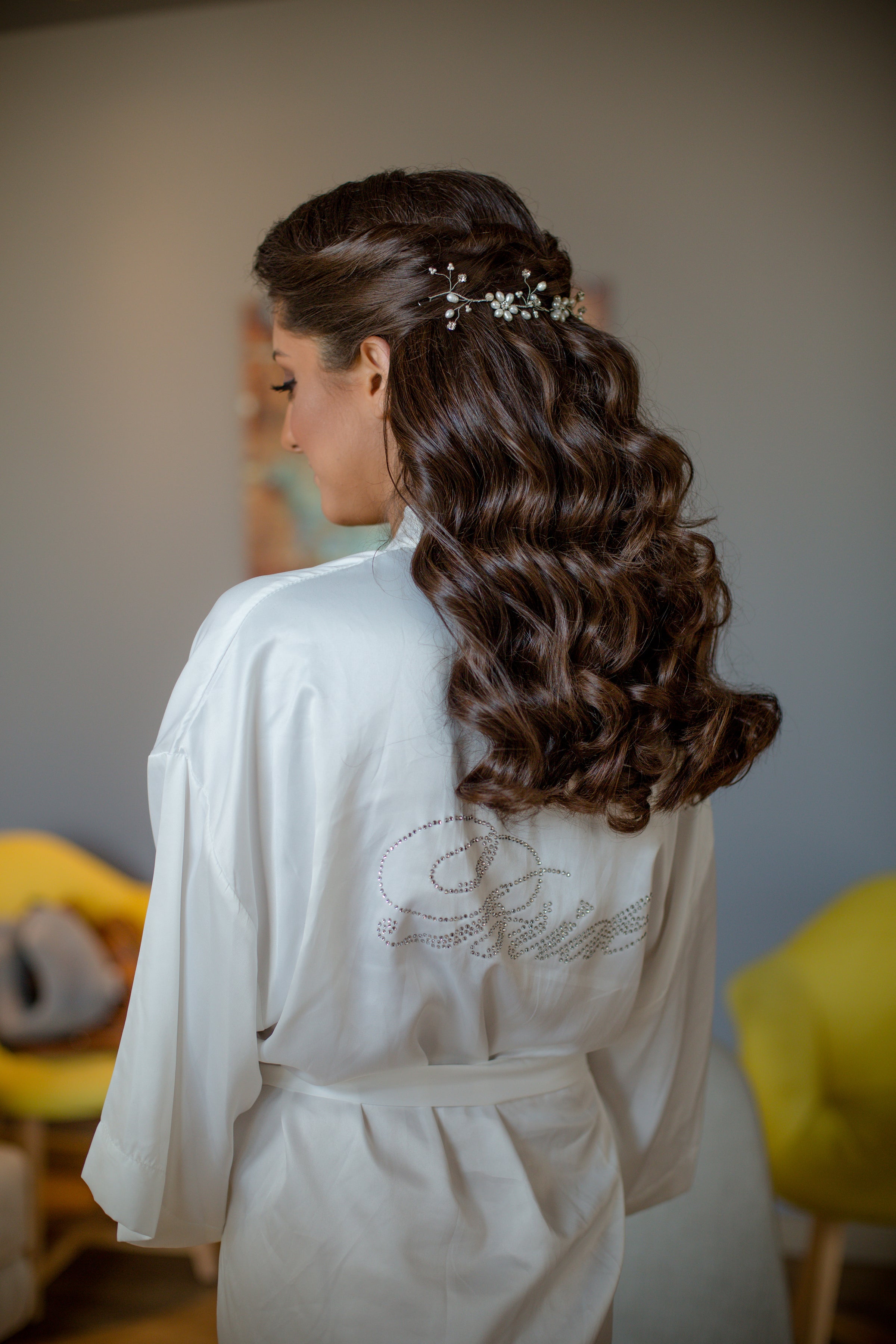

Wigs have become an increasingly popular beauty and lifestyle solution, offering instant style changes, confidence, and convenience. However, many people still worry about one important question: Do wigs cause hair loss? The truth is more nuanced than a simple yes or no.
While wearing wigs does not directly cause hair loss, improper use, poor hygiene, or ill-fitting wigs can contribute to scalp problems and hair damage. In this article, we uncover the facts behind wearing wigs, clarify common misconceptions, and explain how to enjoy wigs safely without compromising your natural hair health.

Wigs are no longer a niche accessory. Today, they are a mainstream beauty and lifestyle choice for millions of people worldwide—used for fashion, convenience, medical reasons, or personal expression. Despite their popularity, one concern continues to surface repeatedly: Do wigs cause hair loss?
The short answer is no—wearing wigs does not inherently cause hair loss. However, the long answer is more complex and worth understanding. Hair loss associated with wigs is rarely caused by the wig itself, but rather by how the wig is worn, how often, and how well the natural hair and scalp are cared for.
While wigs do not directly damage hair follicles, certain practices can disrupt the scalp environment or place excessive stress on hair strands. Below are the five most common—and often misunderstood—reasons wigs may contribute to hair problems.
One of the most clinically recognized risks associated with wigs is traction alopecia, a form of hair loss caused by prolonged or repetitive tension on the hair shaft.
This typically occurs when:
Wig caps are too tight
Adhesives are applied aggressively along the hairline
Elastic bands or combs pull repeatedly on the same areas

Over time, constant tension can inflame hair follicles, weaken the anchoring structure of the hair shaft, and eventually cause follicles to miniaturize. The most affected areas are usually the temples, edges, and nape, where hair is naturally finer and more fragile.
Importantly, traction alopecia is preventable and reversible in early stages. However, if tension continues for months or years, follicle damage may become permanent.

A healthy scalp is essential for healthy hair growth. Wearing wigs for extended periods without proper scalp care can disrupt this balance.
When the scalp is covered for long hours:
Sweat and sebum accumulate
Dead skin cells are trapped
Bacteria and yeast may proliferate
This environment can lead to conditions such as folliculitis, seborrheic dermatitis, or chronic scalp inflammation. While these conditions do not directly “kill” hair follicles, ongoing inflammation can impair normal hair cycling and contribute to increased shedding.
Many wig wearers mistakenly wash their wigs regularly but neglect their natural scalp, assuming protection alone is sufficient. In reality, scalp care is even more critical when wearing wigs frequently.

Hair follicles are biologically active structures that require oxygen, blood flow, and a balanced microenvironment to function optimally.
Wearing wigs continuously—especially dense, non-breathable designs—can:
Reduce air circulation
Increase scalp temperature
Interfere with moisture regulation
While hair follicles do not “breathe” in the traditional sense, prolonged occlusion can affect scalp health and indirectly disrupt the anagen (growth) phase of the hair cycle. This may lead to telogen effluvium, a condition characterized by diffuse, temporary hair shedding triggered by physiological stress.
This is particularly relevant for individuals who wear wigs daily without giving the scalp regular breaks.

Hair underneath a wig is vulnerable to mechanical stress, especially when not properly prepared.
Common issues include:
Loose hair rubbing against wig caps
Rough or synthetic materials causing friction
Hair being pulled during wig removal
Over time, repeated friction weakens the hair cuticle, leading to breakage rather than true hair loss. This distinction is important: many people believe their hair is “falling out,” when in fact it is breaking due to physical damage.
Protective styling beneath wigs—such as low-tension braids or flat twists—can dramatically reduce this risk when done correctly.
Maybe you want to read: Best Wigs for Women with Thin Hair: Natural Volume
Not all wigs are created equal. Poorly constructed wigs or low-grade synthetic fibers can negatively impact both hair and scalp health.
Potential issues include:
Stiff fibers causing friction
Poor ventilation leading to heat buildup
Chemical residues irritating the scalp
In contrast, high-quality human hair wigs or premium synthetic wigs with breathable caps are designed to minimize these risks. The difference is not cosmetic—it is structural and biological.
Wigs can be worn safely and comfortably for years without causing hair loss—when best practices are consistently followed.

A secure wig should feel stable—not restrictive. Excessive tightness is never necessary and often harmful.
Key considerations:
Measure head circumference accurately
Avoid over-tightening adjustable straps
Ensure even pressure distribution across the scalp
A properly fitted wig should allow you to move naturally without causing scalp discomfort or localized tension.

The goal of hair preparation is protection, not compression.
Best practices include:
Gently detangle before styling
Use low-tension braids or twists
Hair should lie flat, but never feel sore or strained. Pain is an early warning sign of follicular stress.
Scalp care should remain a non-negotiable routine.
Cleanse the scalp every 7–10 days (or more often if sweating heavily)
Use lightweight, non-comedogenic oils or serums
Massage the scalp to promote blood circulation
Healthy follicles are resilient follicles—even under wigs.
Even the best wig should not be worn 24/7. Taking breaks helps reduce inflammation, restore moisture balance, and support your natural hair growth cycle.
Removing wigs at night, when possible, significantly lowers long-term risk.

When wigs are worn frequently, material quality matters.
Look for features such as:
Breathable lace or monofilament caps
Lightweight construction
Smooth interior linings
Human hair wigs often provide superior airflow and flexibility, though high-end synthetic wigs can also be safe when well-designed.
Read related article: How Are Real Hair Wigs Made: The Full Process Explained
Q1: Do wigs damage your hair?
Wigs do not damage your hair by themselves. Hair damage usually happens due to tight wigs, excessive friction, poor scalp care, or improper use of adhesives. When worn correctly and paired with healthy hair practices, wigs can actually help protect your natural hair.
Q2: What happens if you wear a wig every day?
Wearing a wig every day can be safe, but only if your scalp and hair are properly cared for. Without regular breaks, proper cleansing, and breathable wig caps, daily wig use may lead to scalp irritation, hair breakage, or thinning edges over time.
Q3: What are the side effects of wearing a wig?
Possible side effects include scalp itchiness, sweating, dryness, tension on the hairline, and in some cases traction alopecia. These issues are usually preventable with the right wig size, proper fit, and good scalp hygiene.
Q4: What is the Big 3 for hair loss?
The “Big 3” for hair loss typically refers to minoxidil, finasteride, and ketoconazole shampoo. These treatments are commonly used to slow hair loss and promote hair growth, especially for androgenetic alopecia, under medical guidance.
Q5: Does wearing wigs stop your hair from growing?
No, wearing wigs does not stop hair growth. Hair continues to grow underneath a wig as long as the scalp remains healthy. Problems only arise when wigs are worn too tightly, without breaks, or without proper hair and scalp care.
Wigs do not directly cause hair loss, but improper use can lead to preventable hair and scalp issues over time. Factors such as excessive tension, poor hygiene, lack of scalp breaks, and low-quality materials are often the real contributors to damage. By choosing well-designed wigs, maintaining healthy scalp habits, and wearing wigs mindfully, you can protect your natural hair while enjoying the flexibility and confidence that wigs provide.

For those seeking realistic appearance, comfort, and long-term wearability, WIGI Hair’s 100% human hair wigs are designed to meet the highest standards of quality and scalp health. Crafted from premium human hair and engineered with breathable, lightweight caps, each wig offers natural movement, styling versatility, and all-day comfort. Explore WIGI’s premium collection of human hair wigs and discover styles that enhance your look while supporting healthy hair underneath—so you can wear wigs with confidence, not concern.


Dejar un comentario